South Africa Fuel Levy Cut: Relief or Empty Promise? Analysis & Future Outlook
South Africa's temporary fuel levy cut offers some relief, but rising diesel and paraffin prices still pose a significant challenge for workers and the economy. Expert analysis and future outlook included.
South Africa's Fuel Levy Cut: A Band-Aid on a Bigger Wound?
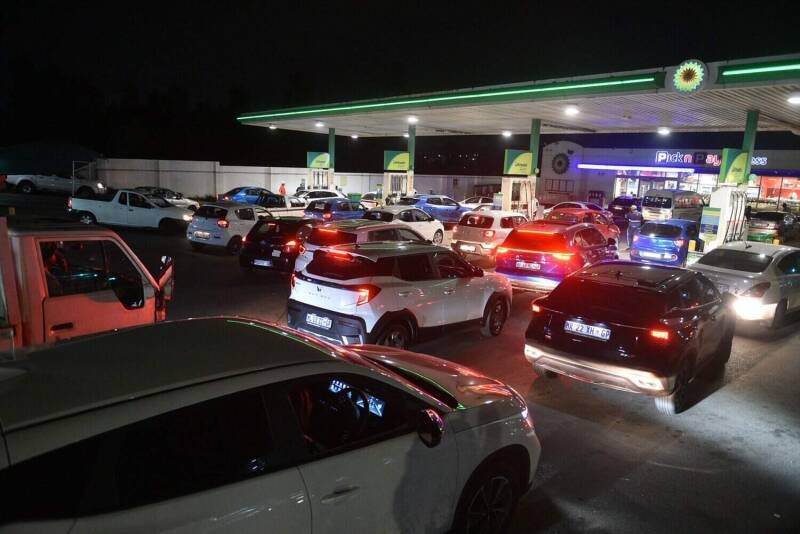
The South African government recently implemented a temporary cut to the fuel levy, offering some respite to consumers grappling with soaring fuel prices. This move comes as inflation continues to bite, driven largely by the global surge in energy costs. But is this cut enough to truly alleviate the financial strain on ordinary South Africans, especially the working class?
The Government's Action: A Brief Overview
The fuel levy cut, intended to cushion the blow of rising international oil prices, has provided a temporary reduction at the pumps. For a limited time, motorists are paying less per liter of petrol than they would have otherwise. The government hopes this will ease pressure on household budgets and prevent further economic slowdown.
Why This News Matters
The price of fuel has a ripple effect throughout the economy. Higher fuel costs translate directly into higher transportation costs for goods and services. This, in turn, leads to higher prices for everything from groceries to consumer electronics. For low-income households, fuel costs represent a significant portion of their monthly expenses. Any increase in fuel prices can push them further into poverty. Furthermore, the transportation of goods impacts supply chains and access to essential needs. The knock-on effect can be widespread.
Our Analysis
While the fuel levy cut is a welcome gesture, it doesn't address the underlying issues driving fuel price increases. The global price of oil is influenced by a complex interplay of factors, including geopolitical tensions, supply constraints, and rising demand. South Africa, as a net importer of oil, is particularly vulnerable to these fluctuations.
In our opinion, the government's response, while well-intentioned, is ultimately a short-term fix. A more sustainable solution requires a comprehensive strategy that addresses energy security, diversification of energy sources, and measures to mitigate the impact of global oil price volatility on the South African economy. The cut fails to address rising diesel and paraffin prices. This could impact the costs for essential services and necessities.
The Union's Concerns: Diesel and Paraffin Pains
Unions have voiced strong concerns that the fuel levy cut primarily benefits petrol users, while doing little to address the rising costs of diesel and paraffin. Diesel is the lifeblood of the transportation industry, powering trucks that transport goods across the country. Higher diesel prices will inevitably lead to higher transportation costs, which will be passed on to consumers in the form of higher prices for goods and services.
Paraffin, on the other hand, is a crucial energy source for many low-income households, particularly for cooking and heating. Rising paraffin prices disproportionately impact the poor, forcing them to choose between essential needs. Unions argue that the government needs to take more targeted action to address the rising costs of diesel and paraffin.
Future Outlook
The future outlook for fuel prices remains uncertain. Global oil markets are volatile, and geopolitical tensions could further exacerbate price fluctuations. Moreover, the temporary nature of the fuel levy cut means that consumers will eventually face higher fuel prices again.
To mitigate the impact of future fuel price increases, the South African government needs to explore a range of policy options, including:
- Investing in renewable energy sources to reduce reliance on imported oil.
- Improving energy efficiency to reduce overall energy consumption.
- Providing targeted subsidies to low-income households to help them cope with rising energy costs.
- Negotiating favorable trade agreements with oil-producing countries.
These are proactive approaches that go further than a temporary tax break and would have a lasting impact.
Ultimately, addressing the challenge of rising fuel prices requires a long-term, sustainable strategy that takes into account the needs of all South Africans. Without such a strategy, the country risks further economic instability and social unrest. This could impact the future stability of the country.