Sea Lion Rescue: Understanding the Challenges Facing Marine Wildlife
A sea lion was rescued in critical condition from Vancouver Island. We analyze the rescue, its implications, and the future outlook for marine wildlife in the area.
Sea Lion in Critical Condition Rescued from Vancouver Island
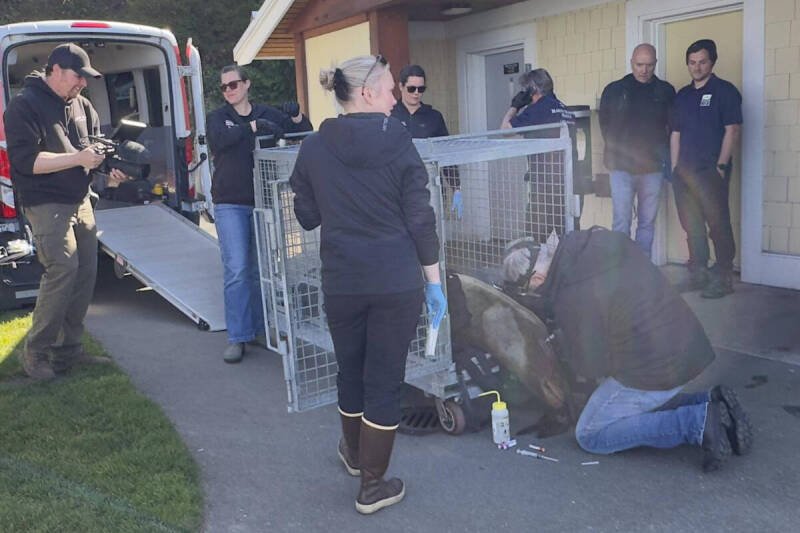
A sea lion, reported to be in critical condition, was recently rescued from the waterfront of Vancouver Island. The Vancouver Aquarium Marine Animal Rescue Society (VAMARS) responded to the call and is now providing intensive care to the animal.
The Rescue Operation
The rescue operation was initiated after concerned citizens reported the distressed sea lion. VAMARS immediately dispatched a team to assess the situation and, given the severity of the animal's condition, decided to bring it back to their facility for specialized treatment. The precise location of the rescue on Vancouver Island wasn't specified in the initial report, however, resources are stretched over a wide geographical area so swift action is commendable.
Suspected Traumatic Injury
According to VAMARS, the sea lion is suspected to have suffered a "traumatic injury." While the exact nature of the injury remains undisclosed, it's likely the result of a collision with a vessel, entanglement in fishing gear, or potentially an attack by another marine animal. A full veterinary assessment will be required to determine the extent of the damage.
Why This News Matters
This sea lion rescue highlights the ongoing challenges faced by marine wildlife in coastal areas. Human activities, such as boating, fishing, and pollution, can significantly impact marine ecosystems and lead to injuries or death for animals like sea lions. This single incident serves as a reminder of the broader issues affecting ocean health and the need for increased conservation efforts. The health of marine animals is a direct reflection of the health of our oceans, and this event demonstrates that.
Our Analysis
In our opinion, the prompt response of VAMARS is crucial in giving this sea lion a fighting chance. However, reactive measures alone aren't enough. We need to address the root causes of these incidents. Increased awareness among boaters and fishermen, stricter regulations on fishing gear, and proactive efforts to reduce marine pollution are essential to protecting marine wildlife.
The “traumatic injury” is concerning. Without knowing the exact cause, we can only speculate, but it underscores the vulnerability of these animals to human activities. Collisions with boats are unfortunately common, and entanglement in discarded fishing gear is a major threat.
The Importance of Conservation Efforts
Organizations like VAMARS play a vital role in rescuing and rehabilitating injured marine animals. Their work provides critical care and, when possible, returns these animals to their natural habitat. Their efforts also raise awareness about the challenges facing marine wildlife and inspire action to protect our oceans.
Future Outlook
The future for this rescued sea lion remains uncertain. The severity of the "traumatic injury" will determine its chances of recovery. Even if the sea lion recovers, there's always a risk of long-term health problems stemming from the injury.
Looking ahead, this incident serves as a call to action. We need to prioritize marine conservation efforts and work together to create a safer environment for marine wildlife. This includes supporting organizations like VAMARS, advocating for stricter regulations on human activities that impact marine ecosystems, and educating the public about the importance of ocean health.
Potential Impacts
This could impact local tourism and recreation if marine wildlife continues to be threatened. A healthy marine ecosystem is essential for a thriving coastal economy. Furthermore, it could lead to increased funding and resources for marine animal rescue organizations, as the public becomes more aware of the challenges these animals face.
Long-Term Solutions
Long-term solutions require a collaborative effort involving government agencies, conservation organizations, and the public. This includes implementing marine protected areas, promoting sustainable fishing practices, reducing plastic pollution, and addressing climate change, which poses a significant threat to marine ecosystems.