Saanich Dog Owners Frustrated by Increased Funding for PKOLS Fencing: What You Need to Know
Saanich council approves more funding for fencing at PKOLS (Mount Douglas Park), sparking outrage among dog owners. Learn why this matters and what the future holds.
Saanich Dog Group Angered by Increased Funding for PKOLS Fencing
The District of Saanich is facing renewed controversy over its handling of leash-optional areas in PKOLS (Mount Douglas Park). Saanich council recently approved an additional $244,000 to fence the leash-optional trails within the park, a decision that has ignited strong opposition from local dog owners.
Background: PKOLS and Leash-Optional Areas
PKOLS, also known as Mount Douglas Park, is a popular recreational area in Saanich, British Columbia. It offers hiking trails, beaches, and stunning views. A portion of the park has traditionally been designated as leash-optional, allowing dog owners to let their dogs roam freely under responsible supervision.
However, this arrangement has been a source of ongoing debate. Concerns have been raised about the impact of off-leash dogs on wildlife, park users who are uncomfortable around dogs, and the overall environmental health of the area.
The New Fencing Project
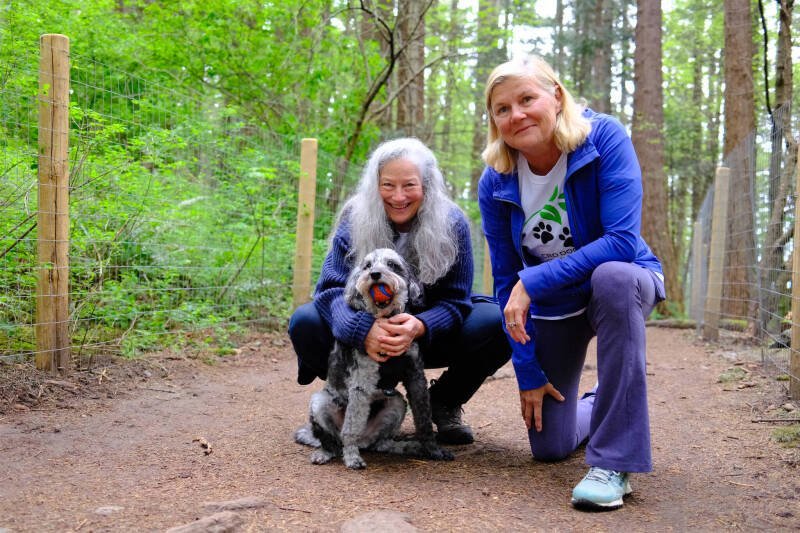
The approved funding is intended to expand and improve fencing along the boundaries of the leash-optional trails. The stated purpose is to better define the off-leash areas, protect sensitive ecosystems, and reduce conflicts between dog owners and other park users. Saanich council argues this is an important step towards responsible park management.
While the council claims these fences are for the betterment of PKOLS, Dog owners say that the addition of fences will reduce space, limit access, and not effectively protect the environment.
Why This News Matters
This seemingly local issue has broader implications. It highlights the challenges of balancing the needs of different user groups within shared public spaces. It also raises questions about how local governments make decisions regarding park management and whether they adequately consider the perspectives of all stakeholders.
This is a conflict between dog owners, local wildlife protection, and the safety of individuals who might be scared of dogs. The implications of the issue will effect everyone that uses the park.
Our Analysis
In our opinion, the Saanich council's decision, while perhaps well-intentioned, appears to lack sufficient community consultation. The strong reaction from the dog owner community suggests a breakdown in communication and a failure to adequately address their concerns. It also demonstrates the importance of clearly defined, reasonable, and enforceable leash laws.
It's understandable that the council wants to protect the park's environment and ensure the safety of all users. However, simply erecting more fences may not be the most effective or equitable solution. A more comprehensive approach, involving education, enhanced enforcement of existing rules, and collaborative problem-solving, might be more beneficial in the long run.
We also believe that the specific rationale behind the fencing project needs to be more transparent. What data supports the claim that fencing will significantly reduce environmental damage or conflicts? Without clear evidence, the project appears to be driven more by perception than by concrete needs.
Future Outlook
The controversy surrounding the PKOLS fencing project is unlikely to disappear quickly. We anticipate that dog owner groups will continue to advocate for a more inclusive and collaborative approach to park management.
This could impact future park planning decisions in Saanich and potentially serve as a cautionary tale for other municipalities facing similar challenges. The key takeaway is the importance of engaging with all stakeholders, conducting thorough assessments, and developing solutions that are both effective and equitable.
Here are some potential future developments:
- Increased dialogue between Saanich council and dog owner groups.
- The development of alternative park management strategies that do not rely solely on fencing.
- A review of existing leash laws and enforcement practices.
- Potential legal challenges to the fencing project.
Ultimately, the future of PKOLS depends on the ability of all stakeholders to work together to find common ground and create a park that can be enjoyed by everyone.