Republic of Ireland Fuel Duty Cuts: Impact on Northern Ireland and Drivers
The Republic of Ireland's fuel duty cuts are creating a price advantage, impacting Northern Ireland drivers and economy. Analysis of potential future effects.
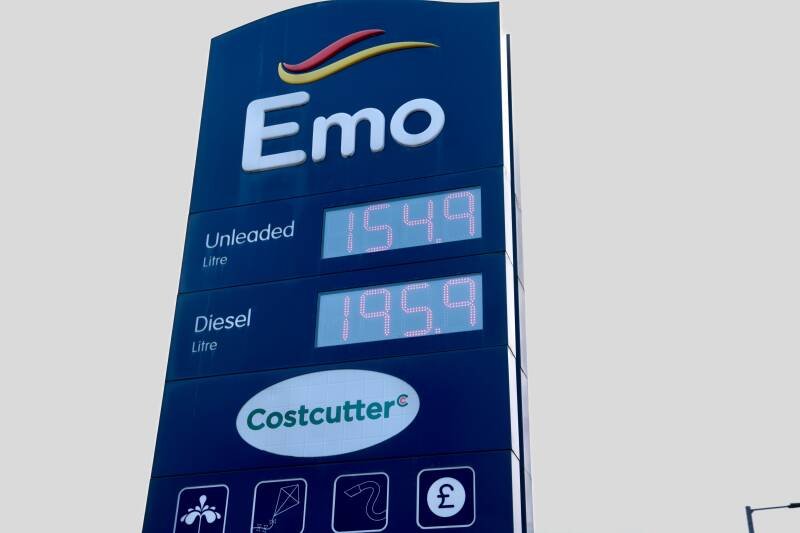



The Republic of Ireland's fuel duty cuts are creating a price advantage, impacting Northern Ireland drivers and economy. Analysis of potential future effects.
The Republic of Ireland has implemented significant fuel duty cuts, making petrol and diesel cheaper for its citizens. This move, enacted twice in recent weeks, is creating a growing price disparity with Northern Ireland, where the devolved government (Stormont) lacks the authority to respond with similar tax reductions.
The Republic's government has actively intervened to ease the burden of rising fuel costs on its citizens. This intervention involves reducing the amount of tax applied to each liter of petrol and diesel sold. With these cuts now in effect, drivers in the Republic are experiencing noticeable savings at the pump.
Northern Ireland, however, finds itself in a different position. Due to the existing political structures, Stormont does not have the power to independently adjust fuel duty rates. This leaves Northern Ireland unable to match the Republic's tax cuts, resulting in higher fuel prices for its residents.
This situation has several important implications:
The Republic of Ireland's fuel duty cuts are a direct response to the rising cost of living and inflationary pressures. Governments across Europe are grappling with similar challenges, and many are considering or implementing similar measures to alleviate the financial strain on their citizens.
However, the specific context of Northern Ireland, with its unique political and economic relationship with the Republic, complicates the situation. The lack of devolved powers to adjust fuel duty puts Northern Ireland at a disadvantage and could exacerbate existing economic challenges.
We believe that the long-term solution likely involves either a change in the devolved powers of Stormont or some form of coordinated action between the UK and Irish governments to address the issue of fuel price disparity.
The future impact of the Republic's fuel duty cuts will depend on several factors, including:
This could impact fuel retailers in Northern Ireland signficantly, particularly those near the border. They may need to explore alternative strategies to remain competitive.
In the long term, the situation underscores the need for greater fiscal flexibility for Northern Ireland to address its unique economic challenges and to ensure fairness for its citizens. The current situation has shined a spotlight on the economic ties between the North and the South.