Power Outage Crisis in MP: Farmers Struggle as Electricity Poles Remain Unrepaired
Farmers in Madhya Pradesh face a week-long power outage due to unrepaired electricity poles. Learn how this impacts their livelihoods, potential solutions, and future implications.
Power Outage Crisis Grips Farmers in Madhya Pradesh
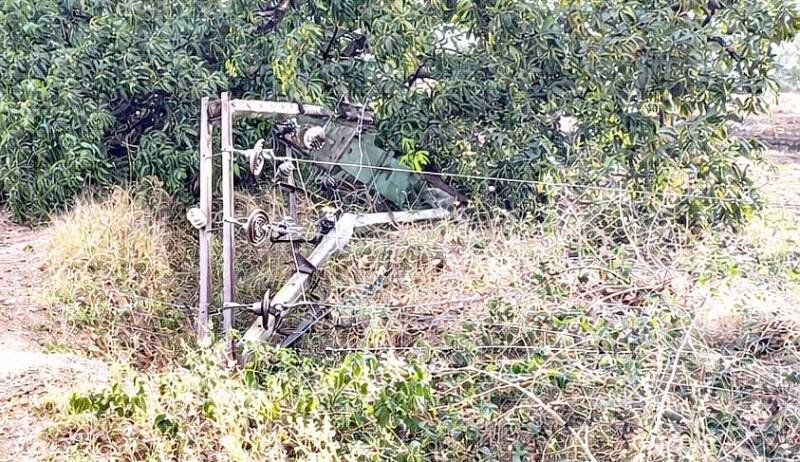
Farmers in a region of Madhya Pradesh are facing a severe crisis: a seven-day power outage caused by damaged and unrepaired electricity poles. This prolonged disruption is significantly impacting their ability to irrigate crops and maintain their livelihoods.
Farmers' Pleas Go Unheard
According to reports, villagers have repeatedly contacted the local office of the MP Western Region Power Distribution Company, the organization responsible for electricity distribution in the area. Unfortunately, their appeals have been met with promises, but no concrete action. The reason cited by the company is a lack of available replacement poles.
Financial Burden Increases
Desperate to save their crops, many farmers are resorting to expensive alternatives like diesel-powered pumps. This adds a significant financial burden, especially when considering already tight margins and the challenges facing the agricultural sector.
Why This News Matters
This situation highlights a critical vulnerability in rural infrastructure. Reliable electricity is essential for modern agriculture, and when it fails, the consequences for farmers and the broader economy can be devastating. It also underscores the importance of efficient and responsive public services.
This is not just a local issue. Similar situations could be occurring in other rural areas with aging or inadequate power infrastructure. The lack of timely repairs demonstrates a breakdown in the supply chain and responsiveness of the electricity provider.
Our Analysis
In our opinion, the MP Western Region Power Distribution Company has a responsibility to prioritize the repair of these damaged poles. The delay in providing replacement poles is unacceptable and points to potential inefficiencies in their supply chain management and resource allocation. Perhaps preventative maintenance programs are underfunded or understaffed.
The fact that farmers are forced to rely on costly alternatives like diesel pumps suggests a lack of contingency planning. What happens when fuel prices spike, or fuel becomes unavailable? This reliance creates a precarious situation.
Potential Contributing Factors:
- Aging Infrastructure: The electricity poles may be old and susceptible to damage from weather or accidents.
- Lack of Maintenance: Regular inspections and preventative maintenance could prevent these issues from escalating.
- Inefficient Bureaucracy: Delays in procuring replacement poles could be due to bureaucratic red tape.
- Resource Constraints: The power distribution company may be facing financial or logistical challenges.
Future Outlook
The immediate priority should be to restore power to the affected farmers. This requires the MP Western Region Power Distribution Company to expedite the delivery and installation of replacement poles.
Looking ahead, a comprehensive review of the power infrastructure in rural areas is needed. This should include assessments of the condition of existing poles, the effectiveness of maintenance programs, and the responsiveness of the power distribution company to farmer's concerns.
This could impact agricultural output in the region if the power outage persists. Reduced crop yields could lead to higher food prices and economic hardship for farmers and consumers alike.
Recommendations:
- Invest in Infrastructure Upgrades: Replace aging poles with more durable materials.
- Improve Maintenance Programs: Implement regular inspections and preventative maintenance.
- Streamline Procurement Processes: Reduce bureaucratic delays in acquiring replacement parts.
- Develop Contingency Plans: Create backup power solutions for critical agricultural needs.
- Improve Communication: Enhance communication between the power company and farmers.
Ultimately, ensuring a reliable power supply to rural areas is essential for supporting agriculture, promoting economic development, and improving the quality of life for farmers in Madhya Pradesh. This incident should serve as a wake-up call to address systemic issues within the power distribution network. The farmers' livelihoods depend on it.