Pope's Stance on Hezbollah Attacks: Examining the Controversy
Examining claims that Pope Leo is ignoring Hezbollah attacks on Israel. Analysis of potential motivations, impact on interfaith relations, and future outlook for peace efforts.
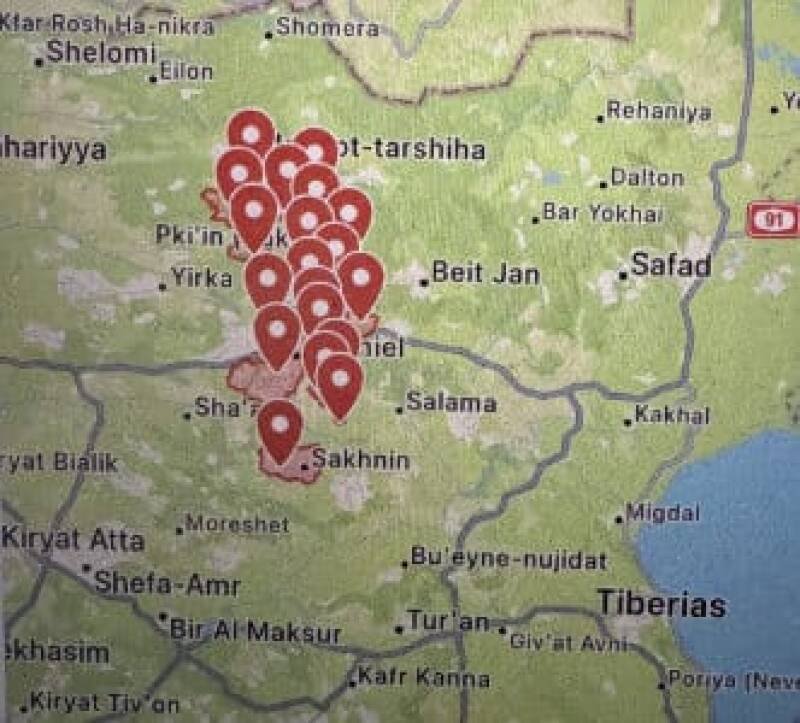



Examining claims that Pope Leo is ignoring Hezbollah attacks on Israel. Analysis of potential motivations, impact on interfaith relations, and future outlook for peace efforts.
Recently, criticisms have surfaced questioning Pope Leo's perceived silence regarding Hezbollah's attacks on Israel from Southern Lebanon. Accusations suggest a bias, implying that the Pope focuses more on Israeli actions than on Hezbollah's provocations.
The core argument centers on the perception that Pope Leo and some media outlets are primarily calling on Israel to cease its military response in Southern Lebanon, while seemingly overlooking the initial attacks by Hezbollah. This has led to accusations of unfairness and a perceived double standard.
Critics argue that a balanced approach would necessitate condemning both the attacks by Hezbollah and urging restraint in Israel's response. The perceived lack of condemnation for Hezbollah's actions is fueling the controversy.
The Pope's pronouncements, or lack thereof, carry significant weight on the international stage, especially concerning conflict resolution. His stance on the Israel-Lebanon situation can influence global opinion, impact diplomatic efforts, and potentially affect the delicate balance of power in the region.
Furthermore, the controversy highlights the complex dynamics of interfaith relations. The Pope's efforts to foster dialogue between Christianity and Islam are under scrutiny, with questions arising about the feasibility of such initiatives in the face of radical elements. A perceived bias could damage trust and hinder future interfaith collaborations. In our opinion, the Pope's words should aim for neutrality.
It's crucial to examine the Pope's statements and actions within the broader context of Vatican diplomacy. The Catholic Church often prioritizes humanitarian concerns and calls for de-escalation in conflict zones. This may explain the emphasis on urging Israel to halt its bombing campaigns, regardless of the instigating factors. Sometimes, the focus on stopping the immediate bloodshed takes precedence over assigning blame. He may see the role of his office as focused on the suffering that is occurring, rather than the politics that caused it.
However, the perception of bias is damaging. It's essential for the Vatican to clarify its position and address concerns about its neutrality. Failure to do so risks undermining its credibility as a mediator and peace broker. This could impact the Church's effectiveness in future conflict resolution efforts. The Church might need to be more proactive to ensure neutrality.
The claim that "radical Islam would never allow" unity between Islam and Christianity is a generalization. While extremist groups do exist, many Muslims actively engage in interfaith dialogue and seek peaceful coexistence. Oversimplifying the issue can be detrimental to fostering understanding and collaboration.
Moving forward, the Vatican must carefully consider the implications of its statements on the Israel-Lebanon conflict. A more balanced approach, explicitly condemning violence from all sides, would help mitigate accusations of bias and strengthen its position as a neutral mediator.
Several possible scenarios could unfold:
Ultimately, the Pope's ability to influence the situation will depend on his ability to navigate the complex political and religious landscape with sensitivity and impartiality. This could make a significant difference in the future.
























