Germany's 50+1 Rule: Democratizing Football and Its Global Implications
Explore Germany's unique 50+1 rule in football, its impact on club ownership, and lessons for the global sport. Discover our analysis, future outlook, and why this matters.
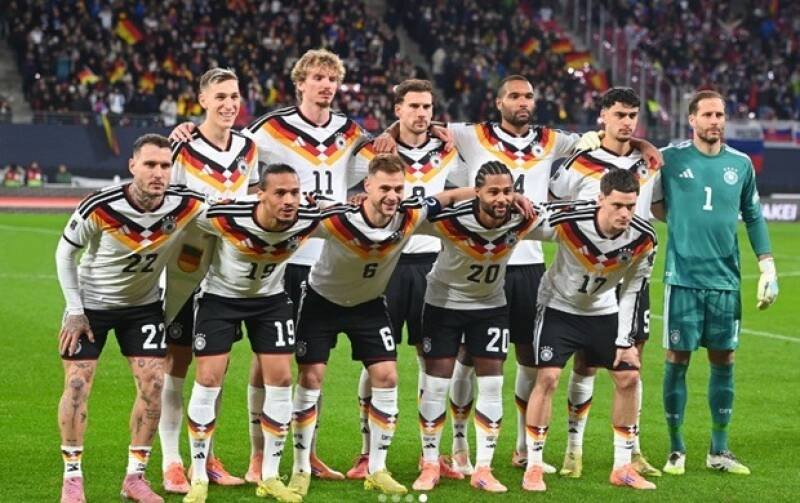



Explore Germany's unique 50+1 rule in football, its impact on club ownership, and lessons for the global sport. Discover our analysis, future outlook, and why this matters.
German football is unique. Unlike many leagues dominated by billionaire owners and corporate interests, Germany's Bundesliga operates under the "50+1 rule." This rule, designed to give fans a significant voice in how their clubs are run, is drawing increasing attention as concerns about the commercialization of football intensify globally. Let's delve into what this rule is, how it works, and why it's important.
The 50+1 rule essentially states that a club's members (primarily the fans) must hold a majority voting right in the club. This means that even if an investor owns a significant stake, they cannot have the final say on key decisions. The "plus 1" ensures that the members always have the deciding vote. This protects clubs from being taken over and run solely for profit, prioritizing fan interests and the long-term health of the club.
In practice, this means the club's members—usually the fans themselves— collectively own 50% of the voting rights, plus one additional vote. This prevents any single investor or corporation from gaining complete control and dictating the club's direction. This is a marked contrast to leagues like the English Premier League, where wealthy individuals or groups can acquire and run clubs as they see fit.
While the 50+1 rule is generally strict, there are some exceptions. For instance, clubs that have been significantly supported by a single entity for more than 20 years can apply for an exemption. This is how clubs like Bayer Leverkusen (backed by pharmaceutical company Bayer) and VfL Wolfsburg (owned by Volkswagen) operate.
The 50+1 rule is becoming increasingly relevant as football becomes increasingly commercialized. Many fans feel that the soul of the game is being eroded by unchecked investment and profit-driven motives. The German model offers a potential solution, ensuring that fans have a genuine stake in their clubs' future.
The rule highlights a fundamental question: who should control football clubs? Should it be wealthy individuals looking for a return on investment, or should it be the fans who are the lifeblood of the sport? The German approach attempts to strike a balance, ensuring that investment is welcome but not at the expense of the club's identity and traditions.
In our opinion, the 50+1 rule is a commendable attempt to democratize football and protect the interests of fans. It promotes financial stability by preventing clubs from overspending on players and encourages long-term planning rather than short-term gains. It also fosters a strong sense of community and belonging among fans, who feel they have a genuine voice in how their club is run.
However, the rule is not without its critics. Some argue that it hinders German clubs' ability to compete financially with clubs in other leagues that have no such restrictions. They claim that the lack of unrestricted investment limits the growth potential of Bundesliga clubs. This could impact their ability to attract top players and compete in European competitions.
The debate surrounding the 50+1 rule is likely to continue as football evolves. Other leagues may consider adopting similar models to address concerns about commercialization and fan representation. However, implementing such a rule in established leagues with existing ownership structures could be a significant challenge.
We believe that the German model offers valuable lessons for the global football community. It demonstrates that it is possible to balance financial sustainability with fan participation and preserve the unique culture and identity of football clubs. Whether other leagues will follow suit remains to be seen, but the German experiment is certainly worth watching.
Even if other leagues don't fully adopt the 50+1 rule, they might implement modified versions. For instance, they could introduce regulations that require clubs to consult with fan groups on key decisions or reserve a certain percentage of shares for fan ownership. These steps, while not as comprehensive as the German model, could still provide fans with a greater voice and protect the long-term interests of their clubs.