Pope Criticizes World Leaders: Tyranny and the Cost of War
Pope Leo XIV condemns world leaders spending billions on war while the world suffers. An analysis of the Pope's statement and its potential impact.
Pope Criticizes World Leaders, Condemning "Handful of Tyrants" and the Cost of War
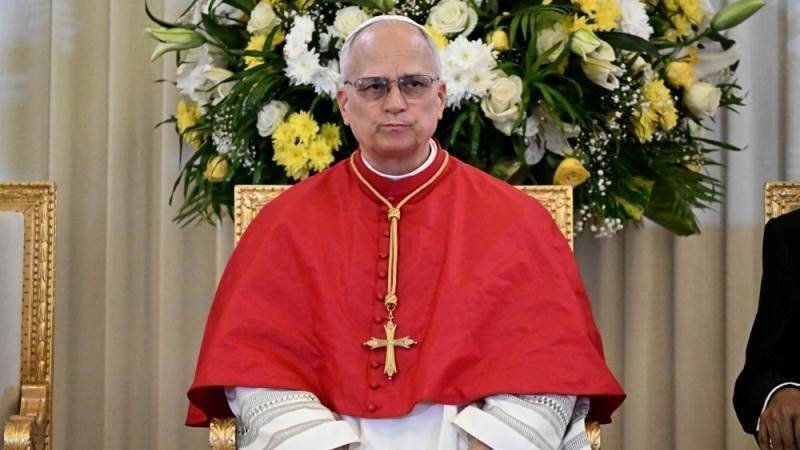
Pope Leo XIV has publicly criticized world leaders, accusing them of spending excessively on wars while the world faces numerous challenges. In a statement released on Thursday, the Pope expressed his concern that the world is being "ravaged by a handful of tyrants," highlighting the devastating impact of conflict and the prioritization of military spending over humanitarian needs.
The Pope's Message: A Call for Peace and Justice
The Pope's statement is a direct challenge to leaders who prioritize military solutions over diplomacy and peace negotiations. He is suggesting that the current global climate, characterized by numerous conflicts and geopolitical tensions, is being driven by a small group of individuals who are focused on power and control rather than the well-being of humanity.
The criticism comes at a time of heightened global instability, with ongoing wars, increasing military budgets, and a growing gap between the rich and the poor. The Pope's words resonate with many who feel that the world's resources are being misallocated, fueling conflict instead of addressing critical issues like poverty, climate change, and healthcare.
Why This News Matters
This news is significant because it comes from a highly respected moral authority. The Pope's words carry considerable weight and can influence public opinion and potentially encourage leaders to reconsider their priorities. The statement also highlights the ethical dimensions of international relations and challenges the notion that military strength is the only path to security.
The Pope's criticism also brings attention to the human cost of war. His message underscores the suffering caused by conflict, including displacement, loss of life, and the destruction of communities. By highlighting these consequences, the Pope is calling for a more compassionate and humane approach to global affairs.
Our Analysis
In our opinion, the Pope's statement is a timely and necessary intervention. The world is facing numerous crises, and it is crucial for leaders to prioritize peace, diplomacy, and cooperation. The excessive spending on military budgets is a symptom of a deeper problem: a lack of trust and a willingness to resort to violence as a means of resolving disputes.
The Pope's words also reflect a growing sense of frustration among many people who feel that their leaders are not addressing the real challenges facing the world. The focus on military spending often comes at the expense of social programs, education, and healthcare, which can exacerbate inequality and social unrest. This could impact political stability in many regions.
The Underlying Message: Rethinking Global Priorities
The Pope is essentially calling for a fundamental shift in global priorities, urging leaders to invest in peace, development, and cooperation rather than military might. This requires a willingness to engage in dialogue, to find common ground, and to address the root causes of conflict.
Future Outlook
The Pope's statement could have a significant impact on the global discourse surrounding peace and security. It may encourage civil society organizations, religious leaders, and ordinary citizens to advocate for a more peaceful and just world.
- We anticipate increased scrutiny of military spending and calls for greater transparency in arms sales.
- There could be a renewed focus on diplomacy and conflict resolution as alternatives to military intervention.
- We expect to see greater emphasis on addressing the root causes of conflict, such as poverty, inequality, and political oppression.
This could be a watershed moment where ethical considerations are placed at the heart of global decision-making. However, the extent to which the Pope's message is heeded will depend on the willingness of leaders to listen and to act on his words.
Challenges and Opportunities
While the Pope's message offers hope for a more peaceful future, there are significant challenges to overcome. Deep-seated geopolitical tensions, conflicting national interests, and the influence of the military-industrial complex all pose obstacles to progress.
Ultimately, the future outlook depends on the collective will of humanity to choose peace over war. The Pope's statement serves as a powerful reminder of the moral imperative to work towards a world where the resources are used to build a better future for all, rather than to destroy it.