Florida Immigration Policy: Embracing ICE and Its Implications
Florida's closer ties with ICE are reshaping immigration enforcement. Explore the policy changes, potential impacts, and future outlook in this insightful analysis.
Florida's Changing Approach to Immigration Enforcement: A Deep Dive
Florida is undergoing a significant shift in its approach to immigration enforcement. Under the leadership of Republican officials, the state has increasingly aligned itself with the federal Immigration and Customs Enforcement (ICE), adopting policies championed by figures like Stephen Miller, a former advisor known for his hard-line stance on immigration. This evolving relationship raises important questions about the future of immigration in Florida and its potential impact on communities across the state.
Florida's Embrace of ICE
For years, Florida has taken a certain stance on immigration. But recent moves suggest a growing cooperation between state authorities and federal immigration agencies, especially ICE. This collaboration involves implementing policies that mirror stricter federal immigration enforcement strategies. It's a big change that's happening, in some ways, behind the scenes.
What's Driving This Shift?
The push towards stricter immigration enforcement is driven by several factors. Concerns about border security and potential links to crime are often cited as justification. The influence of political figures like Stephen Miller, who advocate for aggressive immigration policies, also plays a crucial role in shaping the direction of these changes. Miller's vision of immigration has been heavily adopted by policy makers in Florida.
Why This News Matters
This shift in Florida's immigration policy has far-reaching implications:
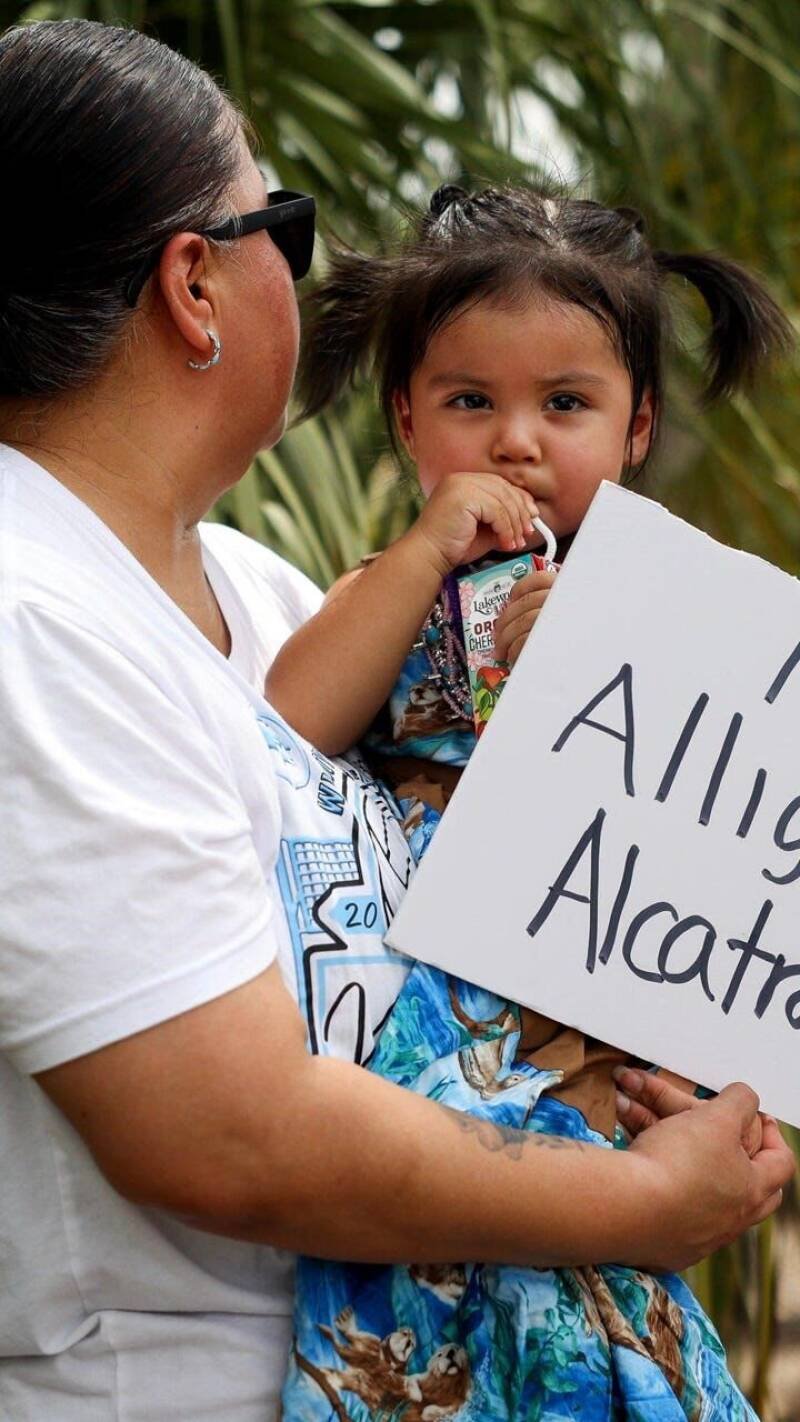
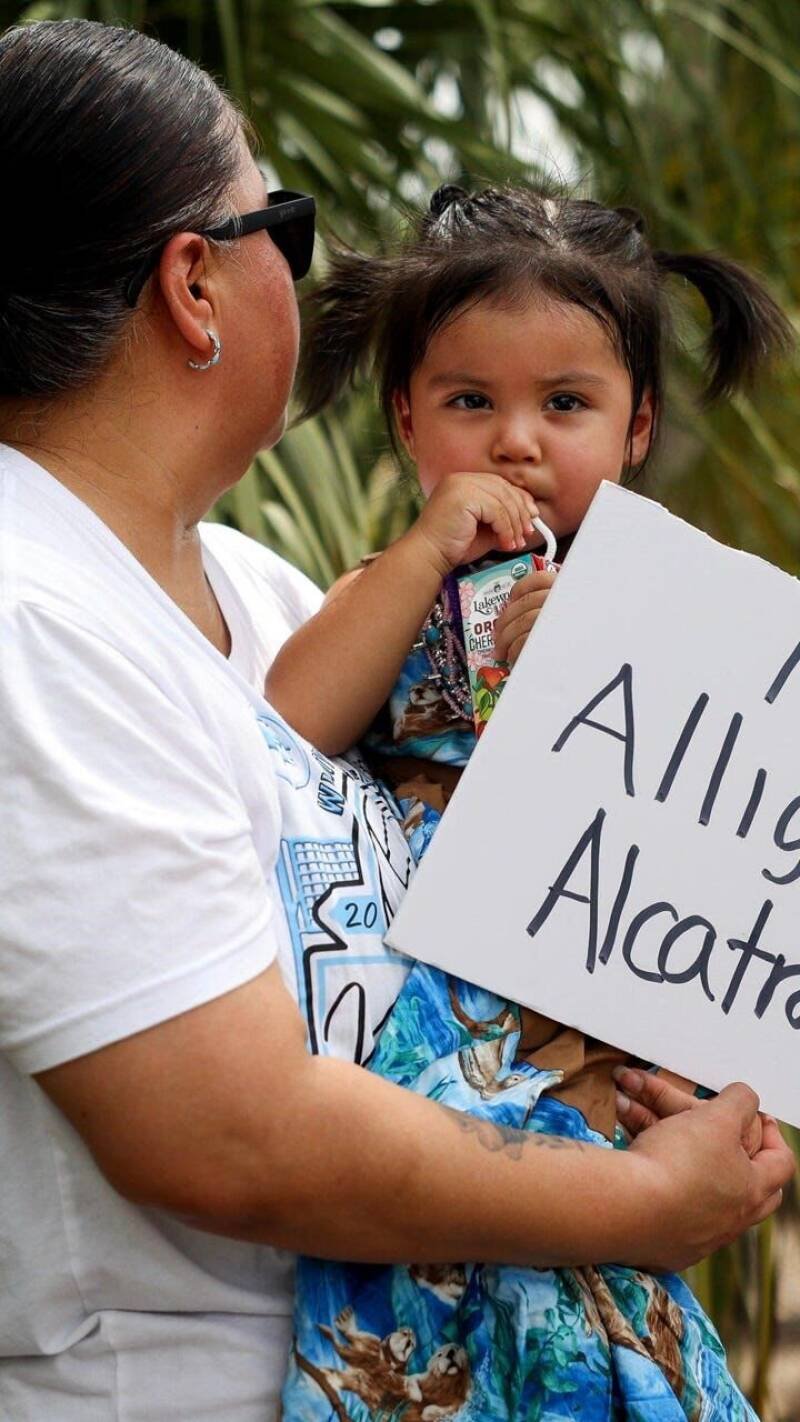
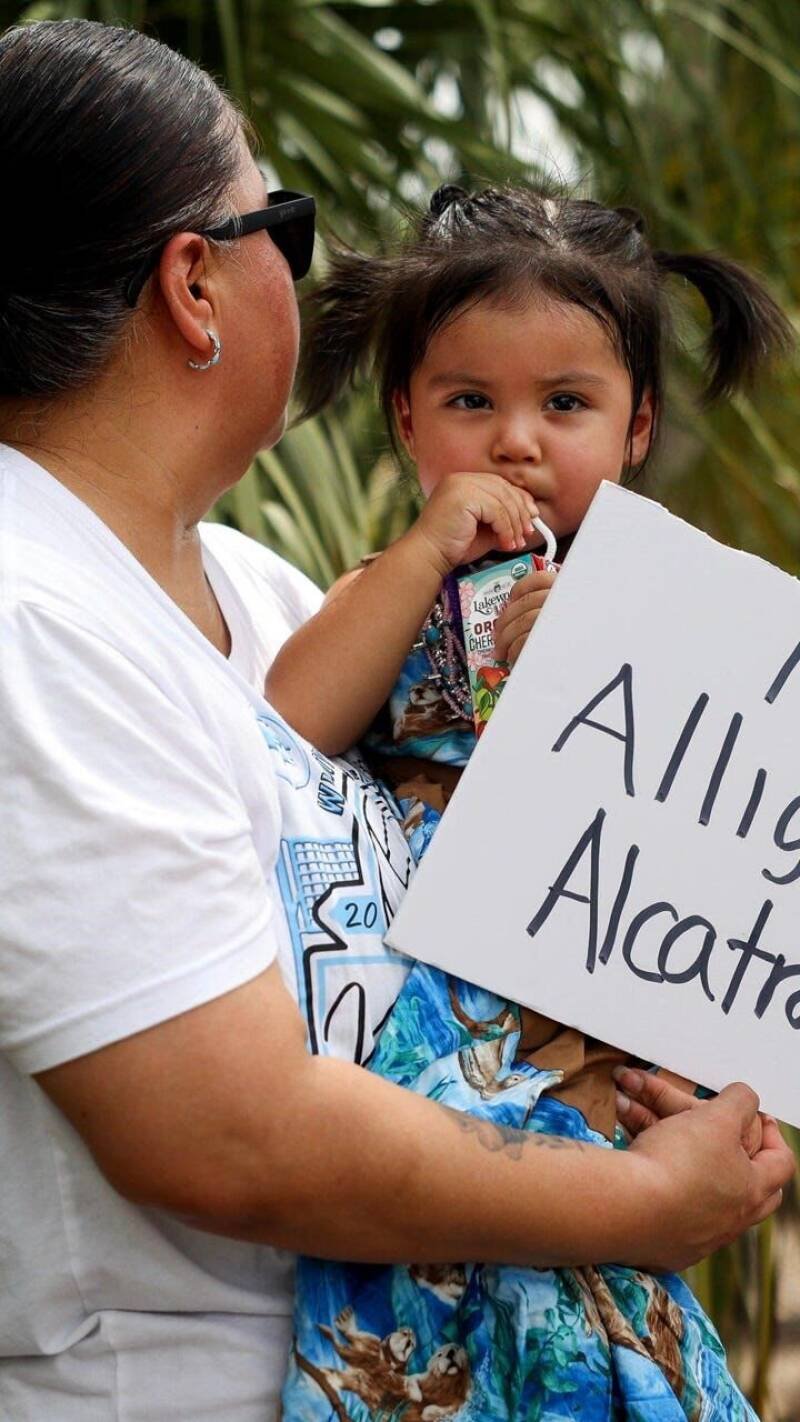
* **Community Impact:** Tighter immigration enforcement can lead to increased fear and uncertainty within immigrant communities, potentially discouraging them from reporting crimes or seeking essential services.
* **Economic Consequences:** Florida's economy relies heavily on immigrant labor, particularly in sectors like agriculture and tourism. Stricter enforcement could disrupt these industries and lead to labor shortages.
* **Legal and Ethical Concerns:** The expanded role of state authorities in immigration enforcement raises concerns about potential civil rights violations and the fairness of the system.
* **State Resources:** Florida taxpayers will shoulder the burden of increased enforcement costs, which could impact budgets across education, infrastructure, and healthcare.
Our Analysis
In our opinion, Florida's increased reliance on ICE is a double-edged sword. While proponents argue it enhances security and adheres to federal law, the potential downsides are significant. The risk of disproportionately impacting vulnerable communities and harming the state's economy is considerable.
The close ties with ICE might also blur the lines between state and federal responsibilities, leading to complex legal challenges and potential abuses of power. This shift prioritizes deportation over integration, potentially creating a climate of fear and distrust.
The policies championed by figures like Stephen Miller are highly controversial. They often result in the separation of families and the targeting of individuals with no criminal record. We believe a more balanced approach that combines enforcement with pathways to legal status and community integration is essential.
Future Outlook
The future of immigration policy in Florida remains uncertain. The upcoming elections could significantly influence the state's direction. If current trends continue, we can expect to see:
* **Increased enforcement:** More resources devoted to immigration enforcement at the state level.
* **Legal challenges:** Lawsuits challenging the constitutionality and fairness of the new policies.
* **Political debate:** Heightened debate over immigration reform and the role of the state in federal immigration matters.
* **Economic consequences:** Potential labor shortages and disruptions in key industries.
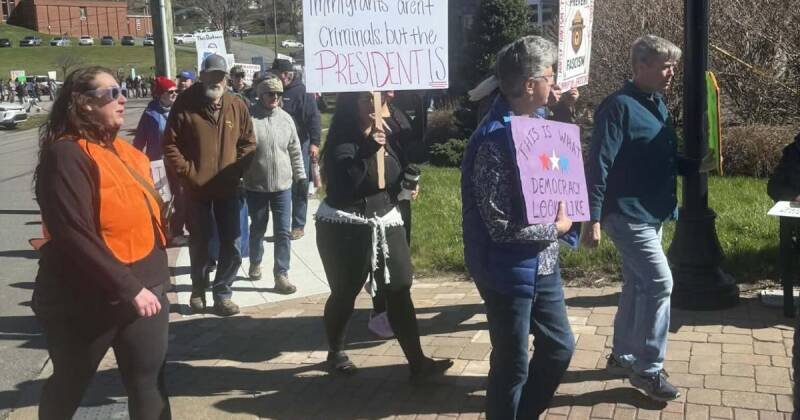
* **Community engagement:** Immigrant advocacy groups push for reform.
Potential Challenges and Opportunities
The changes present challenges: potential legal battles, the need to ensure civil rights are respected, and the economic impact of labor shortages. However, this could also create opportunities for comprehensive immigration reform and a more inclusive approach that benefits all Floridians. We believe ongoing conversations and a balanced approach are key to a successful future.
What Can Be Done?
It's important for people to stay informed and engage in respectful dialogue. Supporting organizations that work to uphold civil rights and advocating for comprehensive immigration reform are essential steps. The future of Florida's immigration policy will depend on the active participation of its citizens.