Pittsburgh Post-Gazette Saved: The Rise of Nonprofit Journalism
The Pittsburgh Post-Gazette finds a lifeline in nonprofit ownership. Explore the trend of newspapers turning to nonprofit models and what it means for the future of news.



The Pittsburgh Post-Gazette finds a lifeline in nonprofit ownership. Explore the trend of newspapers turning to nonprofit models and what it means for the future of news.
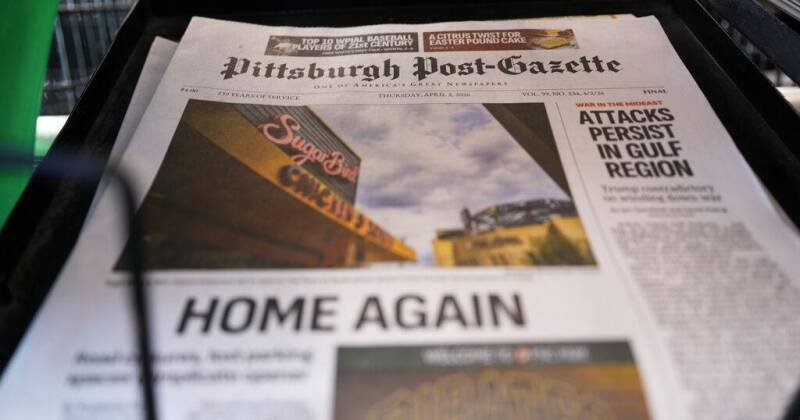
The Pittsburgh Post-Gazette, a historical pillar of local news, has been saved from the brink of closure. A nonprofit journalism organization has stepped in to purchase the struggling newspaper, offering a crucial lifeline and preventing what seemed like an imminent shutdown. This move highlights a growing trend in the media landscape: newspapers turning to the nonprofit sector for survival.
The announcement, made on Tuesday, signals a major turning point for the Post-Gazette and potentially for the broader newspaper industry. Financial details of the acquisition have not been fully disclosed, but the crucial point is that the paper will continue to operate under new, mission-driven ownership.
This situation represents more than just one newspaper being saved. It underscores a fundamental shift in how news is funded and consumed. Traditional for-profit newspaper models are facing unprecedented challenges due to declining advertising revenue, shifting readership habits, and the rise of digital platforms. The Post-Gazette's case is a stark example of this struggle.
The trend of newspapers transitioning to nonprofit status highlights a potential solution to these challenges. Nonprofit ownership allows news organizations to focus on public service journalism rather than solely on profit margins. This can lead to more in-depth reporting, a greater emphasis on local issues, and a stronger connection with the community.
In our opinion, the Post-Gazette's rescue by a nonprofit organization is a positive development. It demonstrates that there is still value placed on local journalism and a willingness to support it through alternative funding models. This move suggests a departure from the traditional profit-driven media landscape, potentially fostering a more community-focused and sustainable approach to news.
However, nonprofit status is not a guaranteed fix. It requires securing consistent funding through donations, grants, and other philanthropic avenues. It also demands transparency and accountability to maintain public trust. The Post-Gazette's success under this new model will depend on its ability to cultivate strong community support and deliver high-quality journalism that serves the public interest.
The challenges facing the Pittsburgh Post-Gazette are not unique. Newspapers across the country are grappling with:
These pressures have led to layoffs, reduced coverage, and even the closure of many newspapers, particularly in smaller communities. The move towards nonprofit models offers a potential pathway to address these challenges and ensure the continued viability of local journalism.
The future of the Pittsburgh Post-Gazette, now under nonprofit ownership, will be closely watched by the media industry. Its success could serve as a blueprint for other struggling newspapers seeking a sustainable path forward. We believe that the shift towards nonprofit journalism is likely to continue, driven by the growing recognition that news is a vital public service that requires innovative funding models.
This could impact the kind of news we consume. We might see:
The Pittsburgh Post-Gazette's story is a reminder that the news industry is evolving, and that new models are emerging to ensure the survival of quality journalism. While challenges remain, the rise of nonprofit journalism offers a glimmer of hope for the future of news.