Nickel Nightmare: Woman's Health Insurance Canceled Over 5 Cent Debt
A Florida woman lost her health insurance over a 5-cent debt. Learn how this happened, why it matters, and what it means for you.
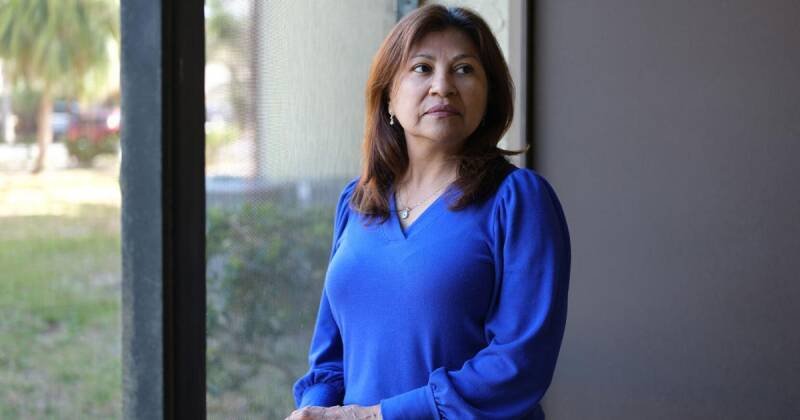



A Florida woman lost her health insurance over a 5-cent debt. Learn how this happened, why it matters, and what it means for you.
Imagine losing your health insurance over a nickel. That's exactly what happened to Lorena Alvarado Hill, a teacher's aide and single mom from Melbourne, Florida. Last summer, facing a stack of unexpected medical bills, she experienced a bureaucratic nightmare that highlights the vulnerabilities many Americans face with their health insurance.
Hill, working tirelessly between her teaching job and a weekend gig at J.Crew to support her daughter's college dreams, received several unexpected medical bills. While trying to navigate these expenses, she apparently underpaid her insurance premium by a mere five cents. The result? Her health insurance was canceled.
What makes this situation even more frustrating is that Hill claims she never received a clear warning about the impending cancellation. She asserts she was unaware of the minuscule outstanding balance and the drastic consequences it would trigger. Instead, she was blindsided by the cancellation notice, leaving her vulnerable and uninsured amidst a sea of medical debt.
This story isn't just about one woman's misfortune; it's a stark illustration of the power imbalance between insurance companies and individuals. It highlights the often-confusing and unforgiving nature of health insurance policies, where minor oversights can lead to major repercussions. This case raises serious questions about transparency, fairness, and the potential for abuse within the healthcare system. It also highlights the struggle that many working families face with unexpected medical bills and the potential financial devastation they can cause.
In our opinion, this situation is unacceptable. While insurance companies have a right to enforce their policies, a cancellation over five cents seems excessively punitive and lacks common sense. It suggests a system that prioritizes rigid adherence to rules over reasonable consideration for the individual circumstances of its customers. We believe that insurance companies have a responsibility to communicate clearly with their policyholders and offer reasonable opportunities to rectify minor discrepancies before resorting to drastic measures like cancellation.
This incident also underscores the complexity of the American healthcare system and the challenges individuals face in understanding and managing their insurance coverage. Many people struggle to navigate the intricacies of deductibles, co-pays, and out-of-pocket maximums, making them vulnerable to errors and unexpected expenses. A more user-friendly and transparent system is desperately needed.
This case could potentially spark a broader conversation about insurance company practices and consumer protection. It's possible that regulatory bodies will scrutinize similar incidents and consider implementing stricter guidelines for insurance cancellations, particularly for minor outstanding balances. This could impact insurance companies by requiring them to adopt more lenient policies and provide clearer communication channels for policyholders.
Furthermore, this story may encourage individuals to be more vigilant about their insurance payments and coverage details. However, even with the best efforts, navigating the complexities of health insurance can be challenging. Therefore, advocacy groups and consumer protection agencies need to continue to educate and empower individuals to understand their rights and navigate the system effectively.
Ultimately, the case of Lorena Alvarado Hill serves as a cautionary tale. It reminds us that even seemingly minor oversights can have significant consequences in the healthcare system, highlighting the need for greater transparency, fairness, and consumer protection.
























