Nganmarriya Return: Health, Water, and Housing Concerns Amidst Repatriation
Residents return to Nganmarriya, but face challenges with health, water, and housing. Our analysis of the situation, its implications, and future outlook.
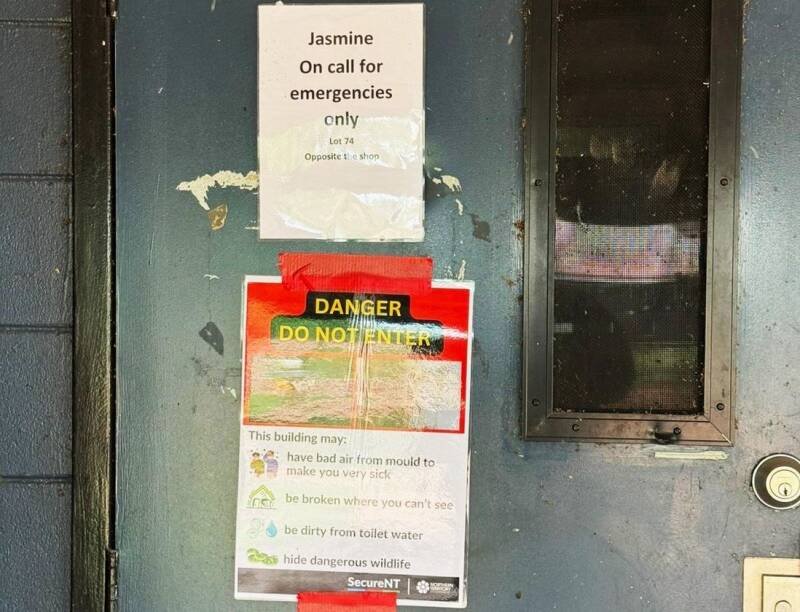



Residents return to Nganmarriya, but face challenges with health, water, and housing. Our analysis of the situation, its implications, and future outlook.
The return of residents to Nganmarriya in the Northern Territory has been met with significant concerns regarding health, water access, and adequate housing. After a period of displacement, the community is eager to rebuild their lives, but faces substantial challenges that require immediate and sustained attention.
While the repatriation was initially a moment of celebration, the reality on the ground paints a different picture. Many residents have returned to find infrastructure severely lacking, creating hardship and potential health risks.
Access to healthcare remains a critical issue. The remote location of Nganmarriya already presents logistical difficulties, and the influx of returning residents further strains existing resources. Concerns about sanitation and hygiene are also heightened due to inadequate water supply and waste management systems.
Without immediate action to improve healthcare infrastructure and access, the community is vulnerable to outbreaks of preventable diseases. This is a serious threat that demands urgent attention from health authorities.
Reliable access to clean water is essential for the well-being of any community. In Nganmarriya, water scarcity is a pressing concern. The existing water infrastructure is reportedly insufficient to meet the needs of the returning population, leading to potential health risks and daily struggles for residents.
This lack of water impacts not only drinking and sanitation but also the ability to maintain hygiene and prevent the spread of illness. Investment in sustainable water solutions, such as bore upgrades or rainwater harvesting, is crucial.
Adequate housing is another critical need. Many residents have returned to find their homes damaged or uninhabitable. Overcrowding is likely to become a problem, potentially exacerbating health issues and social tensions.
Rebuilding and renovating existing homes, as well as constructing new dwellings, is essential to ensure that everyone has a safe and secure place to live. Failure to address the housing crisis will undermine the entire repatriation effort.
This situation highlights the ongoing challenges faced by remote Indigenous communities in Australia. The repatriation of Nganmarriya residents should have been accompanied by a comprehensive plan to address their basic needs. The current situation raises serious questions about the adequacy of government support and planning.
The well-being of Nganmarriya residents is not just a local issue; it reflects the broader social and economic disparities experienced by Indigenous communities across the country. Addressing these issues is a matter of social justice and human rights.
In our opinion, the current situation in Nganmarriya is a result of inadequate planning and insufficient resources allocated to the repatriation process. While the intention to return residents to their home community is commendable, the lack of preparedness has created a situation where their basic needs are not being met. The lack of available support also puts pressure on the families returning.
The government needs to prioritize investment in essential infrastructure, including healthcare facilities, water supply systems, and housing. Furthermore, community consultation and engagement are crucial to ensure that solutions are culturally appropriate and sustainable. Neglecting these factors could lead to further disadvantage and disillusionment.
The future of Nganmarriya depends on a concerted effort by the government, community leaders, and other stakeholders to address the current challenges. A comprehensive, long-term plan is needed to ensure that residents have access to the services and resources they need to thrive.
This could impact the wider reconciliation process in Australia. If these issues are not handled effectively, it could further erode trust between the government and Indigenous communities. However, with genuine commitment and collaboration, Nganmarriya can become a model for successful repatriation and community development.
We believe that the situation in Nganmarriya serves as a reminder that repatriation is not just about returning people to their land; it's about creating a sustainable and thriving community where everyone has the opportunity to live a healthy and fulfilling life. The task now is to ensure the residents of Nganmarriya can do that.
























