Azerbaijan President Emphasizes Peace: Why It Matters Now
Azerbaijani President Ilham Aliyev highlights the importance of peace and reconciliation, drawing lessons from history. Learn why this message is crucial for future stability and security.
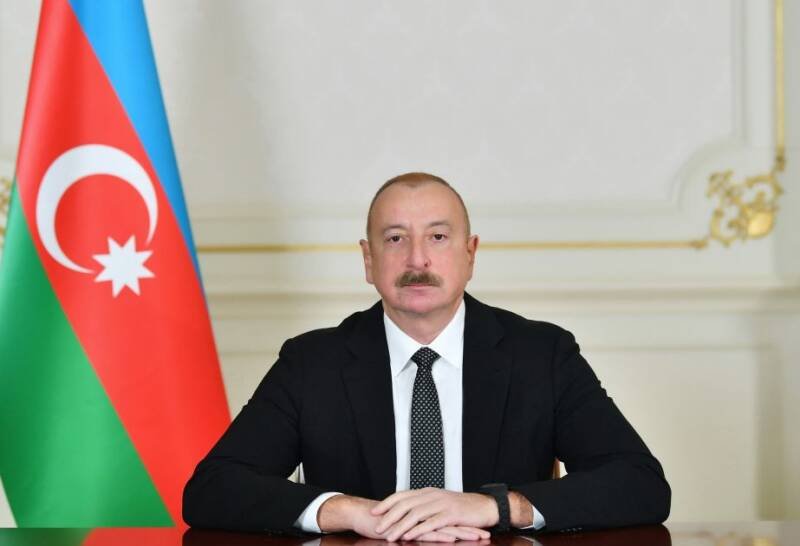



Azerbaijani President Ilham Aliyev highlights the importance of peace and reconciliation, drawing lessons from history. Learn why this message is crucial for future stability and security.
Azerbaijani President Ilham Aliyev recently addressed the "Gernika Award for Peace and Reconciliation" ceremony, emphasizing the critical importance of peace and reconciliation for all nations. He highlighted how the lessons learned from historical conflicts, particularly the experiences of those who have suffered the devastating consequences of war, must guide future generations toward a more stable and secure world. His message resonates particularly strongly given Azerbaijan's own recent history.
The Gernika Award itself is named after the Basque town of Gernika, Spain, which was infamously bombed during the Spanish Civil War. This event became a symbol of the horrors of war and the urgent need for peace. By invoking Gernika, President Aliyev is drawing a parallel between past tragedies and the ongoing need for conflict resolution globally.
President Aliyev's statement comes at a particularly sensitive time. Azerbaijan has recently emerged from a period of intense conflict. His explicit emphasis on peace and reconciliation carries significant weight, signaling a potential shift towards long-term stability in the region. This is especially important in light of the complex geopolitical landscape involving its neighbors.
In our opinion, President Aliyev's address is a carefully considered diplomatic move. He is not only acknowledging the importance of peace in abstract terms, but also implicitly referencing Azerbaijan's own experiences with conflict and loss. By framing the message within the context of the Gernika Award, he is appealing to a universal desire for peace and security. We believe this message is primarily aimed at both domestic and international audiences. Domestically, it serves to reinforce the narrative of a nation committed to building a peaceful future. Internationally, it aims to improve Azerbaijan's image as a responsible and peace-oriented actor on the global stage.
It's important to remember the nuances of regional relations. While this statement emphasizes peace, ongoing tensions and unresolved issues remain, requiring continuous dialogue and commitment from all parties involved.
The future impact of President Aliyev's message remains to be seen. Here are some possible scenarios:
This could impact international relations with countries who have previously had negative opinions about Azerbaijan's recent actions. They may now see Azerbaijan in a more positive light, leading to stronger diplomatic and economic ties.
Ultimately, the success of any peace initiative depends on the willingness of all parties to engage in good-faith negotiations and compromise. The international community, including organizations like the United Nations and the European Union, can play a crucial role in facilitating dialogue and supporting peacebuilding efforts. The focus should be on finding mutually acceptable solutions that address the underlying causes of conflict and promote long-term stability in the region.
It's also important to remember that words alone are not enough. Concrete actions, such as the implementation of confidence-building measures, the release of prisoners of war, and the return of displaced persons, are essential to building trust and fostering genuine reconciliation.
President Aliyev's recent address represents a potentially important step towards a more peaceful future. However, the journey towards reconciliation will be long and challenging, requiring sustained effort and commitment from all stakeholders.
























