New Jersey Rail Network: A Solution to Inflation for Businesses?
New Jersey businesses are looking to the state's rail network to combat rising inflation and reduce reliance on trucking. Learn how rail could impact costs and the environment.



New Jersey businesses are looking to the state's rail network to combat rising inflation and reduce reliance on trucking. Learn how rail could impact costs and the environment.
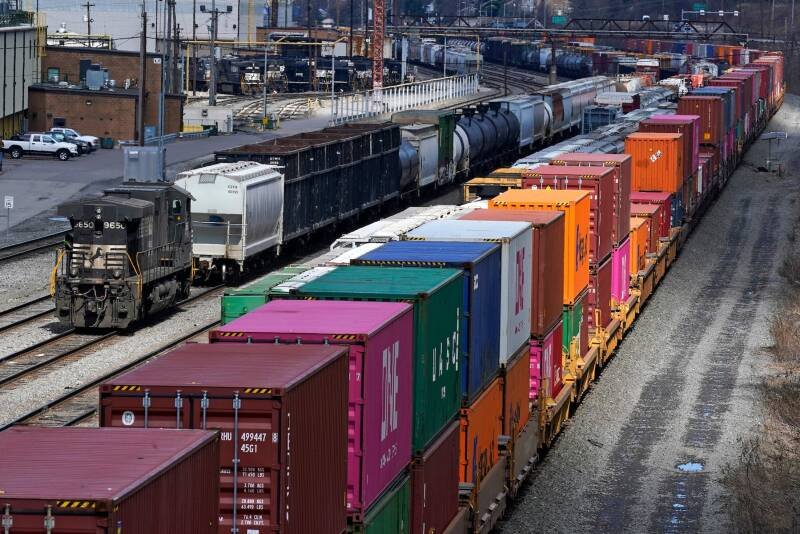
Businesses in New Jersey are increasingly considering the state's rail network as a key tool to combat rising costs and navigate the challenges of inflation, especially as they anticipate further increases in 2026. The focus is on shifting freight from trucks to trains, a move proponents say can ease inflationary pressures and offer numerous other benefits.
Currently, a significant portion of goods movement in New Jersey relies on trucks. This dependence contributes to highway congestion, infrastructure wear and tear, and higher transportation costs passed on to consumers. Rising fuel prices and a shortage of truck drivers further exacerbate these issues, fueling inflation and impacting business profitability.
The idea is simple: move goods by rail instead of trucks. Rail transportation can often be more fuel-efficient, especially for long distances and large volumes. This can translate to lower transportation costs for businesses, ultimately helping to keep prices down for consumers. The existing rail infrastructure in New Jersey presents a ready-made solution, awaiting increased utilization.
This development is significant for several reasons:
In our opinion, the focus on rail as an inflation-fighting measure is a smart move by New Jersey businesses. The over-reliance on trucking has created a vulnerable system susceptible to price fluctuations and logistical bottlenecks. By diversifying transportation methods and leveraging the existing rail infrastructure, businesses can build a more resilient and cost-effective supply chain. However, successful implementation will require collaboration between businesses, government agencies, and rail operators. Investment in rail infrastructure upgrades and improved intermodal connections (connecting rail to other modes of transport, like trucks and ships) will be crucial.
Transitioning from trucking to rail isn't without its challenges. Some businesses may face logistical hurdles, such as the need for specialized equipment or infrastructure to load and unload freight from trains. Furthermore, the rail network's capacity and efficiency must be adequate to handle increased demand. Ensuring seamless coordination between different stakeholders is also essential for a smooth transition.
The future of freight transportation in New Jersey likely involves a more balanced approach, with rail playing a more prominent role. We anticipate increased investment in rail infrastructure and intermodal facilities in the coming years. This could impact job creation in the rail sector and related industries. Furthermore, the growing awareness of the environmental benefits of rail transport may drive further adoption, especially among companies committed to sustainability.
Ultimately, the success of this initiative will depend on the willingness of businesses to embrace change and the ability of government and rail operators to provide the necessary support and infrastructure. If successful, this shift could serve as a model for other states grappling with similar challenges.