New COVID Variant 'Cicada' BA.3.2 Detected in Ontario: What You Need to Know
A new COVID variant, BA.3.2 nicknamed "Cicada," has been detected in Ontario. Is it dangerous? What does this mean for public health? Our analysis and future outlook.
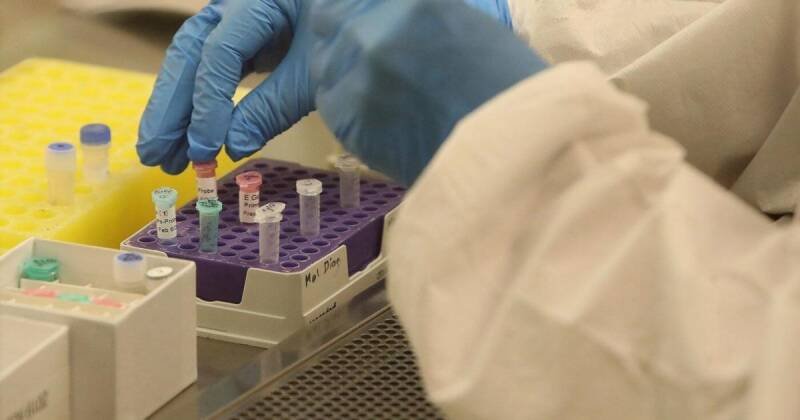



A new COVID variant, BA.3.2 nicknamed "Cicada," has been detected in Ontario. Is it dangerous? What does this mean for public health? Our analysis and future outlook.
A new COVID-19 variant, known as BA.3.2 and nicknamed the "Cicada" variant, has been identified in Ontario, Canada. While the emergence of a new variant can be concerning, health officials are currently assessing its potential impact.
BA.3.2 is a sub-lineage of the Omicron variant, which has been the dominant strain of COVID-19 globally for some time. Variants are a natural part of how viruses evolve. As they replicate, errors can occur in their genetic code, leading to mutations. Some mutations are inconsequential, while others can affect the virus's transmissibility or severity.
According to Public Health Ontario, the available evidence suggests that BA.3.2 poses a "low additional public health risk." This assessment is based on initial data regarding its transmissibility, severity, and potential to evade existing immunity from vaccines or previous infections. However, ongoing monitoring is crucial to confirm these initial findings. It's important to note that even if the risk is currently assessed as low, increased spread can still put a strain on healthcare systems.
Even though officials are saying that the new variant is low risk, any new variant detection deserves our attention. Here's why:
In our opinion, the "low additional public health risk" assessment from Public Health Ontario is reassuring, but cautious optimism is warranted. It's essential to avoid complacency and to continue practicing preventive measures, such as staying up-to-date with vaccinations and practicing good hygiene. We believe a proactive approach, including enhanced surveillance and rapid response capabilities, is necessary to manage the ongoing threat of COVID-19 and its emerging variants.
The fact that the variant is being called 'Cicada' by some likely reflects the public's pandemic fatigue and desire for a more lighthearted association, even with something serious. However, we must remain focused on the science and data, not nicknames.
The future trajectory of the COVID-19 pandemic depends on several factors, including the emergence of new variants, vaccination rates, and the effectiveness of public health measures. It is possible that BA.3.2 will remain a relatively minor player in the pandemic landscape. However, it is equally possible that it could evolve or be replaced by a more concerning variant. Continued monitoring and research are essential to inform public health decisions and protect vulnerable populations. This could impact future booster shot formulations if new variants significantly evade existing immunity.
Looking ahead, investments in genomic surveillance, research, and public health infrastructure will be crucial for managing the ongoing threat of COVID-19 and preparing for future pandemics. A collaborative, global approach is necessary to effectively track and respond to emerging variants and protect the health of populations worldwide. Furthermore, clear and consistent communication from public health officials is critical to maintain public trust and encourage adherence to recommended guidelines.
























