Nepal Gen Z Protest Crackdown: Report Suggests Phased Implementation of Recommendations
Report implicating police chief and Kathmandu CDO in Gen Z protest crackdown may see recommendations implemented gradually.
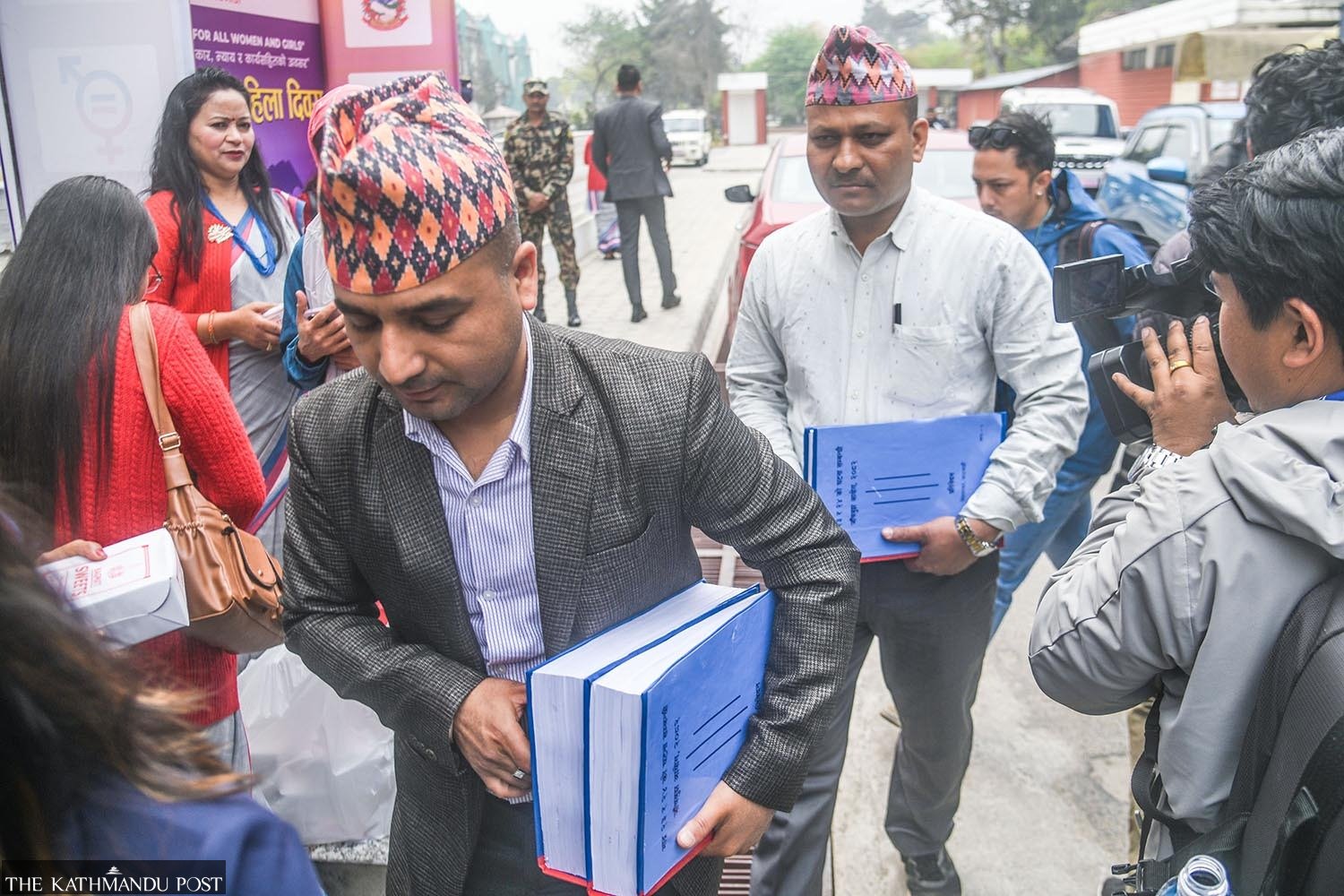



Report implicating police chief and Kathmandu CDO in Gen Z protest crackdown may see recommendations implemented gradually.
A report examining the government's response to recent protests led by Gen Z in Nepal suggests that recommendations arising from the investigation may be implemented "in stages." The report, which focuses on the actions taken during the protests, reportedly implicates high-ranking officials, including the police chief and the Chief District Officer (CDO) of Kathmandu. The sources of this information remain unnamed.
The protests, organized and driven largely by members of Generation Z, addressed issues relevant to young Nepalis. While the specific grievances are not detailed in this article, the government's reaction to these demonstrations has come under scrutiny, prompting the aforementioned investigation and subsequent report. The report, therefore, examines how state authorities managed and responded to these public gatherings.
The phased implementation of the report's recommendations suggests a deliberate approach to addressing the findings. This approach may be due to the complexity of the issues raised, the potential for political ramifications, or the need for careful consideration of resource allocation. A staged approach also enables the government to monitor the impact of each implemented measure and adjust the strategy accordingly.
The implication of the police chief and the Kathmandu CDO highlights the report's focus on individual accountability. The CDO, a key administrative official in Kathmandu, plays a vital role in maintaining law and order within the district. Similarly, the police chief holds significant responsibility for the conduct of law enforcement during public demonstrations. The focus on these individuals indicates the report likely examines the chain of command and decision-making processes during the protest crackdown.
If the recommendations are fully implemented, it could lead to significant changes in how the government handles protests in the future. This could involve revised protocols for crowd control, increased emphasis on de-escalation tactics, and a greater commitment to protecting the rights of protesters. The staged implementation allows for adjustments to be made as the recommendations are put into practice.
The details of the recommendations themselves remain undisclosed in this report. Without knowing the specific measures being considered, it is difficult to fully assess the potential impact of the staged implementation. However, the phased approach suggests a careful and considered response to the findings of the report.