Near Disaster During US Rescue Mission in Iran: A Close Call Explained
A US rescue mission in Iran almost went terribly wrong when two aircraft suffered mechanical failures. Learn about the near disaster and what it means for future operations.
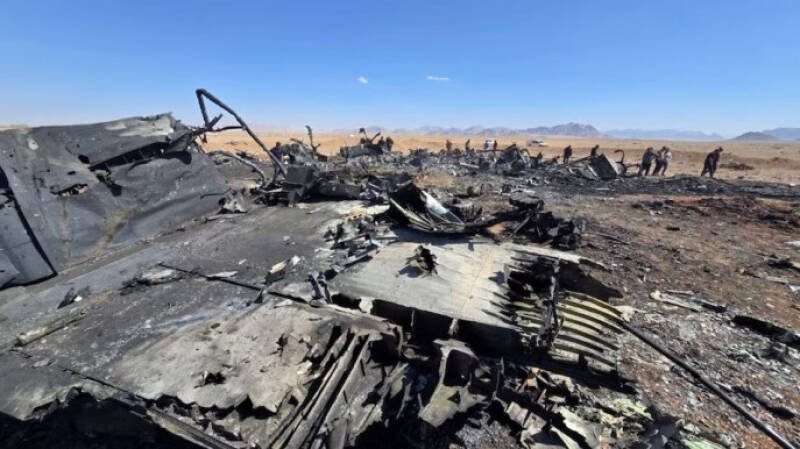



A US rescue mission in Iran almost went terribly wrong when two aircraft suffered mechanical failures. Learn about the near disaster and what it means for future operations.
A harrowing detail from a past US rescue mission in Iran has resurfaced, highlighting the inherent risks involved in such complex operations. According to reports, during a mission to extract personnel, two MC-130 aircraft, integral to transporting approximately 100 special operations forces into a remote, challenging location south of Tehran, experienced crippling mechanical failures.
The MC-130 aircraft, specifically designed for clandestine or low-visibility missions, are crucial for inserting and extracting special forces in difficult environments. The mechanical failures on these two aircraft meant they were unable to take off, leaving the deployed forces stranded and potentially vulnerable.
Understanding the near-misses in past operations is vital for several reasons:
The fact that two MC-130 aircraft failed during this particular mission reveals a potential weakness in operational readiness. While mechanical failures are unavoidable, the simultaneous failure of two critical aircraft suggests that either maintenance protocols need re-evaluation or that reliance on a single type of aircraft for such a vital role might be too risky.
In our opinion, this incident highlights the importance of diversifying assets and rigorously testing equipment before deployment. A more diversified fleet of specialized aircraft, each with redundant systems, could mitigate the risk of a single point of failure crippling an entire operation. We also believe that investment in advanced diagnostic tools and predictive maintenance programs is essential to identify and address potential mechanical issues before they become mission-critical failures.
This near disaster could significantly impact future US military strategy and operational planning. We anticipate the following developments:
Furthermore, this event could prompt a review of risk assessment protocols for future missions. It's crucial to thoroughly analyze potential failure points and develop comprehensive contingency plans to address them. This could include having backup aircraft on standby, establishing secure communication channels for emergency situations, and ensuring that ground forces have the necessary resources and training to operate independently if extraction is delayed or impossible.
This could impact the way special operations are planned and executed, potentially leading to more cautious and deliberate approaches. The priority will undoubtedly be on minimizing risk and ensuring the safety of personnel, even if it means sacrificing speed or agility. This event serves as a stark reminder of the complexities and dangers inherent in covert operations, and the importance of continuous improvement and adaptation in the face of evolving threats and challenges.
The details of how the forces were eventually extracted, or how the mechanical failures were addressed, remain largely undisclosed in the original report. However, the sheer fact that the mission continued after such a critical setback speaks volumes about the resilience and resourcefulness of the US military and its special operations forces.
























