Toxic Drug Deaths Devastate First Nations in BC: A Deep Dive
British Columbia sees alarming rates of toxic drug deaths among First Nations people. We break down the crisis, its causes, and what the future holds.




British Columbia sees alarming rates of toxic drug deaths among First Nations people. We break down the crisis, its causes, and what the future holds.
British Columbia (BC) continues to grapple with a devastating toxic drug crisis, and the latest data paints a grim picture for First Nations communities. In 2025, a staggering 289 First Nations individuals in BC lost their lives due to toxic drugs, highlighting the disproportionate impact of this crisis on Indigenous populations.
The health authority reports that First Nations people are tragically overrepresented in the annual overdose death statistics. This isn't just a number; it represents families torn apart, cultural loss, and the ongoing struggles faced by Indigenous communities in BC.
This news is crucial because it underscores a deep-seated inequity within the broader toxic drug crisis. It's not simply about addiction; it's about systemic factors that make First Nations communities more vulnerable. Ignoring these disparities hinders effective solutions and perpetuates a cycle of tragedy.
The high number of deaths signifies a potential failure of current intervention and prevention strategies when it comes to effectively reaching and supporting Indigenous populations. We need to examine why existing programs aren't working and adapt them to better meet the specific needs of these communities.
Several factors likely contribute to the disproportionate impact of the toxic drug crisis on First Nations in BC:
In our opinion, a multi-faceted approach is essential. Addressing the root causes of addiction, improving access to culturally appropriate healthcare, and implementing effective harm reduction strategies are crucial steps.
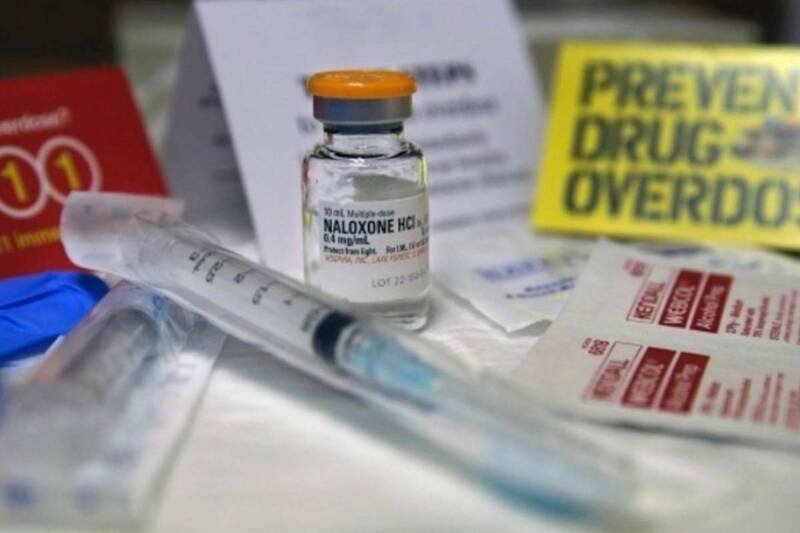
While harm reduction strategies like safe injection sites and naloxone distribution are essential, they are not a panacea. A holistic approach that incorporates cultural healing practices and trauma-informed care is necessary for long-term recovery.
The future outlook is uncertain, but there are reasons for cautious optimism. Increased awareness of the problem, growing recognition of the need for culturally sensitive approaches, and renewed commitment from government agencies offer a glimmer of hope. However, sustained effort and long-term investment are crucial.
This could impact funding decisions, leading to increased resources for Indigenous-led health initiatives. We expect to see a greater emphasis on culturally appropriate treatment programs and community-based interventions. Continued data collection and analysis are essential to monitor the effectiveness of these efforts and adapt strategies as needed.
Moving forward, reconciliation and healing must be at the forefront of our efforts. A commitment to addressing the systemic inequalities that contribute to the toxic drug crisis is not only a moral imperative but also essential for creating a healthier and more equitable future for all British Columbians.
We need to focus on:










![Karapadi Health Camp: A Lifeline After Months of Need | [Your Publication Name]](https://globalnewstoday.live/uploads/news/news_1777234516_Lb87XY.jpg)