Elderly Abuse and Theft: Understanding the Rise and Impact of Violent Crime Against Seniors
Explore the disturbing trend of violent crime against the elderly, including analysis of the underlying causes, the devastating impact on victims, and potential solutions for enhanced protection.
Elderly Abuse and Theft: A Disturbing Trend
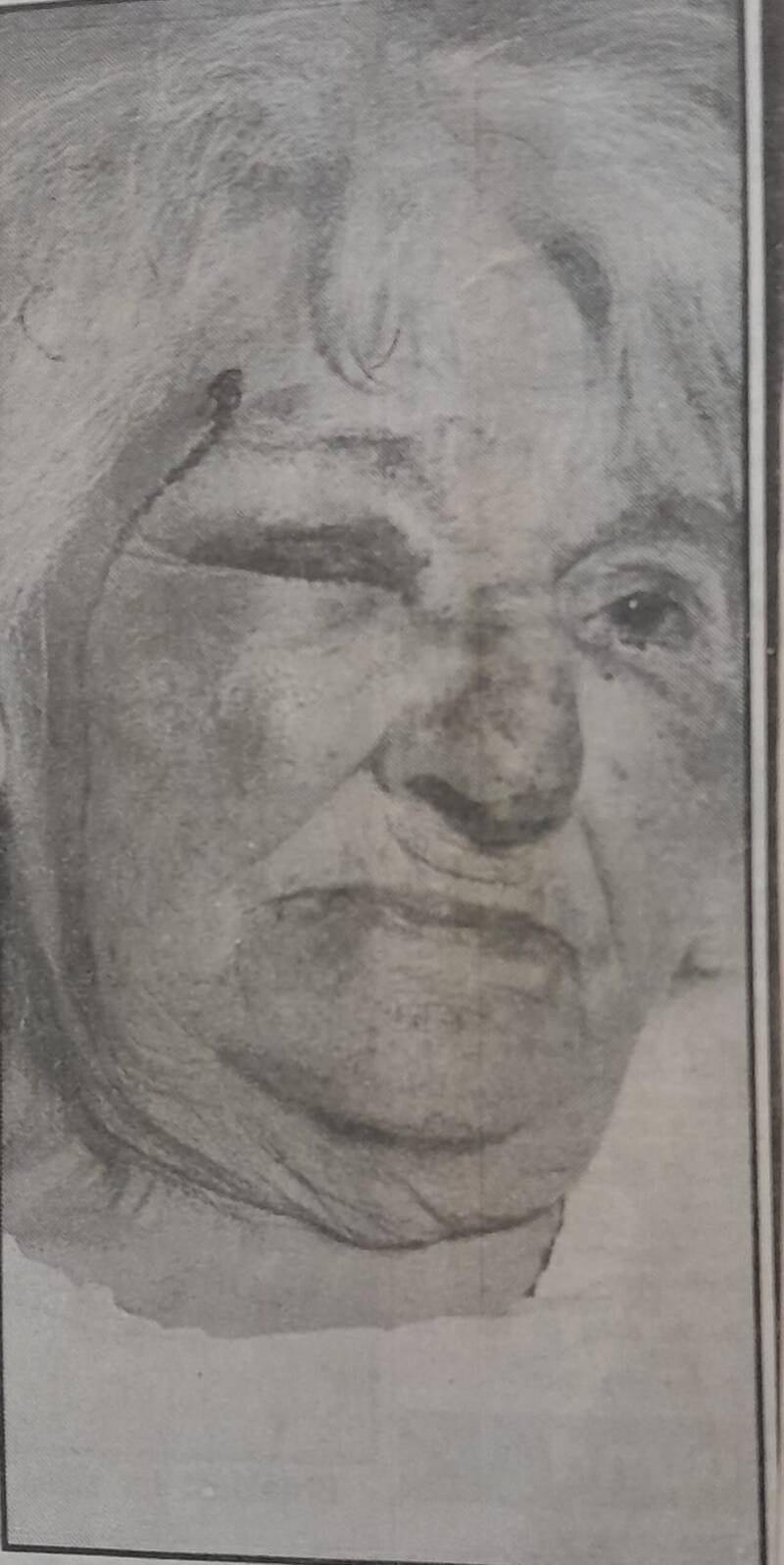
Recent reports have highlighted a deeply concerning trend: the brutal targeting of elderly individuals for theft, often resulting in physical harm. The images coming out are graphic, showing defenseless seniors subjected to violence for what amounts to very little monetary gain for the perpetrators. This isn't just about petty crime; it's a violation of trust and security for a vulnerable population.
The Gruesome Reality
The stories are harrowing. Elderly people, often living on fixed incomes and struggling with physical limitations, are being attacked in their homes and on the streets. These attacks aren't just about the money stolen; they inflict lasting physical and emotional trauma on the victims. The psychological impact of such violations can be devastating, leading to fear, isolation, and a loss of independence. They may become afraid to leave their homes or interact with others, severely impacting their quality of life.
Why This News Matters
This issue matters profoundly for several reasons:
- Human Dignity: Every individual, regardless of age, deserves to live in safety and with dignity. These attacks are a direct assault on those fundamental rights.
- Social Cohesion: The targeting of vulnerable members of society erodes the fabric of communities. It creates fear and distrust, making it harder to build strong, supportive networks.
- Healthcare Burden: The physical and mental health consequences of these attacks place a significant burden on healthcare systems, requiring long-term care and support for victims.
- Economic Impact: Many elderly people rely on fixed incomes, and the loss of even a small amount of money can have a significant impact on their ability to afford basic necessities.
Our Analysis
In our opinion, several factors contribute to this disturbing trend:
- Desperation and Poverty: Economic hardship can drive individuals to commit desperate acts, targeting those perceived as vulnerable.
- Lack of Social Support: Weak social networks and a lack of community vigilance can create opportunities for criminals to operate with impunity.
- Ageism and Prejudice: Sadly, some individuals may view the elderly as easy targets, fueled by ageist stereotypes and a lack of empathy.
- Substance Abuse: Drug addiction and substance abuse can impair judgment and increase the likelihood of violent crime.
Furthermore, the relatively low risk of detection and prosecution may embolden criminals to target the elderly. This could be due to underreporting of crimes against seniors or a lack of resources dedicated to investigating these cases.
Future Outlook
Addressing this issue requires a multi-pronged approach:
- Enhanced Community Policing: Increased police presence in areas with high concentrations of elderly residents can deter crime and provide a sense of security.
- Targeted Support Services: Providing resources and support services to vulnerable seniors, such as home security assessments and personal safety training, can help them protect themselves.
- Stronger Social Networks: Building stronger social connections within communities can create a more supportive environment for the elderly, making it harder for criminals to operate unnoticed.
- Increased Penalties: Stricter penalties for crimes against the elderly can send a strong message that these acts will not be tolerated.
- Public Awareness Campaigns: Educating the public about the risks faced by elderly people and promoting respect and empathy can help to change attitudes and prevent future attacks.
Ultimately, creating a safer and more supportive environment for the elderly requires a collective effort. We must work together as communities to protect our most vulnerable members and ensure that they can live with dignity and security. This could impact how secure seniors feel in their own homes and communities.