Bihar Children 'Rescued' in Odisha: Consent vs. Trafficking Concerns
Children from Bihar headed to a Madrasa in Odisha were 'rescued' despite possessing parental consent forms. Is this child protection or overreach? We analyze the situation.
Bihar Children 'Rescued' in Odisha: Consent Forms Raise Questions
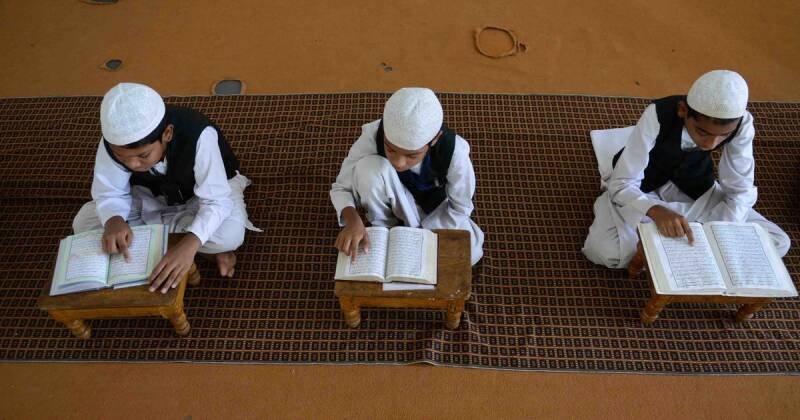
Recently, a group of children from Bihar, on their way to a Madrasa (Islamic religious school) in Odisha, were taken into protective custody by authorities. This happened despite the teachers accompanying them possessing Aadhaar cards and signed consent forms from the children's parents. The children were subsequently placed in a government shelter home in Cuttack, Odisha.
The Incident: A Clash of Perspectives
According to a local Maulana (Islamic scholar), the teachers had all the necessary documentation, including proof of identity and authorization from the children's families. He expressed concern and confusion as to why the children were taken into custody despite these measures. The officials involved in the 'rescue' operation likely acted out of concern for child trafficking, a persistent problem in the region.
Conflicting Narratives: Consent vs. Potential Exploitation
The core of the issue revolves around the balance between parental rights and the state's responsibility to protect children. While parents have the right to make decisions about their children's education and upbringing, authorities must intervene if there's a credible risk of exploitation or abuse. In this case, the existence of consent forms suggests parental permission, yet officials still deemed the situation requiring intervention.
Why This News Matters
This incident highlights the complexities of child welfare in India, particularly concerning vulnerable populations. It raises critical questions about the role of government in overseeing religious education, the interpretation of parental consent in potentially exploitative situations, and the cultural sensitivity required when dealing with diverse communities. Misinterpreting cultural norms or religious practices could lead to unnecessary intervention and distrust.
Our Analysis
In our opinion, while child trafficking is a serious concern, the authorities need to be more transparent about the specific reasons for the 'rescue'. The existence of parental consent forms and Aadhaar cards significantly weakens the trafficking argument, at least on the surface. Was there other intelligence suggesting exploitation? Was there a suspicion that the consent forms were obtained under duress or misrepresentation? These questions need to be addressed publicly to justify the action taken.
Furthermore, the incident underscores the need for improved communication and coordination between law enforcement agencies in different states. Standardized procedures for verifying consent and assessing the well-being of children traveling for educational purposes are crucial to prevent such situations from escalating unnecessarily.
Potential for Misinterpretation and Fear
This situation could create fear and distrust within the community. If parents fear that sending their children to religious schools will result in government intervention, they may be less likely to pursue education, potentially perpetuating cycles of poverty and marginalization.
Future Outlook
The future hinges on how this case is resolved and the lessons learned from it. A thorough and transparent investigation is essential to determine if the children were genuinely at risk. More importantly, it requires fostering trust between communities and authorities.
* **Need for Clear Guidelines:** There is a need for clearly defined guidelines on when and how to intervene in cases involving children traveling with parental consent for educational purposes.
* **Community Engagement:** Increased community engagement and dialogue between law enforcement and religious leaders can help build trust and prevent misunderstandings.
* **Strengthening Child Protection Mechanisms:** Strengthening existing child protection mechanisms, including awareness campaigns and monitoring systems, can help address genuine cases of child trafficking and exploitation.
This could impact how Madrasas operate and whether parents feel safe sending their children to these schools. The government needs to act carefully to balance child protection with respecting religious freedom and parental rights. In our opinion, transparency and communication are key to avoiding similar incidents in the future.