Saudi Arabia's Plea to US: Lift Iran Sanctions - Why It Matters
Saudi Arabia is urging the US to ease sanctions on Iran. Explore the reasons behind this surprising move, the potential impact on oil prices, and the future of Middle East stability.
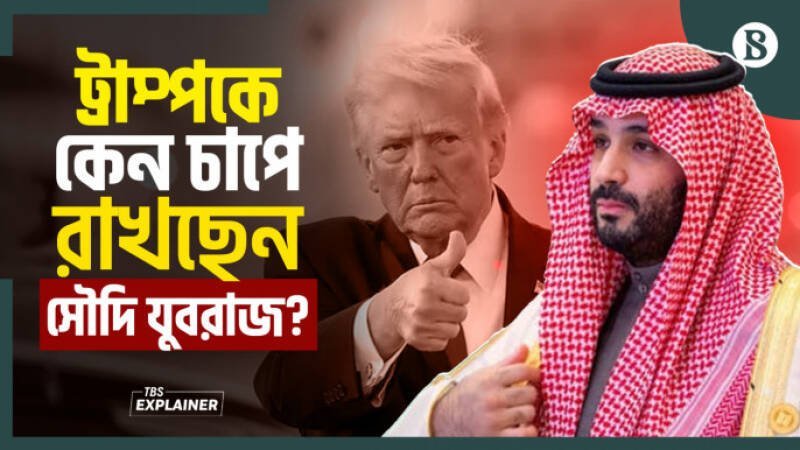



Saudi Arabia is urging the US to ease sanctions on Iran. Explore the reasons behind this surprising move, the potential impact on oil prices, and the future of Middle East stability.
The global stage is witnessing a fascinating development: Saudi Arabia, a staunch US ally, is reportedly pressuring the Trump administration (and now, by extension, the Biden administration) to reconsider its stringent sanctions against Iran. This might seem counterintuitive, given the long-standing rivalry between Saudi Arabia and Iran, but a closer look reveals a nuanced geopolitical landscape where economic realities and regional stability intertwine.
The backdrop to this situation is the US's imposition of sanctions on Iran, aimed at curbing its nuclear program and limiting its regional influence. These sanctions have significantly impacted Iran's economy, particularly its oil exports. Adding fuel to the fire, tensions have escalated around the Strait of Hormuz, a crucial waterway for global oil shipments. Any disruption to this vital artery could send oil prices soaring, impacting economies worldwide.
This news matters because it highlights the complex and often contradictory nature of international relations. It reveals that even long-standing alliances can be strained by economic necessities and regional security concerns. The potential impact on oil prices and global stability is significant, affecting everything from consumer prices at the gas pump to the geopolitical balance of power in the Middle East. Understanding this situation is crucial for anyone following global affairs and the energy market.
So, why is Saudi Arabia, a country often seen as vehemently opposed to Iran, seemingly advocating for easing sanctions? The reasons are likely multifaceted. Firstly, soaring oil prices benefit Saudi Arabia, but extreme price volatility, potentially triggered by further escalation with Iran and closures (or even threatened closures) of the Strait of Hormuz are bad for everyone. High prices can stifle global economic growth, eventually impacting demand for Saudi oil. A stable, moderately priced oil market is in Saudi Arabia's long-term interest.
Secondly, while Saudi Arabia and Iran are rivals, they share a region. Escalated tensions between the US and Iran could easily spill over, destabilizing the entire region and creating security risks for Saudi Arabia. In our opinion, a more stable, even if still competitive, relationship between Iran and its neighbors might be preferable to a full-blown conflict. Saudi Arabia may be calculating that easing sanctions, coupled with diplomatic engagement, could lead to a de-escalation of tensions and greater regional stability.
Finally, consider the geopolitical landscape shift. The US relationship with Saudi Arabia has cooled in recent years, and there may be a shift in the country's diplomatic ties to China and other countries. In this light, putting pressure on the US could be an attempt to wield its own power.
The future remains uncertain. The US administration will need to carefully weigh the potential benefits of easing sanctions against its strategic objectives in the Middle East. A key factor will be Iran's willingness to engage in meaningful negotiations regarding its nuclear program and regional activities.
This could impact global oil markets. If sanctions are eased and tensions de-escalate, oil prices could stabilize or even fall slightly. Conversely, if tensions continue to rise, further disruptions to oil supplies are possible, leading to higher prices. We believe that the situation will be closely monitored by governments and energy companies worldwide.
Ultimately, the outcome will depend on a complex interplay of factors, including the political dynamics within the US, the relationship between Saudi Arabia and the US, and Iran's response to diplomatic overtures. The coming months will be critical in determining the future of US-Iran relations and the stability of the Middle East region.