Native Bees and Plants Workshop: Why It Matters for Our Ecosystem
Learn about native bees and plants at a local workshop! Discover how they're essential for our ecosystem and how you can help them thrive.
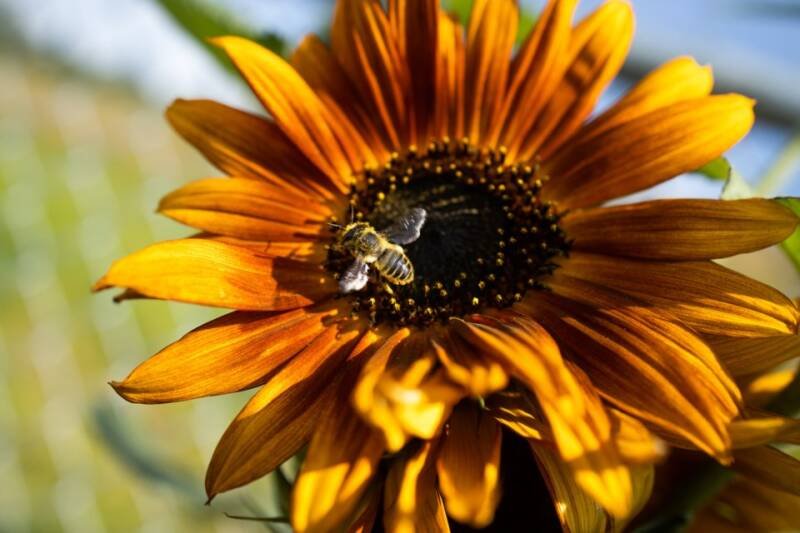



Learn about native bees and plants at a local workshop! Discover how they're essential for our ecosystem and how you can help them thrive.
A fascinating workshop focusing on the vital relationship between native bees and native plants is coming to Crossfield! The "Native Bees and Native Plants 101" workshop will take place on Thursday, April 9th, from 6:30 PM to 9:00 PM at the Crossfield Community Hall. This event promises to be an engaging opportunity to learn about the importance of pollinators and how you can contribute to their well-being.
The workshop will cover a range of topics, including:
This workshop isn't just about learning; it's about empowering you to take action and make a real difference in your local environment.
The decline of pollinator populations, including native bees, is a serious issue with far-reaching consequences. Pollinators are essential for the reproduction of many plants, including those that provide us with food. Without them, our food security is at risk, and our ecosystems suffer. Supporting native bee populations is a critical step in maintaining a healthy and thriving environment.
This workshop provides an accessible entry point for individuals to learn about these challenges and discover practical ways to contribute to solutions. It's an opportunity to connect with like-minded individuals and become part of a community dedicated to conservation.
The initiative to host such workshops is commendable. By focusing on education and hands-on activities, the organizers are making complex ecological concepts understandable and actionable for the general public. The inclusion of seed bomb making is a particularly clever way to engage participants and provide them with a tangible way to contribute to pollinator conservation.
In our opinion, targeting the local community is key. Every action, no matter how small, helps the bigger picture. Furthermore, this event highlights the importance of community-led initiatives in addressing environmental challenges.
The success of this workshop could inspire similar initiatives in other communities. By fostering a greater understanding of the importance of native bees and plants, we can create a ripple effect of positive change. This could impact local policies, gardening practices, and overall environmental awareness.
Looking ahead, it's crucial to continue supporting research and conservation efforts focused on native pollinators. This includes funding for habitat restoration, monitoring bee populations, and promoting sustainable agricultural practices. We should encourage local governments to implement policies that protect native bee habitats and promote the use of native plants in landscaping projects.
Furthermore, expanding educational programs to reach younger generations is vital. By instilling a love and appreciation for nature in children, we can ensure a future where pollinators are valued and protected.
Ultimately, the future of native bees and plants depends on our collective efforts. Workshops like this one are essential for raising awareness, empowering individuals, and building a community dedicated to conservation.
























