Medical Assistance in Dying (MAID) Access in BC Hospitals: A Growing Debate
The debate over mandatory MAID services in BC hospitals intensifies after a painful denial at a Catholic-run facility. Explore the legal challenge and future outlook.



The debate over mandatory MAID services in BC hospitals intensifies after a painful denial at a Catholic-run facility. Explore the legal challenge and future outlook.
The question of whether all major hospitals in British Columbia that receive provincial funding should be required to offer Medical Assistance in Dying (MAID) is sparking heated debate. This comes after a particularly poignant case involving a woman who was denied MAID at a Catholic-run hospital in Vancouver.
According to reports, the woman's mother describes her daughter's final hour as "unbearably painful" after being denied MAID at St. Paul's Hospital, a facility operated by Providence Health Care, which is guided by Catholic ethical and religious directives. A legal challenge is now being mounted against St. Paul's policies, with the mother stating that it is "built on her legacy."
This raises a critical question: Should religious beliefs override a patient's right to choose MAID when accessing publicly funded healthcare?
This case highlights a significant conflict between individual autonomy and institutional religious freedom within the healthcare system. If hospitals receiving public funds are permitted to deny MAID based on religious grounds, it creates barriers to access for eligible patients seeking end-of-life care options. This can lead to increased suffering and inequitable access to healthcare based on location and hospital affiliation.
The legal challenge could set a precedent for MAID access across British Columbia and potentially Canada, impacting future policy decisions and the rights of patients facing end-of-life decisions.
In our opinion, the core issue here is about ensuring equitable access to legal medical services. While respecting religious freedom is important, it shouldn't come at the expense of a patient's right to choose MAID, particularly when that hospital is funded by taxpayer dollars. It is reasonable to expect that publicly funded institutions provide a full spectrum of legal medical services, including MAID.
The denial of MAID based on religious grounds essentially transfers the responsibility of providing this service to other healthcare providers, potentially causing delays, increased costs, and unnecessary suffering for patients and their families. This could impact people in rural areas, where options are already limited.
It's important to acknowledge the complexities of this issue. Religious institutions often provide valuable healthcare services, especially to vulnerable populations. Mandating MAID provision could potentially lead to some religious healthcare providers withdrawing from the public system, which could create new access problems.
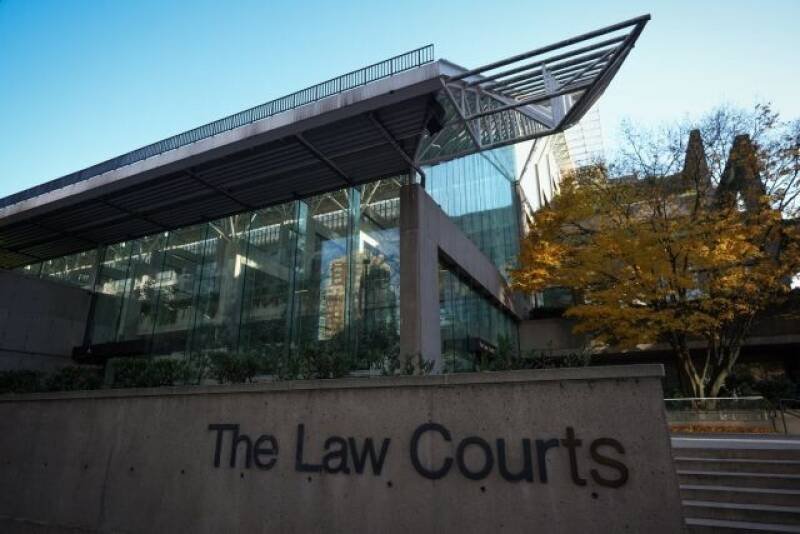
The legal challenge against St. Paul's Hospital policies will likely be a lengthy and closely watched process. The courts will need to balance the rights of patients with the religious freedoms of healthcare institutions. The outcome of this case could significantly shape future policies regarding MAID access in BC and beyond.
We anticipate increased public discourse on this issue, potentially leading to pressure on the provincial government to clarify its stance on MAID access in publicly funded hospitals. It is possible we will see legislation or policy changes aimed at ensuring more consistent access to MAID across the province.
This situation also highlights the need for clear and transparent communication regarding MAID policies at all hospitals, allowing patients to make informed decisions about their end-of-life care options. Further, the debate may necessitate increased funding and support for alternative MAID providers, ensuring equitable access, regardless of hospital affiliations.