Las Vegas Summer Travel at Risk: Rising Oil Prices and the Strait of Hormuz
Rising oil prices due to tensions in the Strait of Hormuz threaten summer travel to Las Vegas. Learn about the potential impact and future outlook.



Rising oil prices due to tensions in the Strait of Hormuz threaten summer travel to Las Vegas. Learn about the potential impact and future outlook.
Las Vegas, a city built on tourism and entertainment, could be facing a challenging summer. Rising oil prices, fueled by ongoing tensions in the Strait of Hormuz, are threatening to significantly impact travel costs, potentially deterring visitors and impacting the local economy.
The Strait of Hormuz is a narrow waterway connecting the Persian Gulf to the Gulf of Oman and the Arabian Sea. It's one of the world's most strategically important chokepoints for oil transit. A significant portion of the world's oil supply passes through this strait, making it vulnerable to geopolitical instability. Any disruptions in this area can lead to a rapid increase in global oil prices.
Recently, increased tensions and incidents in the Strait of Hormuz have raised concerns about potential disruptions to oil flow. These concerns are driving up oil prices, which, in turn, are reflected at the gas pump.
Patrick De Haan, lead petroleum analyst for GasBuddy, recently highlighted that rising fuel prices could affect summer travel across the U.S. However, he emphasized that Las Vegas and Southern Nevada are particularly vulnerable due to their reliance on tourism and car travel.
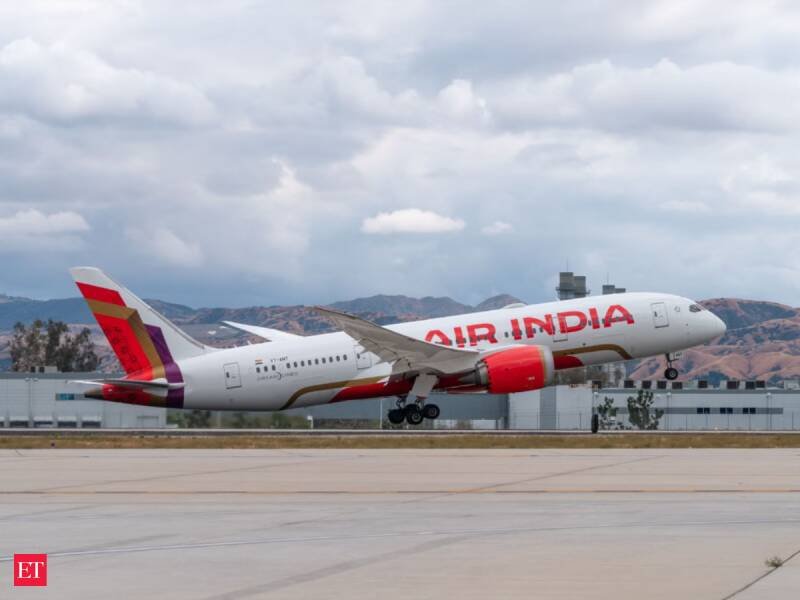
Higher gas prices mean more expensive road trips, which could make Las Vegas a less attractive destination for budget-conscious travelers. Airfares, which are already influenced by jet fuel costs, could also increase, further discouraging potential visitors.
This news is significant for several reasons:
In our opinion, the situation in the Strait of Hormuz presents a real and present danger to Las Vegas's summer tourism season. While it's impossible to predict the future with certainty, the current trend of rising oil prices is certainly cause for concern.
The impact could be twofold. Firstly, fewer people may choose to drive to Las Vegas, opting for closer or cheaper destinations. Secondly, even those who do visit may cut back on spending within the city to compensate for higher transportation costs. This could impact everything from gambling revenues to restaurant sales.
We believe that Las Vegas businesses should be prepared for a potential slowdown in tourism and consider strategies to mitigate the impact. This could include offering discounts and promotions to attract visitors, or focusing on attracting higher-spending tourists who are less sensitive to fuel prices.
The future outlook depends heavily on the geopolitical situation in the Strait of Hormuz. If tensions ease and oil flow stabilizes, prices could fall, alleviating the pressure on summer travel. However, if the situation deteriorates further, we could see even higher oil prices and a significant decline in tourism to Las Vegas.
Several factors could influence the situation:
Ultimately, the summer of 2024 in Las Vegas hangs in the balance. The fate of tourism, and indeed a part of the Las Vegas economy, is intertwined with events unfolding thousands of miles away in a volatile and uncertain region.