Indore LPG Rationing: Akshaya Tritiya Wedding Season
Indore introduces LPG rationing for commercial cylinders ahead of Akshaya Tritiya wedding season. Learn why this matters, our analysis, and the future outlook.



Indore introduces LPG rationing for commercial cylinders ahead of Akshaya Tritiya wedding season. Learn why this matters, our analysis, and the future outlook.
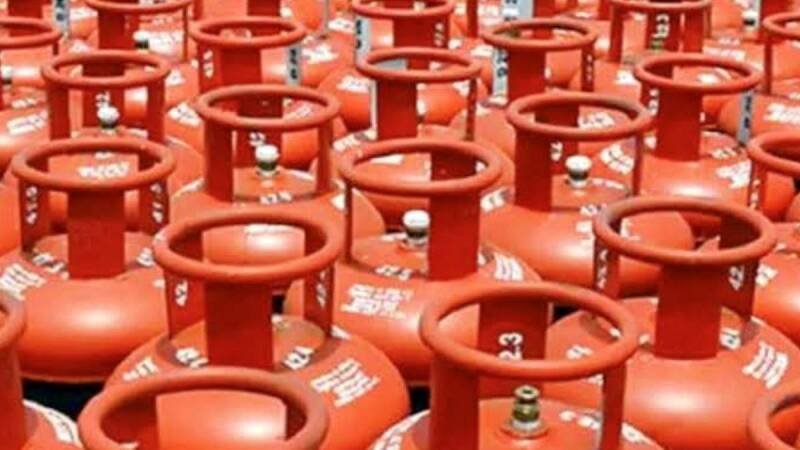
Indore, a bustling city in Madhya Pradesh, India, is bracing for a surge in demand for Liquefied Petroleum Gas (LPG) due to the upcoming Akshaya Tritiya wedding season. In response, the district administration has announced a rationing system for commercial LPG cylinders to ensure fair distribution and prevent potential shortages.
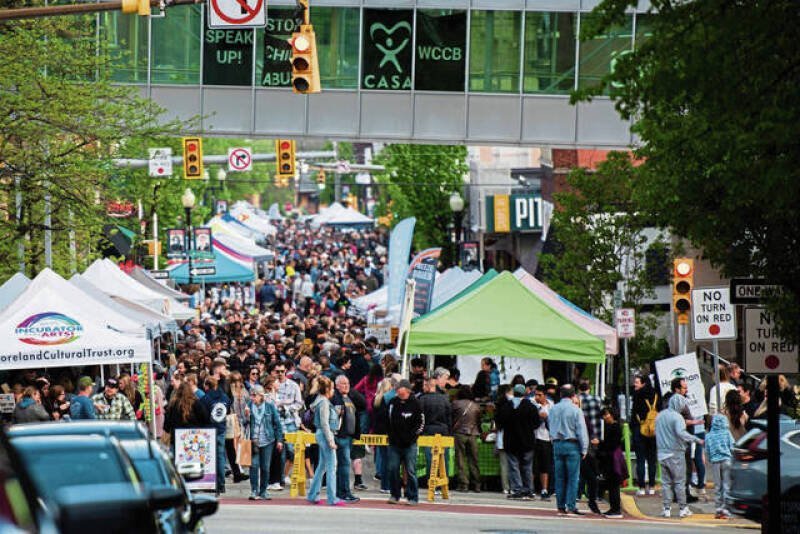
Akshaya Tritiya, a highly auspicious day for weddings in the Hindu calendar, traditionally sees a significant increase in marriage ceremonies. This, in turn, leads to a spike in demand for commercial LPG, primarily used by caterers, hotels, and banquet halls to prepare food for large gatherings.
The district administration has taken proactive steps to manage the increased demand. Here's what the plan entails:
This news is significant for several reasons:
In our opinion, the Indore administration's move is a preemptive measure designed to mitigate potential disruptions. While rationing may seem restrictive, it's a necessary step to ensure that essential services, such as wedding catering, aren't severely impacted by supply shortages. However, the success of this plan hinges on the effective implementation and monitoring by gas agencies.
It is crucial that the distribution process is transparent and accountable to prevent any black marketing or hoarding of LPG cylinders. Furthermore, the 10% quota might not be sufficient if the wedding season is exceptionally busy. Close monitoring and adjustments based on real-time demand will be essential.
The long-term solution to such situations lies in strengthening the LPG supply chain and improving demand forecasting. This could involve:
This could impact the way that caterers plan ahead. In the future, they may seek to adopt energy efficiency practices, to limit their dependence on commercial LPG. This could include use of modern more energy-efficient equipment that can save on gas consumption during peak periods.
Moving forward, we anticipate that other cities facing similar challenges may adopt similar rationing measures during peak seasons. It's a trend that reflects the growing importance of resource management and the need for proactive planning in the face of increasing demand.