Kolkata Liquor Stores Empty Shelves Before Election: What It Means
Kolkata liquor stores ran dry as citizens stocked up before election day. Learn why this happened, its impact, and what the future holds for alcohol sales in the region.



Kolkata liquor stores ran dry as citizens stocked up before election day. Learn why this happened, its impact, and what the future holds for alcohol sales in the region.
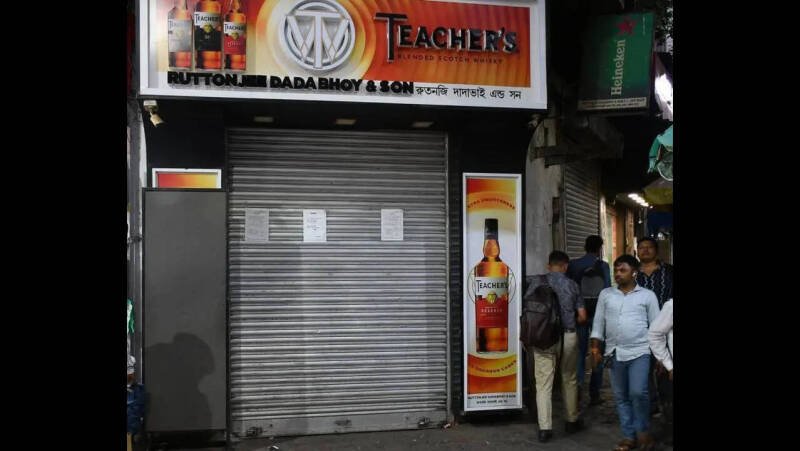
Kolkata witnessed a rush on liquor stores this past Saturday as thousands of residents flocked to off-shops in a last-minute scramble to purchase alcohol before the mandated 6 pm shutdown related to the upcoming election. Reports indicate that many stores completely exhausted their inventories, leaving shelves bare and eager customers empty-handed.
The surge in demand is a common phenomenon preceding elections in many parts of India. Election rules often impose restrictions on alcohol sales to maintain public order and prevent disruptions during the voting process. This anticipation of dry days invariably leads to a surge in pre-election purchases.
This isn't unique to Kolkata or even West Bengal. Across the country, similar scenes play out before election days. People simply want to ensure they have their preferred beverages on hand during the period when liquor stores are closed.
This seemingly simple news event has broader implications. It highlights several key aspects of consumer behavior, election regulations, and the dynamics of the liquor retail market:
In our opinion, the events in Kolkata underscore the need for better planning and communication from both regulatory bodies and retailers. While the intention behind the alcohol ban is understandable – maintaining order during elections – the sudden rush and resulting shortages could be mitigated.
Better forecasting of demand is essential. Retailers, informed by historical data from previous elections, can proactively increase their stock levels in anticipation of the pre-election rush. This could involve working closely with distributors to ensure a sufficient supply of alcohol.
Furthermore, clear and timely communication from election authorities regarding the duration and scope of alcohol sales restrictions can help consumers plan their purchases more effectively, reducing the likelihood of panic buying.
The temporary closure of liquor stores also has implications for state excise revenue. Alcohol sales contribute significantly to state government coffers. Extended dry days, while intended to promote order, can impact revenue streams. Therefore, balancing law enforcement with economic considerations is crucial.
Looking ahead, several factors could influence alcohol sales and consumer behavior in Kolkata and West Bengal:
This could impact smaller, independent liquor stores, potentially forcing them to adapt their business models to compete with larger chains.
Ultimately, the pre-election rush on liquor stores in Kolkata serves as a reminder of the complex interplay between regulation, consumer behavior, and the retail market. Proactive planning, effective communication, and a balanced approach to law enforcement and economic considerations are essential for managing such events effectively.