Ketamine Seizure in Thailand: What it Means for Drug Trafficking
Thai authorities seized a large ketamine shipment near the Mekong River. This article explains the implications and future outlook for drug trafficking in the region.
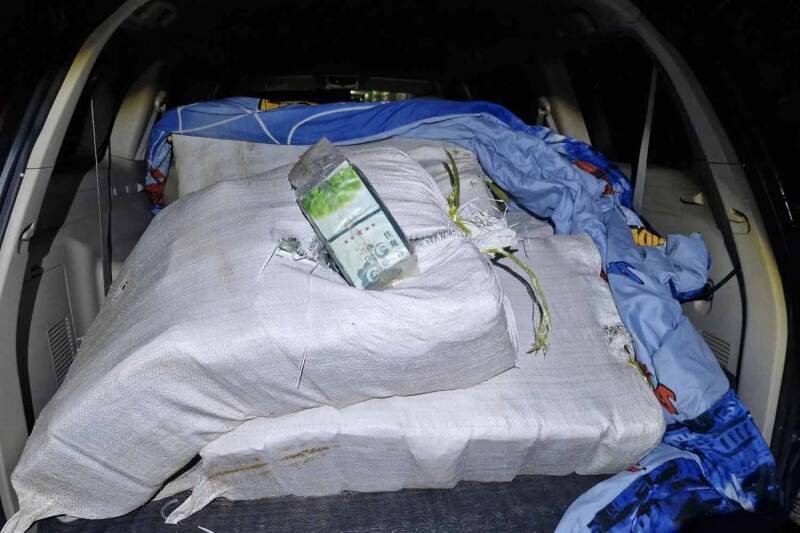



Thai authorities seized a large ketamine shipment near the Mekong River. This article explains the implications and future outlook for drug trafficking in the region.
In a significant blow to drug trafficking operations, Thai paramilitary rangers intercepted a large shipment of ketamine worth an estimated 40 million baht (approximately $1.1 million USD) near the Mekong River. The operation resulted in the arrest of four individuals – three men and one woman – who were allegedly attempting to smuggle 200 kilograms of the illicit drug into Thailand.
The seizure took place in the Nakhon Phanom province, a region bordering Laos along the Mekong River. This area is known to be a hotspot for smuggling activities due to its porous borders and the ease with which goods can be transported across the river. While the exact details of the operation haven't been fully disclosed, it is likely that the rangers were acting on intelligence, possibly from informants or through surveillance of known smuggling routes.
Ketamine, while used legally as an anesthetic, is also a popular recreational drug, particularly in party scenes. Its effects can range from euphoria and hallucinations to impaired motor function and even respiratory problems. The large quantity seized suggests that the intended destination was likely not limited to local users, and the shipment may have been intended for distribution in larger cities or even export to other countries.
This drug bust is significant for several reasons:
In our opinion, this ketamine seizure is a victory for Thai authorities, but it also reveals deeper challenges. The sheer quantity of the drugs intercepted indicates a sophisticated and well-organized smuggling operation. This suggests that the individuals arrested are likely part of a larger criminal network with significant resources and connections.
The location of the seizure, near the Mekong River, further emphasizes the vulnerability of Thailand's borders. The river's length and the numerous crossing points make it difficult for law enforcement to effectively monitor and control all traffic. This is further complicated by the involvement of local communities, some of whom may be complicit in smuggling activities due to economic hardship or other factors.
Ketamine's dual nature as a legitimate medical drug and a recreational substance complicates enforcement efforts. This could impact resource allocation and the specific tactics used by the smugglers.
The fight against drug trafficking in Thailand and the Mekong region is likely to continue for the foreseeable future. Several factors contribute to this ongoing challenge:
Moving forward, Thailand will likely need to strengthen its border security, enhance intelligence gathering, and work closely with neighboring countries to combat drug trafficking effectively. This could involve increased patrols, the use of advanced technology, and community outreach programs to discourage local involvement in smuggling activities.
This could impact the daily lives of citizens living near the borders, and it's crucial that new policies and strategies are implemented in a way that respects human rights and promotes sustainable development in these vulnerable regions. The success of these efforts will depend on a multi-faceted approach that addresses both the supply and demand sides of the drug trade.