Kelowna Vaisakhi Celebration: Thousands Gather, Community Strong
Thousands celebrated Vaisakhi in Kelowna. Learn about the festival's significance, community impact, and future outlook. Our analysis of the vibrant cultural event.
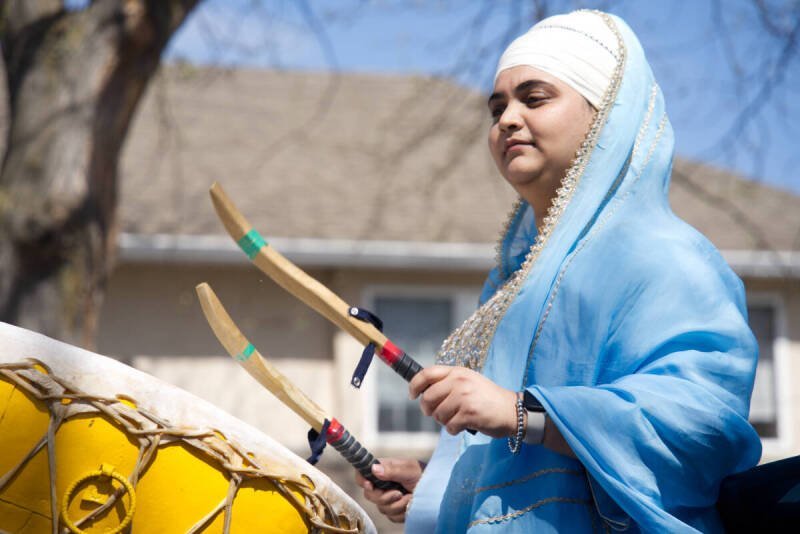



Thousands celebrated Vaisakhi in Kelowna. Learn about the festival's significance, community impact, and future outlook. Our analysis of the vibrant cultural event.
Thousands of people gathered in Kelowna on Saturday, April 25th, to celebrate Vaisakhi, marking the 13th annual celebration of this important Sikh festival in the Okanagan region. The event was a vibrant display of culture, faith, and community spirit.
Vaisakhi, also spelled Baisakhi, holds immense significance for the Sikh community. It marks the Sikh New Year and commemorates the formation of the Khalsa Panth in 1699 by Guru Gobind Singh. The Khalsa is the collective body of initiated Sikhs, representing a commitment to a strict code of conduct and a dedication to serving humanity. Vaisakhi is also a harvest festival in the Punjab region of India, celebrating the abundance of the land and the hard work of farmers.
The Kelowna Vaisakhi celebration included traditional music, colorful processions, and the sharing of Langar, a free community kitchen offering a vegetarian meal to all attendees. Families, friends, and members of the broader community came together to participate in the festivities and learn more about Sikh culture and traditions.
The Kelowna Vaisakhi celebration is more than just a party; it's a demonstration of the rich cultural tapestry that makes up Canadian society. It provides an opportunity for the Sikh community to share their heritage with others and promotes understanding and inclusivity. These types of events help build bridges between different cultural groups and create a stronger, more unified community for everyone.
The consistently high attendance at the Kelowna Vaisakhi celebrations year after year speaks volumes about the strength and vibrancy of the Sikh community in the Okanagan. In our opinion, the event’s success is a testament to the community's commitment to preserving its cultural heritage and sharing it with others. The emphasis on selfless service (Seva) through Langar is a powerful example of the values that underpin Sikhism and its positive contribution to society.
The festival contributes to the local economy by attracting visitors and supporting local businesses. However, the true value lies in its social impact. It strengthens community bonds, promotes cultural understanding, and provides a space for individuals to connect with their heritage. This event likely contributes positively to social cohesion within the area.
We anticipate that the Kelowna Vaisakhi celebration will continue to grow in popularity and importance in the years to come. As the Sikh community in the Okanagan expands, the event will likely evolve to incorporate new elements and attract an even wider audience. We believe that continued support from local authorities and community organizations will be crucial to ensure the long-term success of the festival.
Despite the overwhelmingly positive outlook, there are potential challenges that need to be addressed. These include ensuring adequate resources to manage the growing crowds, maintaining the authenticity of the cultural traditions being showcased, and proactively addressing any misconceptions or prejudices that may exist about Sikhism. Effective communication and collaboration between the organizers, local government, and the community are essential to overcome these challenges.
There are several opportunities to further enhance the Kelowna Vaisakhi celebration. These include:
By embracing these opportunities, the Kelowna Vaisakhi celebration can solidify its position as a leading cultural event in the Okanagan and a shining example of community spirit and inclusivity. This could impact tourism and other festivals that celebrate the diversity of Canada.
























