KB Home Moves Headquarters to Arizona: What This Means for the Housing Market
KB Home, a $3B builder, is relocating from California to Arizona. We analyze the implications for the housing market, affordability, and future trends.



KB Home, a $3B builder, is relocating from California to Arizona. We analyze the implications for the housing market, affordability, and future trends.
KB Home, a major player in the homebuilding industry with a $3 billion market capitalization, has announced it's moving its corporate headquarters from Los Angeles, California, to Tempe, Arizona. This relocation, slated for spring 2027, signifies more than just a change of address. It reflects a shifting landscape in the U.S. housing market, driven by factors like cost, population growth, and regulatory environments.
KB Home states that the move will consolidate executive leadership and key corporate functions into a "more centralized, lower-cost operating environment." While the company emphasizes its continued presence in California, particularly in San Bernardino County, the decision highlights a broader trend: large homebuilders are increasingly focusing their resources on regions offering better opportunities.
The relocation is partly a response to margin compression in recent years. By moving to Arizona, KB Home aims to reduce operational costs and improve efficiency. In our opinion, this is a smart move that reflects the need for builders to adapt to a changing economic climate.
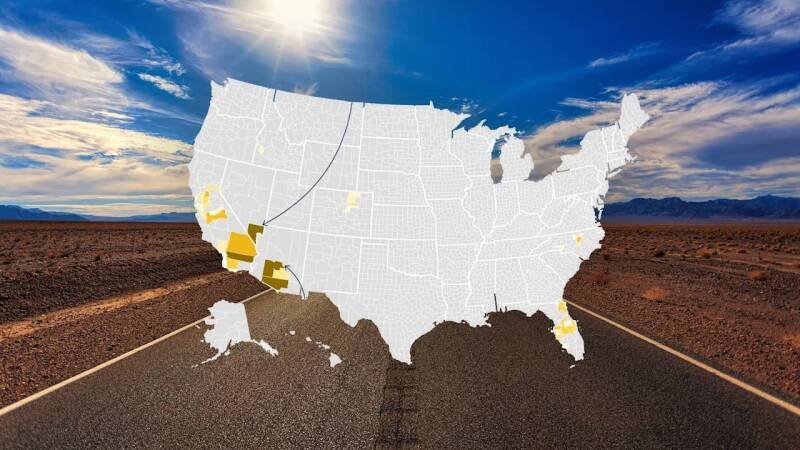
The move underscores a significant shift in the geographic center of U.S. homebuilding. A decade ago, KB Home built significantly more homes in Los Angeles County than in Maricopa County, Arizona. Today, the situation is reversed, with annual home closings in Maricopa County being nearly eight times higher than those in Los Angeles County. This clearly illustrates a migration of building activity.
This move is important because it highlights key trends in the housing market:
KB Home's decision is a strategic one, driven by a combination of factors. The pursuit of lower costs and a more favorable regulatory environment are understandable motivations. However, this move also signals a potential long-term shift away from California, a state that has historically been a major housing market. This could impact the California housing market by potentially slowing down new construction and driving up prices in certain areas. We believe that other major builders may follow suit, further accelerating this trend.
The ResiClub map, highlighting core homebuilding markets, correlates with areas experiencing higher active inventory compared to pre-pandemic levels. This suggests that increased new home supply can put downward pressure on home prices, particularly in markets where builders offer incentives to maintain sales.
Our analysis shows a correlation between recent single-family permitting levels and active inventory climbing above pre-pandemic levels. This means that areas with more new construction are also seeing increased inventory, potentially leading to a cooling effect on the resale market as buyers opt for new homes with better deals.
Looking ahead, we can expect to see continued growth in homebuilding activity in states like Arizona, Texas, and Florida. These regions offer a combination of population growth, land availability, and a favorable regulatory environment that appeals to homebuilders. This could impact the national housing market by shifting the focus of new construction away from coastal markets and towards the Sun Belt. Ultimately, this shift could lead to more affordable housing options in these growing regions. It is also possible that California will address its regulatory issues and land availability challenges to compete for homebuilding activity.
In conclusion, KB Home's move to Arizona is a significant event that reflects deeper trends in the U.S. housing market. It highlights the importance of cost, regulation, and population growth in shaping the future of homebuilding and could have lasting impacts on both California and Arizona.
























