Kathmandu Squatter Resettlement Plan: Opportunity or Displacement?
Kathmandu Mayor Balendra Shah's renewed push to remove squatters. Will it succeed, or displace vulnerable communities? We analyze the plan, its impacts, and the future outlook.
Kathmandu Mayor Doubles Down on Squatter Resettlement: A New Chapter?
Kathmandu's Mayor, Balendra Shah, is once again focusing on the long-standing issue of informal settlements and squatters residing on public land. Shah, who previously attempted similar actions, is now leveraging his position to push for the demolition of structures deemed to be illegally built on encroached land. The plan, as outlined by the authorities, involves relocating families currently residing in these settlements.
The Core of the Issue: Encroachment and Informal Settlements
For years, Kathmandu, like many rapidly urbanizing cities, has grappled with the growth of informal settlements. These settlements often lack basic amenities like sanitation, clean water, and secure housing. They also frequently occupy land designated for other purposes, such as riverbanks, public parks, or roadways. The government views these settlements as illegal encroachments hindering urban development.
The Government's Plan: Demolition and Relocation
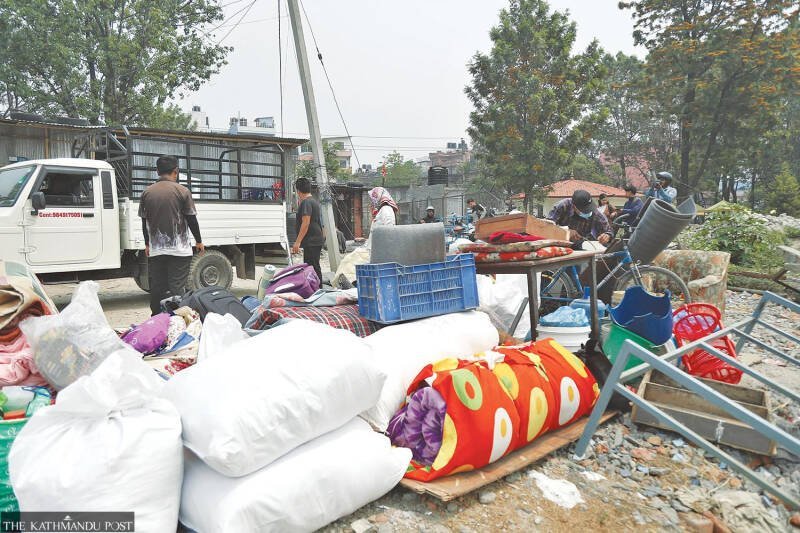
The current plan centers around demolishing structures built on what the government considers illegally occupied land. This includes homes and businesses within these informal settlements. Simultaneously, the government is promising to relocate the displaced families. The devil, however, is always in the details.
Why This News Matters
This news is significant because it directly impacts the lives of thousands of vulnerable people living in Kathmandu's informal settlements. It also highlights the complex challenges of urban development, balancing the need for planned growth with the rights and needs of marginalized communities. The way this situation is handled will set a precedent for future urban planning and social justice initiatives in Nepal. Furthermore, it’s a political hot potato. How Shah handles this could make or break his political career.
Our Analysis
The success of this initiative hinges on several factors. Most importantly, the government must provide adequate and sustainable resettlement options for the displaced families. This means ensuring access to essential services, including housing, healthcare, education, and employment opportunities. Simply relocating people without addressing these underlying needs will only perpetuate the cycle of poverty and marginalization.
In our opinion, the plan, while well-intentioned on the surface, appears to lack concrete guarantees for the resettlement process. Critics rightly point out the absence of clear timelines, detailed budgets, and transparent selection criteria for the relocation sites. There is a distinct lack of clarity regarding the long-term sustainability of these resettlement communities.
It's essential to consider the human cost of these actions. Demolishing homes, even if they are technically illegal, can have devastating emotional and economic consequences for the families involved. The government needs to adopt a compassionate and inclusive approach, prioritizing dialogue and collaboration with the affected communities. They should offer viable alternatives and ensure that the relocation process is conducted in a fair and transparent manner.
This could impact Shah's political career if handled poorly. A forced eviction resulting in homelessness and further marginalization could severely damage his reputation. A successful, humane resettlement, however, could solidify his position as a leader capable of tackling tough urban challenges.
Future Outlook
The future of this initiative remains uncertain. The next few months will be crucial in determining whether the government can successfully implement its plan while upholding the rights and dignity of the affected communities.
Here are some key factors to watch:
- Resettlement Plan Details: The government needs to release detailed plans outlining the location, amenities, and affordability of the resettlement sites.
- Community Engagement: Meaningful dialogue and collaboration with the residents of the informal settlements are essential for a successful outcome.
- Transparency and Accountability: The government must be transparent in its decision-making process and accountable for ensuring the well-being of the displaced families.
- Legal Challenges: It’s highly likely that legal challenges will be filed against the demolitions, potentially stalling or modifying the government’s plans.
Ultimately, the success of this initiative will depend on the government's ability to balance the need for urban development with the social and economic well-being of its citizens. A failure to do so could lead to further social unrest and deepen the existing inequalities within Kathmandu. It is a high-stakes situation with potentially far-reaching consequences.