Maine Governor Vetoes Data Center Ban: Impact on AI and Energy
Maine Governor Janet Mills vetoed a bill proposing a temporary ban on large data centers. Understand the implications for AI development, energy consumption, and Maine's economy.
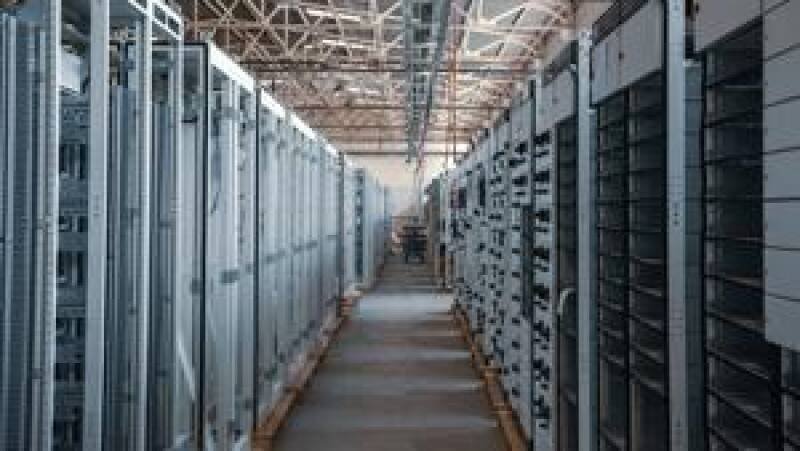



Maine Governor Janet Mills vetoed a bill proposing a temporary ban on large data centers. Understand the implications for AI development, energy consumption, and Maine's economy.
Maine Governor Janet Mills has vetoed a bill that sought to temporarily ban the construction of large data centers in the state. This bill, recently passed by the Maine Legislature, aimed to place a moratorium on data centers requiring more than 20 megawatts of power until November. The intent was to provide the state time to study the potential impact of these energy-intensive facilities.
The proposed legislation sought to make Maine the first state in the nation to implement a temporary ban specifically targeting data centers that consume significant amounts of electricity. The 20-megawatt threshold was designed to primarily affect data centers supporting AI and other computationally demanding applications.
This veto has significant implications for several areas:
In our opinion, Governor Mills' veto reflects a pragmatic approach to economic development. While the concerns about energy consumption and environmental impact are valid, a complete ban could stifle innovation and economic growth. Maine, like many states, is trying to find the right balance between attracting tech investment and promoting sustainability.
The legislation likely stemmed from concerns about the rapid growth of AI and the associated demand for computing power. Data centers are indeed energy-hungry, and some rely on non-renewable sources of electricity. However, many companies are actively seeking to power their data centers with renewable energy, and technology is constantly improving to make these facilities more efficient. A moratorium, in our view, is a blunt instrument that may not be the best solution.
This decision highlights the tension between economic opportunity and environmental responsibility. Data centers represent significant investment and job creation potential, but they also raise questions about energy usage, resource consumption, and their impact on the environment. Finding a path that allows for responsible growth is crucial.
The issue of data center development in Maine is far from settled. The veto means that data center projects can continue to move forward, but the debate will likely continue in the legislature and among the public.
Here are some potential future developments:
This could impact Maine's attractiveness as a location for new technology businesses. While a moratorium might have deterred investment, the lack of clear guidelines and regulations could also create uncertainty for developers. In our opinion, a clear and predictable regulatory environment is essential for fostering sustainable growth in the data center sector.
Ultimately, Maine, like many other states, will need to develop a comprehensive strategy for managing the growth of data centers in a way that balances economic benefits with environmental concerns. This strategy should involve collaboration between government, industry, and the public.
























