Judge Blocks Trump's College Admissions Rule: What It Means
A federal judge halts Trump's rule targeting race in college admissions. We break down the legal challenge, its impact, and future implications.
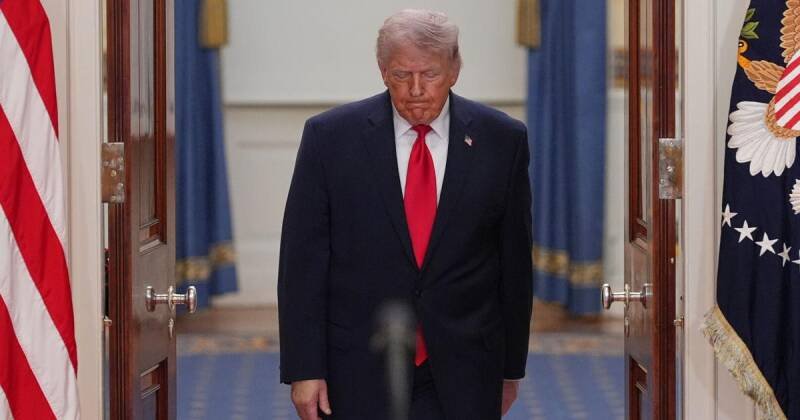



A federal judge halts Trump's rule targeting race in college admissions. We break down the legal challenge, its impact, and future implications.
A federal judge has temporarily blocked a rule enacted during the Trump administration that aimed to prevent colleges and universities from considering race, even indirectly, in their admissions processes. This ruling brings a pause to a policy that sought to heavily scrutinize how institutions assess applicants and their potential to contribute to a diverse student body.
The Trump administration raised concerns that some colleges were using methods, such as personal essays, extracurricular activities, and sometimes even zip codes, as a way to essentially consider race without explicitly stating it. They viewed this as a form of illegal discrimination, arguing that all students should be judged solely on their individual merit, regardless of their racial background.
The rule required institutions to prove they weren't considering race in any form. Many saw this as a direct challenge to affirmative action policies, even those that are designed to comply with existing Supreme Court rulings on the matter.
Several organizations and states challenged the Trump-era rule, arguing that it would make it more difficult for colleges to create diverse student bodies and that it could negatively impact the educational experience for all students. They argued that diversity contributes to a richer learning environment and prepares students for a diverse workforce and society.
This lawsuit claims that the rule oversteps the bounds of federal authority and infringes on the autonomy of colleges and universities to determine their own admissions policies, within the confines of existing law.
This ruling has significant implications for the future of college admissions in the United States. For decades, affirmative action policies, although often challenged and modified by the courts, have aimed to create more diverse student bodies. This Trump-era rule was a direct challenge to that principle, and its temporary blockage keeps those affirmative action policies in place for now.
The debate around affirmative action touches on fundamental questions of fairness, equality, and opportunity. Supporters argue that it's necessary to address historical disadvantages faced by minority groups, while opponents contend that it leads to reverse discrimination and that admissions should be based solely on merit.
In our opinion, the judge's decision to halt the Trump-era rule is a significant victory for those who believe in the importance of diversity in higher education. The rule, as it was written, placed an undue burden on colleges and universities to prove a negative - that they were not considering race. This could have had a chilling effect on efforts to create diverse and inclusive learning environments.
Furthermore, we believe that the argument that diversity enhances the educational experience is a valid one. Students benefit from interacting with individuals from different backgrounds and perspectives, which prepares them for the complexities of a globalized world.
This is likely not the end of the legal battle. The case is still ongoing, and the Trump administration (or its supporters) could appeal the judge's decision. However, with a new administration in power, the future of the rule is uncertain. The Biden administration may choose to rescind the rule altogether or modify it significantly.
This could impact not only college admissions policies but also the broader national conversation about race, equality, and opportunity. We expect to see continued debate and legal challenges related to affirmative action and other efforts to promote diversity in higher education.