Jet Fuel Price Hike: Impact on Airlines and Passengers
Jet fuel prices surge again! We break down the latest 12.26% increase, its impact on airlines, potential fare hikes, and the future outlook for air travel costs.
Jet Fuel Price Soars Again: What It Means for Your Next Flight
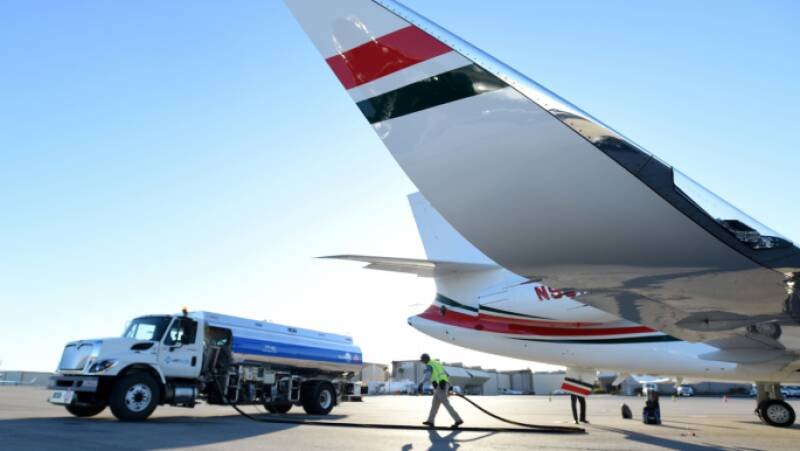
The cost of flying is about to get a little higher. Starting today, jet fuel, also known as Aviation Turbine Fuel (ATF), has increased by a significant 12.26%. This price hike directly impacts airlines and, ultimately, passengers like you.
Another Hike in Under a Month
This latest increase is the *third* in less than a month. This rapid escalation in fuel costs is putting significant pressure on airlines already navigating a complex economic landscape. Fuel represents a significant portion of an airline's operating expenses, often the largest single cost. A sudden surge like this forces airlines to make tough decisions.
Think of it this way: every time the price of jet fuel goes up, it's like the grocery bill for your favorite restaurant suddenly increases. They can either absorb the cost (potentially impacting profits), reduce the quality of ingredients, or pass the cost on to customers through higher prices. Airlines face a similar dilemma.
Why This News Matters
This jet fuel price increase isn't just a headline; it has tangible consequences for anyone who flies. Here's why you should care:
- Potential Fare Hikes: Airlines are likely to pass on at least some of these increased costs to passengers in the form of higher ticket prices. Expect to see airfares inching upwards in the coming weeks and months.
- Impact on Airline Profitability: Airlines operating on tight margins may struggle to absorb these costs, potentially leading to reduced service offerings or even financial difficulties for some carriers.
- Fuel Surcharges May Return: You might see the reintroduction of fuel surcharges on tickets. These were common in the past when fuel prices fluctuated dramatically and were a direct way for airlines to recoup those costs.
- Regional Connectivity Concerns: Smaller airlines operating regional routes, which often have lower profit margins, could be particularly vulnerable, potentially impacting connectivity to smaller cities and towns.
Our Analysis
In our opinion, this jet fuel price hike is a significant blow to the aviation industry. While airlines have become adept at managing costs, absorbing a 12.26% increase, especially after two prior increases, is a tough ask. We believe that passengers will inevitably feel the pinch through increased fares, especially on routes that are already popular and have limited competition.
Furthermore, this could impact the accessibility of air travel for budget-conscious travelers. Those who rely on finding the cheapest flights may find fewer options available, as airlines look to recoup their increased expenses.
Future Outlook
The future direction of jet fuel prices, and thus air travel costs, depends on a complex interplay of global factors. These include:
- Crude Oil Prices: Jet fuel is derived from crude oil, so fluctuations in crude oil prices directly impact ATF prices. Geopolitical events, production cuts, and global demand all influence crude oil prices.
- Refining Capacity: The capacity of refineries to process crude oil into jet fuel can also affect prices. Shortages in refining capacity can lead to higher jet fuel prices, even if crude oil prices remain stable.
- Geopolitical Instability: Conflicts and political tensions can disrupt oil supplies and drive up prices.
- Government Policies: Taxes and regulations on fuel can also significantly impact prices.
Looking ahead, we anticipate continued volatility in jet fuel prices. Airlines will need to remain agile and adapt to these fluctuations, potentially through hedging strategies, fuel-efficient aircraft, and dynamic pricing models.
It's also possible that airlines will explore alternative fuels, such as sustainable aviation fuels (SAF), to reduce their reliance on traditional jet fuel and mitigate the impact of price increases. However, the widespread adoption of SAF is still some years away due to limited availability and higher costs.
Ultimately, the increase in jet fuel prices underscores the interconnectedness of the global economy and the challenges facing the aviation industry in a volatile world. Passengers should be prepared for potentially higher fares and plan their travel accordingly. In our opinion, being flexible with travel dates and considering alternative airports could help mitigate the impact of these rising costs.