Is the US Conflict with Iran Heading Towards Another Iraq War? Analysis and Future Outlook
Examining the similarities between the current US-Iran tensions and the 2003 Iraq War, including shifting objectives, military dominance, and the desire for a quick exit. Our analysis and future outlook included.
Is the US Conflict with Iran Heading Towards Another Iraq War?
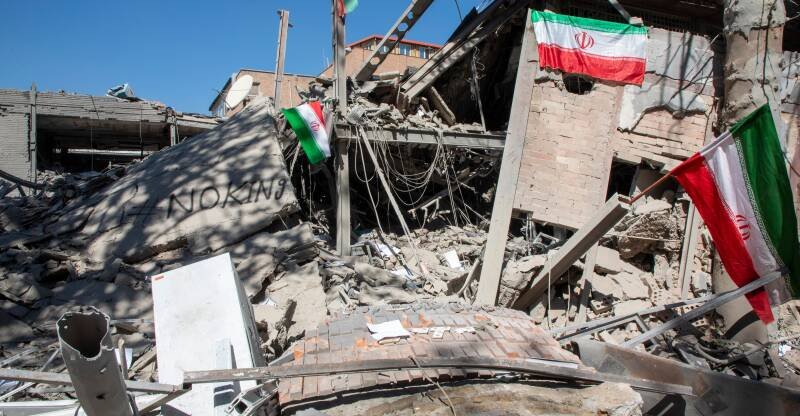
Tensions between the United States and Iran have been simmering for years, and many observers are now drawing parallels between the current situation and the lead-up to the 2003 Iraq War. Is this a valid comparison? Let's break down the key similarities and differences to understand where things might be heading.
Echoes of the Past: Shared Characteristics
Several aspects of the current situation bear a striking resemblance to the run-up to the Iraq War. These include:
- Conventional Military Dominance: The US military holds a clear advantage in conventional warfare capabilities over both Iraq in 2003 and Iran today.
- Shifting and Ambiguous Objectives: In Iraq, the initial justification for the invasion (weapons of mass destruction) proved false, leading to a broader, less defined mission. Similarly, the US strategy towards Iran appears to lack clearly defined and consistent goals, oscillating between containing Iran's nuclear ambitions, curbing its regional influence, and regime change.
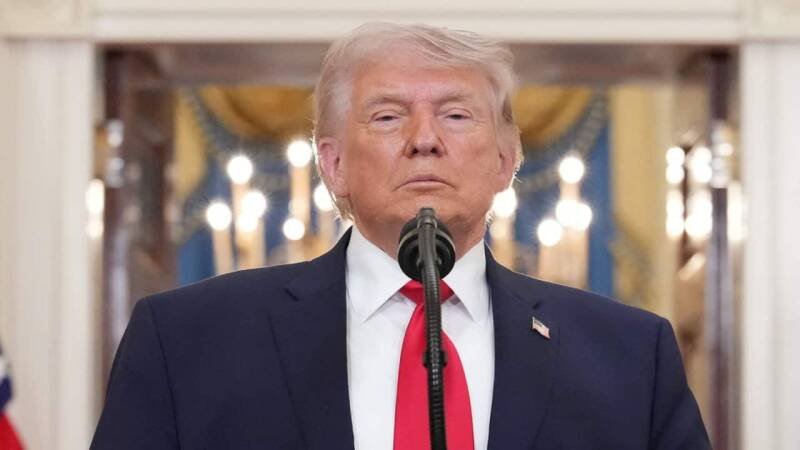
- Desire for a Quick Exit: Just as President George W. Bush was eager to declare "mission accomplished" in Iraq, there are signs that the US desires to de-escalate the conflict with Iran, even without achieving all stated objectives. President Trump, in particular, has emphasized reducing America’s involvement in foreign wars.
The Key Question
Are these similarities enough to suggest that the US is heading towards another protracted and costly conflict in the Middle East? Let's delve deeper.
Why This News Matters
Understanding the parallels between the current US-Iran situation and the Iraq War is crucial for several reasons:
- Avoiding Past Mistakes: By examining the lessons learned (or not learned) from the Iraq War, policymakers can hopefully avoid repeating costly strategic and tactical errors.
- Informed Public Discourse: A clear understanding of the risks and potential consequences of escalation with Iran is essential for informed public debate and democratic decision-making.
- Regional Stability: A miscalculation or escalation in the US-Iran conflict could have devastating consequences for the entire Middle East, leading to further instability and humanitarian crises.
Our Analysis
In our opinion, while the parallels to the Iraq War are concerning, there are also significant differences. Iran is a more complex and formidable adversary than Iraq was in 2003. It has a stronger military, a more sophisticated political system, and a greater capacity to inflict damage on US interests through asymmetric warfare, including cyberattacks and support for proxy groups.
Furthermore, the international context is different. There is less international support for aggressive action against Iran compared to the coalition that formed for the Iraq War. Many countries are wary of further destabilizing the region and are actively seeking diplomatic solutions.
However, the lack of a clear, coherent strategy from the US side is a major cause for concern. The shifting objectives and the desire for a quick exit could lead to a situation where the US takes military action without a well-defined endgame, potentially leading to unintended consequences and a protracted conflict. This could impact the US economy and international standing.
Future Outlook
The future of US-Iran relations remains highly uncertain. Several possible scenarios could unfold:
- De-escalation through Diplomacy: This is the most desirable outcome, involving negotiations between the US and Iran, potentially mediated by other countries, leading to a new agreement that addresses concerns about Iran's nuclear program and regional activities.
- Limited Military Confrontation: This could involve targeted strikes against Iranian military assets or support for proxy groups, without a full-scale invasion. This approach carries the risk of escalation.
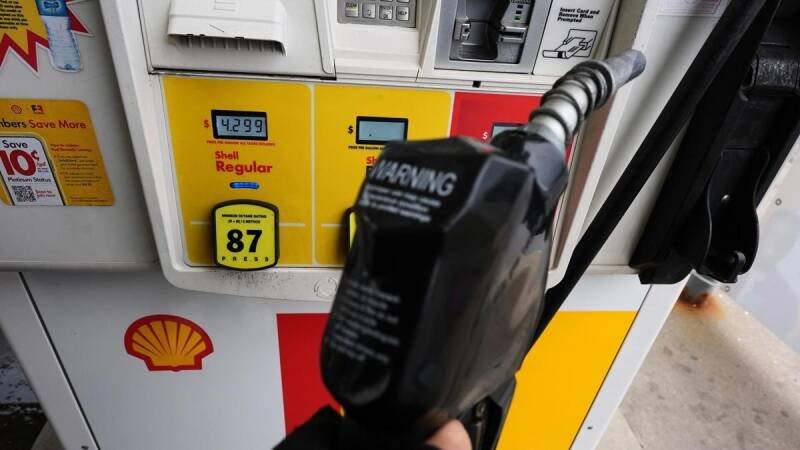
- Full-Scale War: While less likely, a full-scale war between the US and Iran would have catastrophic consequences for the region and the world. It could lead to widespread instability, a humanitarian crisis, and a significant disruption to global energy markets.
In our opinion, the most likely scenario is a continuation of the current state of heightened tension, punctuated by periods of de-escalation and escalation. The key will be whether the US and Iran can find a way to communicate and manage their differences without resorting to military force. The risks of miscalculation are high, and the consequences could be dire.