Iran's Potential New Leader: Mojtaba Khamenei's Rise
Mojtaba Khamenei, son of Iran's Supreme Leader, is a possible successor. Learn about his growing influence and potential challenges.
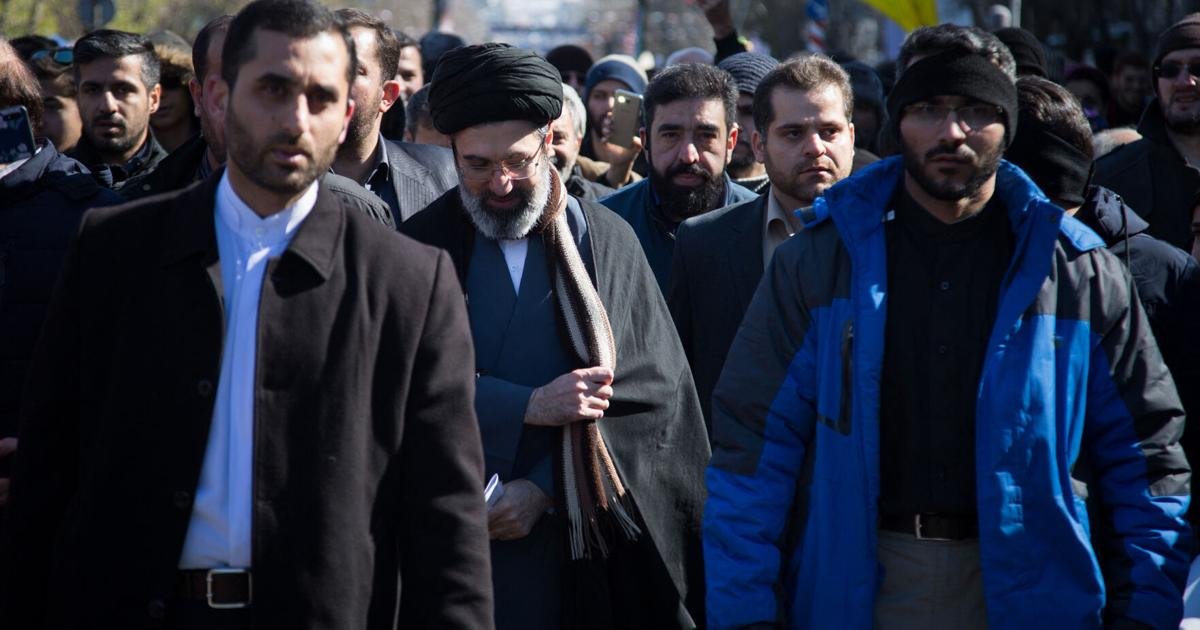



Mojtaba Khamenei, son of Iran's Supreme Leader, is a possible successor. Learn about his growing influence and potential challenges.
For over half a century, Mojtaba Khamenei, now 56, has maintained a relatively quiet presence within Iran's Islamic Republic. However, behind the scenes, he has been strategically developing connections across different sectors of Iranian society. These connections span the security forces, religious leaders, and powerful business figures. The significance of this network is that Mojtaba is a potential successor to his father, Ali Khamenei, the current Supreme Leader of Iran. This behind-the-scenes work helps bolster his possible claim to the throne.
Mojtaba Khamenei's influence-building strategy has focused on cultivating relationships within key pillars of Iranian power. This suggests a deliberate effort to position himself as a viable candidate to take over the reins of power. For example, having allies in the security apparatus means that if there is opposition, he may be better equipped to defend himself. Further support from the clergy and wealthy business elite would similarly provide support to his position.
Assuming the role of Supreme Leader comes with substantial challenges. The Supreme Leader of Iran is in charge of the armed forces, the judiciary and the state media and so has massive power. Potential leaders face domestic discontent, as well as external pressures from countries like the United States and Israel. The weight of these responsibilities makes any transition a delicate and critical time for Iran. It also means that whoever ascends to power needs to be prepared to confront both internal issues and international relationships.
A leadership transition in Iran could have significant implications both domestically and internationally. Domestically, it could shift the balance of power between different political factions. Internationally, it could alter Iran's relationship with other countries, especially concerning nuclear agreements and regional conflicts. The rise of Mojtaba could therefore affect many areas of the political landscape.