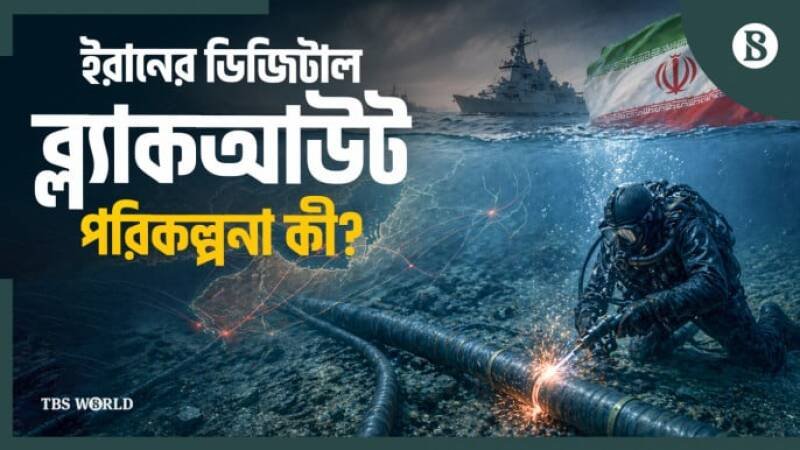
Iran Threatens Undersea Internet Cables: Understanding the Implications
Iran is reportedly threatening undersea internet cables in the Persian Gulf. Learn about the potential impact on global internet connectivity, the reasons behind the threat, and what the future holds.
Iran's Threat to Undersea Internet Cables: A Deep Dive
Recent reports suggest a potential threat from Iran targeting undersea internet cables located in the Persian Gulf. This raises serious concerns about the stability and security of global internet infrastructure. But what does this mean, and why should you care?
What's Happening?
The news indicates that Iran may be considering actions that could disrupt or damage the vital undersea cables that crisscross the Persian Gulf. These cables are the backbone of international internet connectivity, carrying massive amounts of data between Asia, Europe, and Africa. Any significant disruption could have far-reaching consequences.
Imagine a world where your internet speed grinds to a halt, international phone calls become unreliable, and essential financial transactions are delayed or blocked. This is the kind of scenario that could unfold if these critical cables are damaged.
Why are Undersea Cables so Important?
Undersea cables are responsible for transmitting over 95% of the world's internet traffic. Satellites, while useful, simply don't have the capacity to handle the sheer volume of data required for modern communication. These cables are generally made of fiber optic strands, protected by layers of insulation and steel. They are laid on the seabed and connect continents, allowing for instant communication and data transfer across the globe.
Why This News Matters
This threat is significant because it highlights the vulnerability of our global digital infrastructure. Damage to these cables could disrupt international commerce, financial markets, and critical communication networks. It also raises questions about the security and stability of the region, potentially escalating tensions.
For businesses, this could mean disruptions to supply chains, increased cyber security risks, and potential financial losses. For individuals, it could lead to slower internet speeds, difficulties accessing online services, and disruptions to personal communications.
Our Analysis
In our opinion, Iran's potential actions are likely a strategic move, possibly in response to economic sanctions or geopolitical tensions. Targeting undersea cables is a way to exert pressure and demonstrate its capabilities in the cyber domain, without necessarily engaging in direct military conflict. It's a form of asymmetric warfare, where a weaker actor can inflict significant damage on a stronger one.
The location of the Persian Gulf makes these cables particularly vulnerable. The shallow waters and congested shipping lanes increase the risk of accidental or intentional damage. Furthermore, the region's geopolitical instability creates a challenging environment for securing and maintaining these vital arteries of the internet.
This isn't just about one country's actions; it's a wake-up call about the fragility of the internet. We need to think about diversifying routes, improving security protocols, and fostering international cooperation to protect this critical infrastructure.
Future Outlook
The situation in the Persian Gulf remains fluid, and the potential for disruption is real. This could impact the future development of international internet security protocols and require companies to develop robust contingency plans.
Here are some possible future scenarios:
- Increased monitoring and surveillance of the region by international agencies.
- Development of new technologies to protect undersea cables from sabotage.
- Diversification of internet routes to reduce reliance on vulnerable areas.
- More robust international agreements to prevent attacks on critical infrastructure.
- Escalation of cyber warfare activities in the region.
Ultimately, the long-term solution requires de-escalation of tensions in the Middle East and a commitment to international cooperation. Protecting the internet is a shared responsibility, and it's crucial that all stakeholders work together to ensure its security and stability. This could mean more funding for monitoring and security, but is a drop in the ocean when weighed against the global cost of internet failure.
It is also our opinion that cyber security companies will see increased demand for their services, as global companies strive to better protect themselves in light of the threat.