Iran Seizes Ships in Strait of Hormuz: What You Need to Know
Iran seizes ships in the Strait of Hormuz as nuclear talks remain stalled. Understand the implications for global shipping and the future of diplomacy.
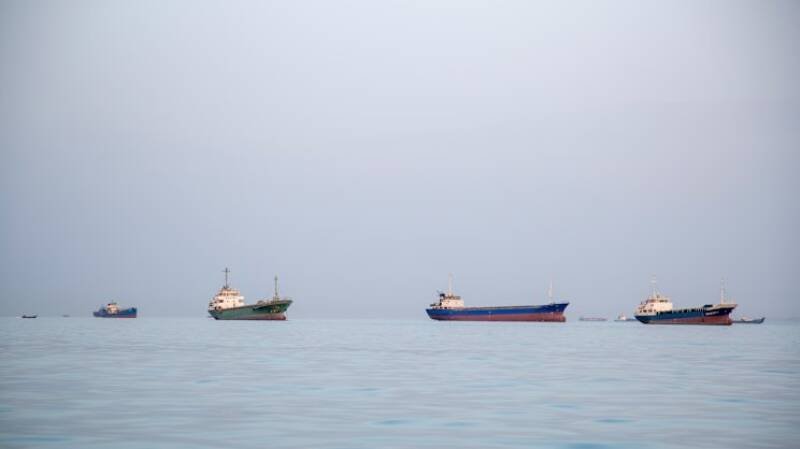



Iran seizes ships in the Strait of Hormuz as nuclear talks remain stalled. Understand the implications for global shipping and the future of diplomacy.
Tensions are rising in the Strait of Hormuz as Iran's paramilitary Revolutionary Guard has seized two ships. This incident occurs against a backdrop of ongoing deadlock in efforts to revive nuclear talks with world powers. The Strait of Hormuz is a vital waterway for global oil supplies, and any disruption there can have far-reaching consequences.
Reports indicate that Iran's Revolutionary Guard intercepted and seized two vessels in the Strait of Hormuz. While specific details about the ships, their flags, and their cargo remain somewhat limited at this time, this type of action by Iran is not unprecedented, particularly when diplomatic relations are strained.
The Strait of Hormuz is one of the most strategically important waterways in the world. A significant percentage of global oil shipments pass through this narrow channel. Disruptions to shipping in the Strait can lead to:
In our opinion, this ship seizure is likely a calculated move by Iran. It could be intended to exert pressure on world powers involved in nuclear negotiations. By disrupting shipping in the Strait of Hormuz, Iran is sending a clear message about its ability to impact global commerce and security.
The timing of this incident, coinciding with stalled nuclear talks, is particularly noteworthy. It suggests that Iran is using maritime security as a bargaining chip to gain leverage in the negotiations. It's a demonstration of power, reminding the world of Iran's strategic importance and its potential to destabilize the region.
This action also raises concerns about maritime security in the region. Other nations with interests in the Strait of Hormuz may increase their naval presence, potentially escalating tensions further. The risk of miscalculation and accidental conflict is also increased.
The future remains uncertain. Several scenarios are possible:
The response of the international community will be crucial. Strong diplomatic efforts, combined with a commitment to maritime security, will be needed to prevent further escalation. In our view, a measured and coordinated response is essential to avoid a crisis. However, this could impact the long-term stability of the region, it is vital to monitor the events and their after-effects.
Keep a close eye on oil prices. Any sign of further disruption in the Strait of Hormuz could trigger a sharp increase, impacting consumers worldwide. Traders will react quickly to any increased risk of supply shortages.
























