Iran Says No Talks with US, Blames US and Israel for Economic Woes
Iran rules out negotiations with the United States, citing a negative past experience. Iranian officials also blame the US and Israel for economic problems faced by ordinary Americans.
Iran Rules Out Talks with US, Cites 'Very Bitter Experience'
Iran has stated it will not hold talks with the United States. A top Iranian official cited a "very bitter experience" as the reason for refusing discussions.
The Strained Relationship
This announcement highlights the continuing tensions between Iran and the United States. The relationship between the two countries has been fraught with challenges for decades, marked by periods of intense hostility and limited communication. This decision to rule out talks underscores the deep-seated mistrust that exists.
Economic Accusations Against the US and Israel
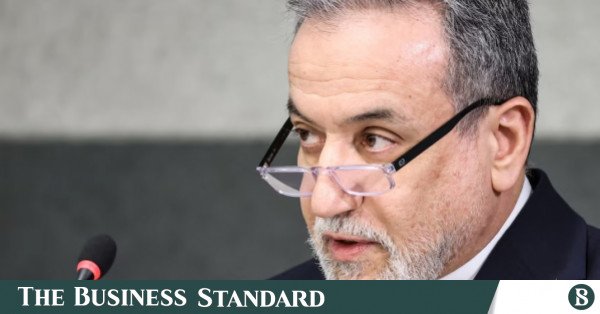
In addition to rejecting talks, Iranian Foreign Minister Abbas Araghchi placed blame on the United States and Israel for economic hardships faced by Americans. These difficulties, according to the Iranian perspective, include high gas prices, expensive mortgages, and declining retirement savings.
Blaming External Forces
The accusation suggests that Iran believes the economic problems experienced by everyday Americans are not simply the result of domestic policy, but rather the consequence of actions taken by the United States and Israel. By making these claims, Iran is attempting to frame these two countries as being responsible for the economic pressures faced by ordinary Americans.
Focusing on Ordinary Americans
Araghchi also said the country does not intend to harm ordinary Americans. This statement may be intended to separate the Iranian government’s issues with the US government and Israel from the Iranian view of the American people. By emphasizing that it does not wish to harm ordinary Americans, Iran could be trying to signal that its disputes are with policies and governments, not with the population at large.
Context of Rising Tensions
This announcement and the accompanying accusations take place within a broader context of regional tensions and international negotiations. The relationship between Iran, the United States, and Israel is a critical factor in regional stability, and any changes in communication or accusations of blame have the potential to significantly influence the geopolitical landscape. Ruling out talks may signal a hardening of positions and a potential escalation of tensions, even if verbal.
Potential Impact
The breakdown in communication also limits the opportunities for diplomatic solutions to ongoing disputes. This heightens the risk of misunderstandings or miscalculations that could further exacerbate tensions. The economic accusations may further inflame public opinion in the United States. They also serve to highlight the existing divides between the two countries, suggesting a difficult path forward for any future reconciliation.
Looking Ahead
With Iran ruling out talks and placing blame on the US and Israel for economic woes, the future of the relationship between these countries remains uncertain. The lack of dialogue poses challenges for resolving existing disputes, and any shift in stance will require significant changes in approach from all parties involved.