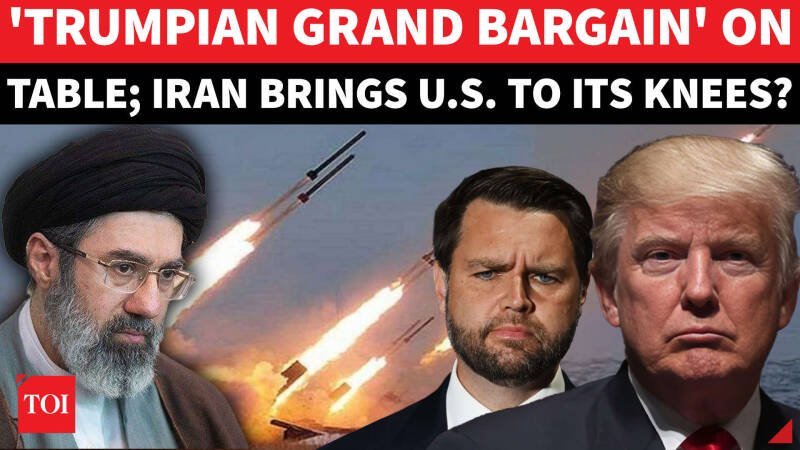
Iran Rejects Ceasefire: What It Means for the Region and Beyond
Iran rejects a ceasefire, demanding a permanent end to conflict as Trump's deadline looms. Our analysis of the situation and its potential impact.
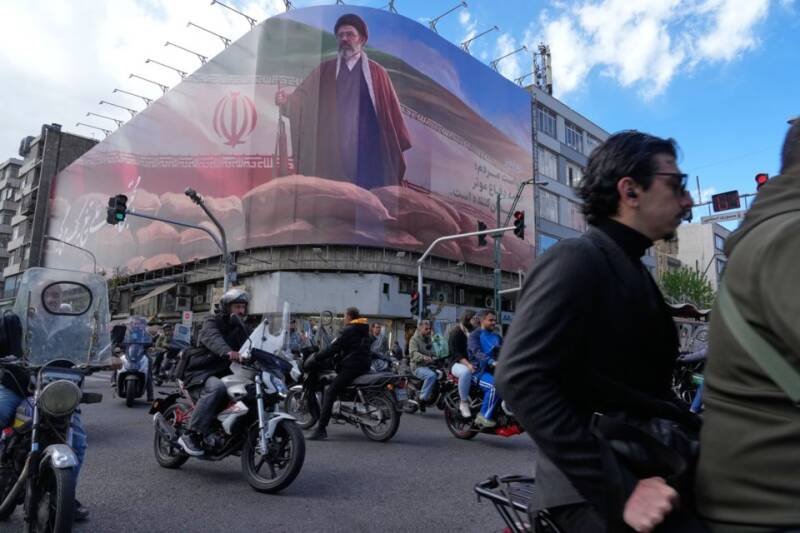



Iran rejects a ceasefire, demanding a permanent end to conflict as Trump's deadline looms. Our analysis of the situation and its potential impact.
Tensions remain high in the Middle East as Iran has rejected the latest ceasefire proposal, stating that it is seeking a permanent end to the ongoing conflict instead. This development comes as the United States, under a previous administration, had set deadlines related to Iran's nuclear program, adding further pressure to the already complex situation.
According to recent reports, Iran has refused to accept the current ceasefire terms that have been presented. Instead, Iranian officials have stated that they want a long-term resolution to the underlying issues that fuel the conflict. This suggests that Iran is looking beyond temporary pauses in hostilities and is focused on addressing the root causes of the regional instability.
This rejection is significant for several reasons. Firstly, it indicates that the current attempts at de-escalation are not meeting Iran's demands. Secondly, it throws into question the effectiveness of international mediation efforts. Finally, and perhaps most importantly, it signals a potential for further escalation in the region. A continued state of conflict could have dire consequences, leading to humanitarian crises, economic instability, and broader geopolitical instability.
In our opinion, Iran's stance is likely influenced by several factors. Firstly, the lingering effects of sanctions imposed by the United States have undoubtedly put pressure on the Iranian economy. Secondly, the upcoming elections in both Iran and the United States could be influencing the negotiating positions. Hardliners in Iran might be less willing to compromise, hoping to maintain a strong stance leading up to the election. Furthermore, Iran may feel emboldened by perceived weaknesses or inconsistencies in US foreign policy in the region.
The demand for a "permanent end to the war" is a broad statement that could encompass a range of conditions. It could include demands for the lifting of sanctions, guarantees of non-interference in regional affairs, or even security assurances from regional and international powers. The ambiguity of the statement makes it difficult to assess the feasibility of reaching a resolution. Understanding the specific demands behind this statement is crucial for any future negotiation attempts.
The future remains uncertain, and several potential scenarios could unfold:
The United States' role in this situation is critical. Any change in US policy could significantly impact the dynamics of the conflict. A more conciliatory approach could create an opening for negotiations, while a more hawkish stance could further escalate tensions. It will also be critical for the US to bring European allies on board with its decisions to help provide maximum negotiating leverage with Iran. Ultimately, the path forward will depend on the willingness of all parties to engage in constructive dialogue and find common ground.
This could impact the global economy and relations between countries. It is important to follow events closely.