Housing Association Neglect: Press Intervention Leads to Repairs
A family's story of 8 months of ignored pleas for mold remediation highlights housing association failures and the power of media intervention. Analysis, implications, and future outlook included.
Housing Association Neglect: Family Forced to Seek Press Intervention for Moldy Home
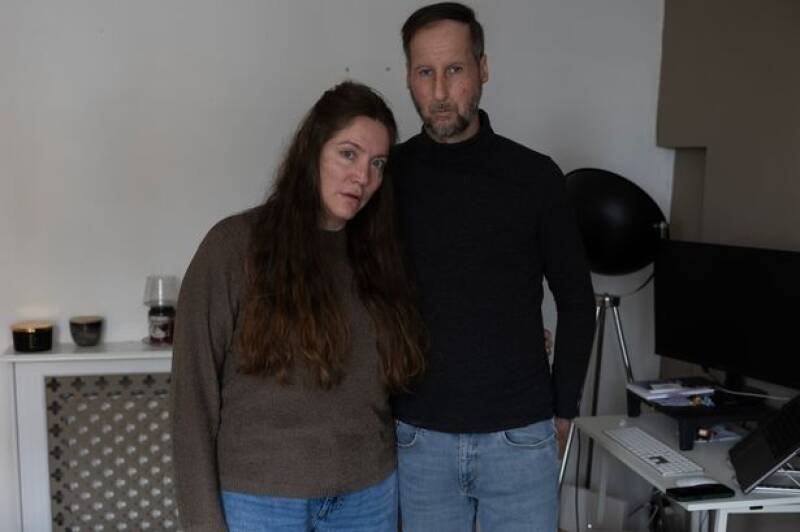
A family in the UK experienced eight months of ignored pleas to their housing association regarding severe mold issues in their flat. After contacting the press, the housing association finally took action to address the problem.
The Story: Months of Neglect
Kelly Butler, the tenant, stated that "no family should have to fight this hard to live in a safe and habitable home." Her statement encapsulates the frustration and desperation felt by countless tenants who are often ignored by their housing providers.
For eight long months, the family reportedly contacted the housing association, pleading for them to address the dangerous mold infestation. Their calls, emails, and letters seemingly fell on deaf ears. Living conditions deteriorated, posing significant health risks, particularly to vulnerable family members.
The Turning Point: Media Intervention
Exhausting all other avenues, the family decided to contact the press. This decision proved to be the catalyst for change. Once the media became involved, the housing association swiftly responded, initiating repairs to remediate the mold.
Why This News Matters
This story highlights several critical issues within the housing sector:
- Ineffective Complaint Processes: The housing association's failure to respond to the family's concerns for eight months demonstrates a significant breakdown in their complaint handling process.
- Health and Safety Negligence: Mold infestations are a serious health hazard, particularly for children, the elderly, and individuals with respiratory problems. The association's inaction put the family's health at risk.
- Power of Media Advocacy: This case underscores the important role the media plays in holding institutions accountable. Without press intervention, the family might still be living in unsafe conditions.
- Tenant Rights Awareness: Many tenants are unaware of their rights and the avenues available to them when their housing providers fail to meet their obligations.
Our Analysis
This situation reflects a systemic problem where some housing associations prioritize cost-cutting over tenant welfare. In our opinion, the association's delayed response is unacceptable and raises serious questions about their commitment to providing safe and habitable housing. The fact that it took media intervention to prompt action suggests a reactive, rather than proactive, approach to property maintenance and tenant concerns.
This could impact trust in housing associations as a whole. Stories like these erode public confidence and create a perception of neglect and indifference. Furthermore, it highlights the power imbalance between tenants and large housing providers, where individual voices are often drowned out.
Future Outlook
Moving forward, several changes are needed to prevent similar situations from occurring:
- Improved Complaint Handling: Housing associations need to implement more efficient and responsive complaint handling processes with clear timelines and accountability measures.
- Proactive Property Maintenance: Regular inspections and preventative maintenance can help identify and address potential problems before they escalate into serious health hazards.
- Increased Tenant Rights Awareness: Educational campaigns can empower tenants to understand their rights and advocate for themselves effectively.
- Stronger Regulatory Oversight: Regulators need to hold housing associations accountable for their performance and enforce compliance with health and safety standards.
In our opinion, this case should serve as a wake-up call for the housing sector. It's crucial to remember that housing is a fundamental human right, and housing associations have a moral and legal obligation to provide safe, habitable, and well-maintained homes for their tenants.
Ultimately, a more transparent and accountable system is needed to ensure that all tenants are treated with dignity and respect and that their voices are heard.