Highlands and Islands Politics: David Stewart's Advice and Future Outlook
Former MSP David Stewart offers advice to new Highland and Islands representatives in Holyrood. Understand the key issues and the future of politics in the region.
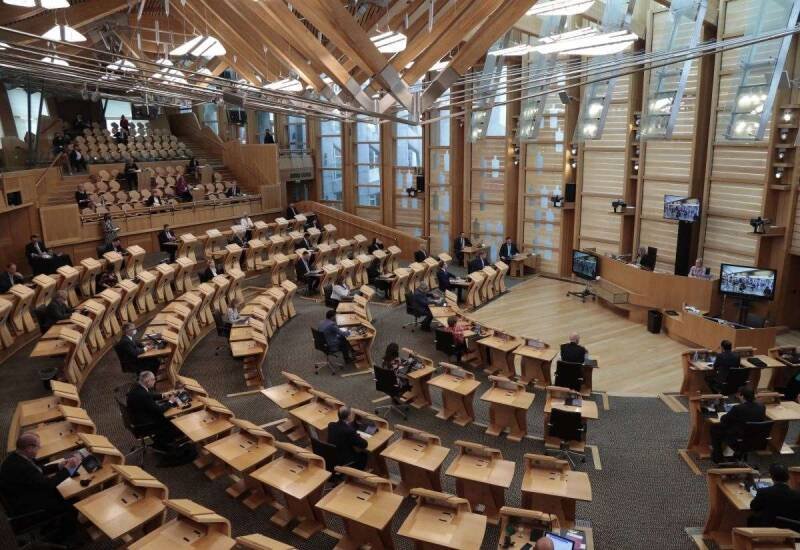



Former MSP David Stewart offers advice to new Highland and Islands representatives in Holyrood. Understand the key issues and the future of politics in the region.
As new Members of the Scottish Parliament (MSPs) prepare to head to Holyrood next month, former MSP David Stewart has offered some crucial advice: prioritize the needs of all constituents in the Highlands and Islands, regardless of their political affiliation. This call for unity and regional focus highlights the unique challenges and opportunities facing this vast and diverse part of Scotland.
The Highlands and Islands region faces distinct issues compared to more densely populated areas of Scotland. These challenges range from infrastructure limitations and rural depopulation to supporting key industries like tourism, fishing, and agriculture. Stewart's advice underscores the necessity for MSPs to champion these regional concerns effectively.
He emphasizes that representing a rural constituency demands a deep understanding of local communities, their concerns, and their aspirations. It is imperative that MSPs remain accessible, actively listen to their constituents, and advocate for their needs within the Scottish Parliament.
This advice is significant because it addresses the often-overlooked needs of rural communities in national politics. The Highlands and Islands region, with its scattered populations and unique economic drivers, requires dedicated representation that transcends partisan divides. By urging MSPs to prioritize the entire region, Stewart highlights the importance of inclusive governance and equitable resource allocation.
Furthermore, his message serves as a reminder that elected officials have a responsibility to represent all constituents, not just those who voted for them. This principle is particularly important in regions with diverse political viewpoints and historical voting patterns. Focusing on shared regional goals can foster greater unity and progress for the Highlands and Islands.
In our opinion, David Stewart's advice is both timely and crucial. The challenges faced by the Highlands and Islands are complex and require collaborative solutions. His emphasis on prioritizing the region as a whole, regardless of political leanings, is a sensible approach to ensure that these unique issues are addressed effectively.
This advice could impact how newly elected MSPs approach their roles. It sets a precedent for prioritizing regional needs over party politics, which could lead to more effective advocacy for the Highlands and Islands within the Scottish Parliament. This, in turn, could result in increased investment, improved infrastructure, and stronger support for local communities.
The success of this approach hinges on the willingness of newly elected MSPs to heed Stewart's advice and collaborate across party lines. The future of the Highlands and Islands depends on strong, united representation that prioritizes the needs of all constituents. The upcoming parliamentary term will be a crucial test of whether this regional focus can translate into tangible benefits for the region.
This could impact the long-term development and prosperity of the Highlands and Islands. By adopting a more inclusive and collaborative approach, MSPs have the opportunity to strengthen local communities, support key industries, and ensure that the region's unique voice is heard in Holyrood. The challenge now is to turn these aspirations into concrete action.
Ultimately, the future of the Highlands and Islands depends on the dedication and collaboration of its elected representatives. By prioritizing regional needs and working together across party lines, MSPs can ensure a brighter future for this unique and vital part of Scotland.