High Gas Prices: Understanding the Factors, Impact, and Future Outlook
Why are gas prices so high? Explore the historical context, current contributing factors, and future outlook for gas prices in this in-depth analysis.
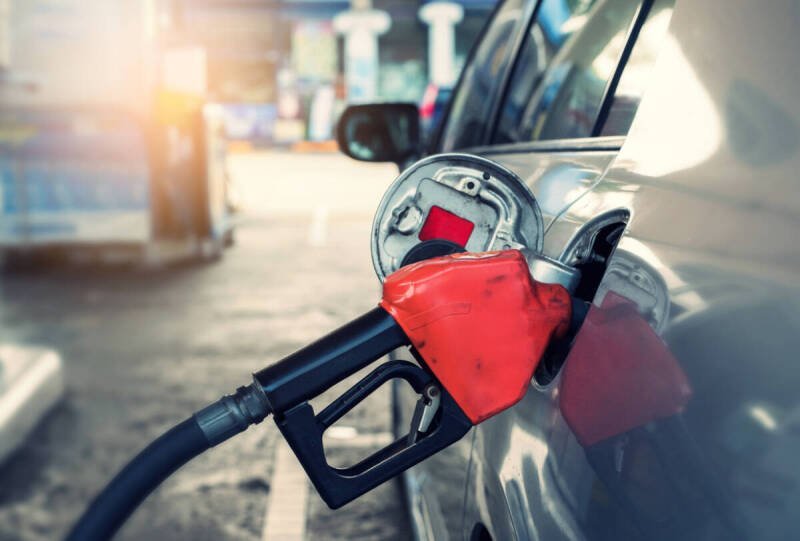



Why are gas prices so high? Explore the historical context, current contributing factors, and future outlook for gas prices in this in-depth analysis.
Gas prices have been a major pain point for consumers lately. From daily commutes to weekend road trips, filling up the tank has become a significant expense. But why are gas prices so high? Let's break down the factors contributing to this surge and what we can expect in the future.
To understand the current situation, it's helpful to take a brief glimpse at history. Gas prices have always been subject to fluctuations, influenced by factors like:
Several factors are contributing to the current high gas prices. While the historical precedents are important to understand, some key drivers that have changed the landscape include:
High gas prices affect everyone. They disproportionately impact low-income households, who spend a larger percentage of their income on transportation. Rising gas prices can also contribute to overall inflation, as businesses pass on their increased transportation costs to consumers. Furthermore, high energy costs can slow down economic growth and even trigger recessionary fears.
In our opinion, the combination of geopolitical instability, supply chain issues, and rising demand has created a perfect storm for high gas prices. While some factors, like increased demand due to economic recovery, are positive indicators, the ongoing war in Ukraine and persistent supply chain problems are likely to keep prices elevated in the near term. The influence of OPEC, combined with decisions made by US energy policy, add additional complexity to predicting price movements.
This could impact the average driver. With increased prices, households might need to reconsider travel plans. Spending less on leisure and non-essential goods may also need to be considered, as more income is devoted to fueling needs. This will likely add to the conversations surrounding alternative transportation options such as electric vehicles.
Predicting future gas prices is notoriously difficult, but here are some potential scenarios:
Ultimately, the future of gas prices will depend on a complex interplay of global events, economic conditions, and policy decisions. Consumers should be prepared for continued volatility and consider ways to mitigate the impact of high gas prices, such as carpooling, using public transportation, or investing in more fuel-efficient vehicles.
























