Healthcare Costs in America: A Looming Crisis and its Impact
Rising healthcare costs are forcing Americans to make difficult choices between basic needs and medical care. Learn about the causes, impact, and potential solutions.
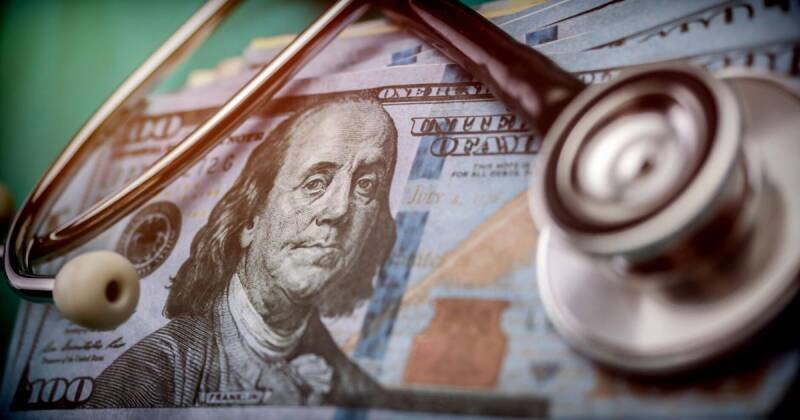



Rising healthcare costs are forcing Americans to make difficult choices between basic needs and medical care. Learn about the causes, impact, and potential solutions.
A recent report highlighted a disturbing trend: Americans are increasingly forced to make agonizing choices between their health and basic necessities. As health insurance premiums surge and government subsidies dwindle, families are skipping meals, foregoing coverage, and racking up debt just to afford medical care. This paints a grim picture of the healthcare landscape in the United States.
The problem isn't just about insurance premiums. It's a multifaceted issue involving prescription drug prices, hospital charges, and the overall cost of delivering medical services. Many Americans find themselves underinsured, meaning they have coverage but face high deductibles and copays, making it difficult to access care even when they are technically "insured."
Imagine having to choose between putting food on the table and seeing a doctor. This is the stark reality for many families. When faced with unaffordable healthcare costs, people are forced to cut back on essential expenses like groceries. Others are gambling with their health by dropping insurance coverage altogether, hoping they won't get sick or injured.
This news matters because it exposes a fundamental flaw in the US healthcare system: it is becoming increasingly inaccessible and unaffordable for a large portion of the population. This not only impacts individual health outcomes but also has broader economic and social consequences. A healthy workforce is a productive workforce, and when people are burdened with medical debt or are afraid to seek care, it affects the entire economy.
In our opinion, the current trajectory is unsustainable. The market-based approach to healthcare, while intended to promote competition and efficiency, has arguably led to a system that prioritizes profits over patient well-being. Pharmaceutical companies, insurance providers, and hospital systems often operate with little transparency, making it difficult to control costs. Government regulation and intervention may be necessary to address these systemic issues.
It's also crucial to consider the social determinants of health. Factors like poverty, education, and access to healthy food significantly impact health outcomes. Addressing these underlying issues can help reduce the demand for expensive medical care in the long run.
Many people are technically insured, but they are "underinsured," meaning their insurance plans have high deductibles, copays, or coinsurance. This can leave patients facing hefty out-of-pocket costs, even after paying monthly premiums. Underinsurance can be just as detrimental as being uninsured, as it discourages people from seeking preventative care or following through with necessary treatments.
The future of healthcare affordability in the US remains uncertain. Several potential solutions are being debated, including:
This could impact the upcoming elections as healthcare affordability is a major concern for voters across the political spectrum. Candidates who offer viable solutions to this problem are likely to gain significant support.
The rising cost of healthcare is a serious crisis that demands immediate attention. Without meaningful reforms, more Americans will be forced to make impossible choices between their health and their livelihoods. A healthy society requires a healthcare system that is accessible and affordable for all.