Havana University Students Protest Energy Crisis Impact on Classes
Students at Havana University stage a sit-in protest due to Cuba's energy crisis, disrupting classes and impacting their education.
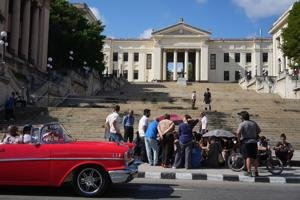



Students at Havana University stage a sit-in protest due to Cuba's energy crisis, disrupting classes and impacting their education.
A small group of students at Havana University staged a sit-in protest on Monday, demonstrating their concerns about the impact of Cuba's ongoing energy crisis on their education. The impromptu protest took place on the steps of the university.
The students are protesting the reduction in classes caused by the energy crisis. The shortage of energy resources has led to disruptions in the normal academic schedule. Students fear that this will negatively affect the quality of their education and their future prospects. The energy crisis has impacted nearly every aspect of Cuban society, and education is no exception.
The energy crisis in Cuba has been worsened by the U.S. oil blockade. The blockade makes it difficult for Cuba to import the necessary fuel to meet its energy demands. This situation creates significant challenges for the country's infrastructure and its ability to provide essential services, including education. The U.S. oil blockade has been a long-standing policy that affects the supply of resources to the island nation.
The sit-in at Havana University is a direct response to the consequences of the energy shortage. Students chose to protest at the steps of the university, using a sit-in as a visible form of expressing their concern. This form of protest aims to bring attention to the issues and urge authorities to address the situation. While only a small group of students were mentioned to have participated, the protest reflects a broader concern that many students hold about the future of education in Cuba.
Cuba has been facing various economic and political challenges for decades. The energy crisis is one of many difficulties the country confronts, impacting citizens' daily lives. The effects of the energy crisis are widespread, including impacts to transportation, industry, and access to basic services. The protest at Havana University illustrates the struggle for students to access education during these trying times.
The reduction in class time can have many negative implications for students. Less time in the classroom can result in less understanding of subject material and can potentially lower academic performance. Students may also feel less prepared for future career opportunities if their education is compromised. The reduced amount of teaching could place additional stress and burden on teachers to cover materials with less time. Therefore, it becomes important to the student body that concerns are heard regarding the situation.