Landlord Asks Tenants to Replace Oven After Move-Out: Fair Wear and Tear?
A couple faces a hefty bill after their landlord demands they replace the oven following their apartment move-out. Was it normal wear and tear or damage?



A couple faces a hefty bill after their landlord demands they replace the oven following their apartment move-out. Was it normal wear and tear or damage?
A couple recently moved out of their apartment and were surprised by a request from their landlord. The landlord wants them to pay to replace the oven in the unit.
The landlord's request has raised questions about what constitutes normal wear and tear versus actual damage for which tenants are responsible. When a tenant moves out, landlords often inspect the property to assess its condition and determine if any repairs or replacements are needed.
Normal wear and tear refers to the expected deterioration of a property due to everyday use. This includes minor issues like faded paint, worn carpets, or slightly scratched appliances. Landlords are generally responsible for covering the costs of normal wear and tear, as it's considered part of doing business as a rental property owner.
Damage, on the other hand, refers to harm caused by negligence, carelessness, or intentional misuse by the tenant or their guests. Examples include broken windows, large holes in walls, or severely damaged appliances. Tenants are typically held responsible for covering the costs of repairing or replacing such damages.
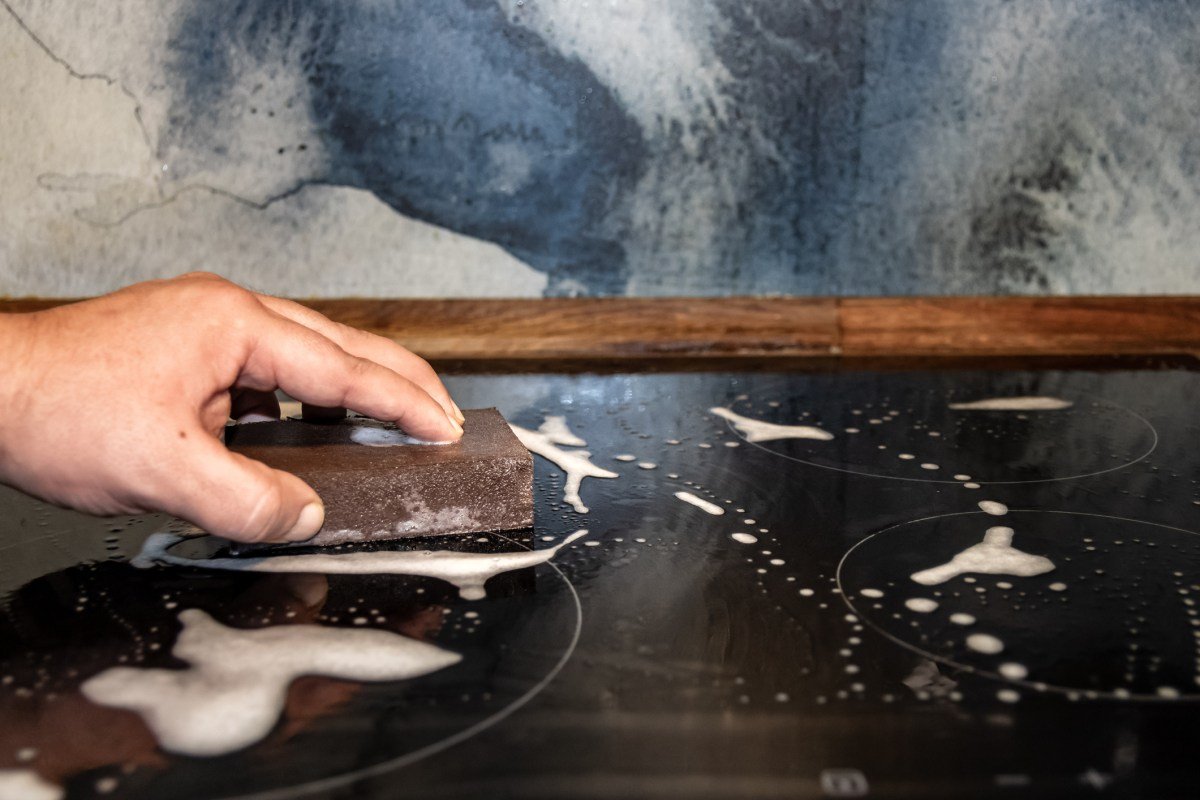
In this specific case, the couple is disputing the landlord's claim that they should pay for a brand new oven. The renters believe that the oven's condition is simply the result of years of normal use and does not warrant a complete replacement. They are questioning whether the cost of the replacement is justified, given the circumstances.
Disagreements over wear and tear versus damage are common between landlords and tenants. These disputes can lead to legal battles, especially when significant sums of money are involved. It's crucial for both landlords and tenants to have a clear understanding of their rights and responsibilities, as outlined in the lease agreement and local laws.
To minimize the risk of disputes, landlords and tenants should conduct a thorough move-in and move-out inspection together, documenting the condition of the property with photos or videos. It's important to discuss any existing damage or concerns upfront and include them in the lease agreement. Regularly communicating about maintenance issues during the tenancy can also help prevent misunderstandings and costly surprises at the end of the lease term.
This situation highlights the importance of documenting the condition of appliances and other property features upon move-in. It also demonstrates that a landlord cannot demand replacement charges that simply cover normal wear and tear, potentially saving tenants from "ridiculous" and unfair financial burdens.