Harka's Shram Sanskriti Party Achieves National Party Status in Nepal
Harka Sampang's Shram Sanskriti Party gains enough votes in Nepal's recent elections to qualify as a national party. Learn about the implications of this milestone.
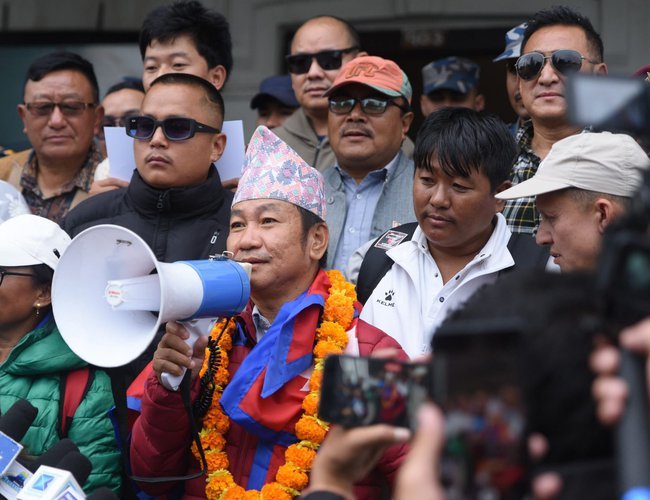



Harka Sampang's Shram Sanskriti Party gains enough votes in Nepal's recent elections to qualify as a national party. Learn about the implications of this milestone.
Harka Sampang's Shram Sanskriti Party has achieved a significant milestone in Nepalese politics. The party has secured enough votes in recent elections to be recognized as a national party.
In Nepal, a political party needs to meet specific criteria to be recognized as a national party. This recognition often relates to the percentage of votes received in nationwide elections.
Crossing this threshold grants the party certain privileges and a more prominent role in the country's political landscape. It also usually means a larger share of public funding, media access, and a greater ability to influence policy.
The Shram Sanskriti Party's achievement is noteworthy because it signals a potential shift in Nepal's political dynamics. The Nepalese political arena has long been dominated by a few established parties. A new party achieving national status indicates that voters are open to alternative political voices and platforms.
This development suggests that the party's message has resonated with a significant portion of the electorate, potentially paving the way for a more diverse and representative political system.
The Shram Sanskriti Party's new status could have several impacts on the future of Nepalese politics:
The party's success reflects a growing demand for new approaches to governance and development in Nepal. The Shram Sanskriti Party is seen by some as addressing the shortcomings of existing political establishments.
The Shram Sanskriti Party now faces the challenge of consolidating its gains and demonstrating its ability to govern effectively. The coming months and years will be crucial in determining whether the party can sustain its momentum and become a long-term force in Nepalese politics.
This achievement demonstrates the evolving nature of Nepal's political system and indicates a growing desire among voters for change and fresh perspectives. It remains to be seen how this will reshape the political dynamics and contribute to the future of Nepal.