Hamilton Man Claims Blackout in Fatal Crash: What It Means
A Hamilton man claims he blacked out before a fatal car crash, despite doctor's warning. We break down the news, analyze the implications, and discuss the future outlook.
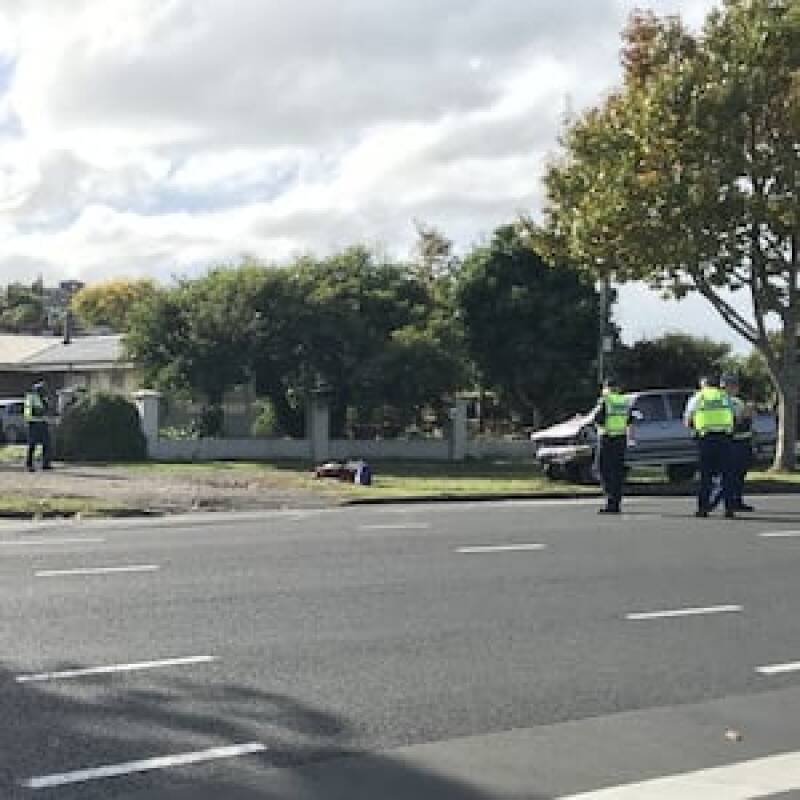



A Hamilton man claims he blacked out before a fatal car crash, despite doctor's warning. We break down the news, analyze the implications, and discuss the future outlook.
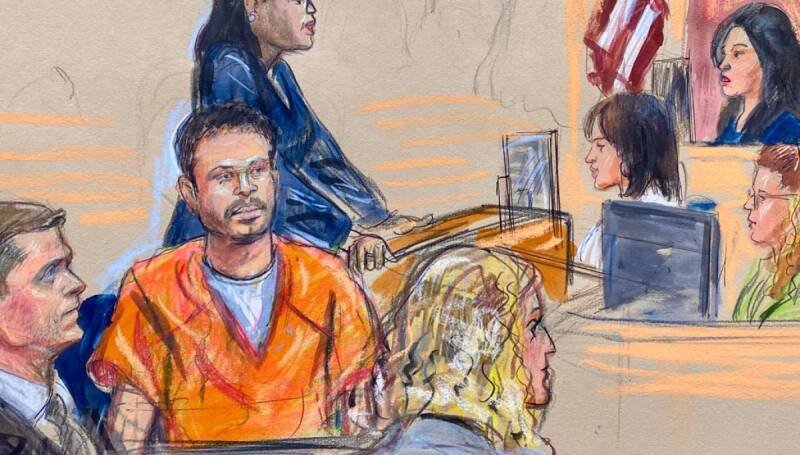
A 27-year-old man from Hamilton is facing serious charges after a fatal car crash. The man has claimed he blacked out behind the wheel before the accident, a defense that raises complex questions about responsibility and accountability.
According to reports, the crash involved at least one fatality. Details surrounding the specific circumstances are still emerging. However, what makes this case particularly noteworthy is the man’s claim that he experienced a blackout, which would have rendered him unconscious and unable to control the vehicle.
Adding another layer to this already complex situation is the fact that the man had been advised by a doctor, five months prior to the crash, not to drive. This raises serious questions about why he was behind the wheel in the first place.
This case highlights several crucial issues related to road safety and personal responsibility. First, it brings to the forefront the importance of adhering to medical advice, especially when it comes to conditions that could impair driving ability. Ignoring such warnings can have devastating consequences.
Second, it sparks a debate about the legal and ethical implications of claiming a medical episode as a defense in a vehicular manslaughter case. How do we balance personal circumstances with the need for justice and accountability? This case will likely set a precedent and influence future legal proceedings.
Finally, it underscores the need for greater awareness and education surrounding medical conditions that can affect driving. Many people may be unaware of the risks associated with driving while experiencing certain medical episodes.
In our opinion, the claim of a blackout, while potentially valid, doesn't automatically absolve the driver of all responsibility. The fact that he was previously warned against driving by a doctor significantly complicates matters. It suggests a conscious disregard for potential risks to himself and others.
The legal proceedings will likely focus on determining the veracity of the blackout claim, the man’s awareness of his medical condition, and whether he took reasonable steps to mitigate the risk of such an episode occurring while driving. Evidence will be presented to determine if the blackout was truly unavoidable or a result of pre-existing conditions or negligence.
This case also raises the question of whether medical professionals have a responsibility to report patients they deem unfit to drive to the relevant authorities. Balancing patient confidentiality with public safety is a delicate issue, but one that deserves serious consideration.
The outcome of this case could have a significant impact on how similar incidents are handled in the future. If the driver is found guilty, it could send a strong message that individuals who disregard medical advice and drive regardless will be held accountable for the consequences.
If, on the other hand, the blackout is deemed unavoidable and the driver is acquitted of manslaughter charges, it could lead to increased scrutiny of regulations surrounding medical fitness to drive. It could also prompt calls for more comprehensive driver education programs that emphasize the importance of reporting medical conditions and adhering to medical advice.
This could impact insurance policies, requiring more detailed medical disclosures. It is possible that doctors may have an obligation to inform the DMV directly if a patient refuses to stop driving when advised to do so.
Ultimately, this tragic incident serves as a stark reminder of the importance of prioritizing safety on the road. Whether it's adhering to medical advice, avoiding distractions, or driving sober, every driver has a responsibility to protect themselves and others from harm.