Frost Advisory for Forsyth and Guilford Counties: What You Need to Know
A frost advisory is in effect for Forsyth and Guilford counties. Learn how to protect your plants and understand the potential impact.



A frost advisory is in effect for Forsyth and Guilford counties. Learn how to protect your plants and understand the potential impact.
Residents of Forsyth and Guilford counties in North Carolina should prepare for a possible frost early Thursday morning. The National Weather Service is predicting overnight lows to dip to around 36 degrees Fahrenheit in Winston-Salem and Greensboro. However, some areas, particularly rural or low-lying spots, could see temperatures drop to the freezing mark of 32 degrees. This freezing window is expected to occur between 2:00 AM and 9:00 AM.
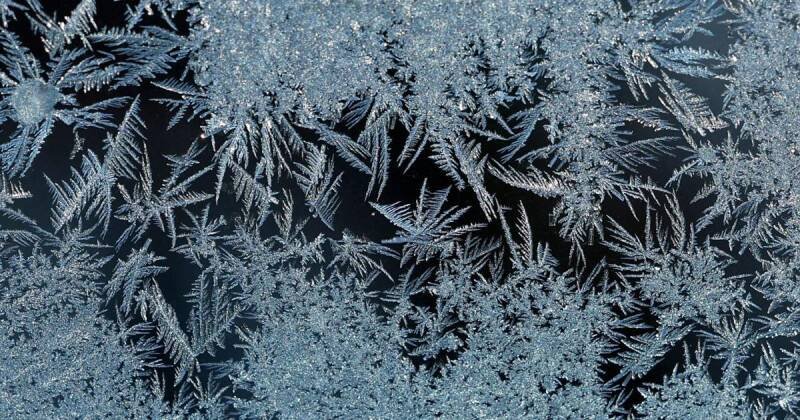
A frost advisory means that conditions are favorable for the formation of frost. Frost forms when the air temperature near the ground falls below freezing, causing water vapor in the air to condense and freeze on surfaces like plants, grass, and cars.
This frost advisory is significant for several reasons:
The forecast for Forsyth and Guilford counties highlights the delicate balance between spring warmth and lingering winter chill. In our opinion, it's a reminder that even as we move further into spring, unexpected cold snaps can still occur. The specific timeframe of 2:00 AM to 9:00 AM is crucial because that's when temperatures are most likely to be at their lowest. The varying temperatures across the two counties also indicate that certain areas may experience more severe frost than others. This could impact gardeners and farmers differently depending on their location.
It's important to note that this is just a forecast, and actual temperatures can vary. Factors like cloud cover and wind can influence how cold it actually gets. Therefore, it's always best to err on the side of caution and take preventative measures.
Here are some steps you can take to protect your plants from frost damage:
The long-term forecast suggests a gradual warming trend, but it's always wise to stay informed about potential weather hazards. It's possible that we could see more frost advisories in the coming weeks, especially during clear, calm nights. Monitoring weather forecasts from reliable sources like the National Weather Service is essential.
This situation underscores the importance of climate preparedness. While a single frost event isn't necessarily indicative of long-term climate trends, it does highlight the vulnerability of agriculture and horticulture to unexpected weather events. In our opinion, continued research and development of frost-resistant plant varieties and improved forecasting techniques are crucial for mitigating the potential impact of these events.
























