Fort Myers Killing Case: Trump Post, National Attention, and What It Means
A Fort Myers killing case gains national spotlight after a Trump post. We break down the facts, the implications, and the future outlook for justice and political discourse.



A Fort Myers killing case gains national spotlight after a Trump post. We break down the facts, the implications, and the future outlook for justice and political discourse.
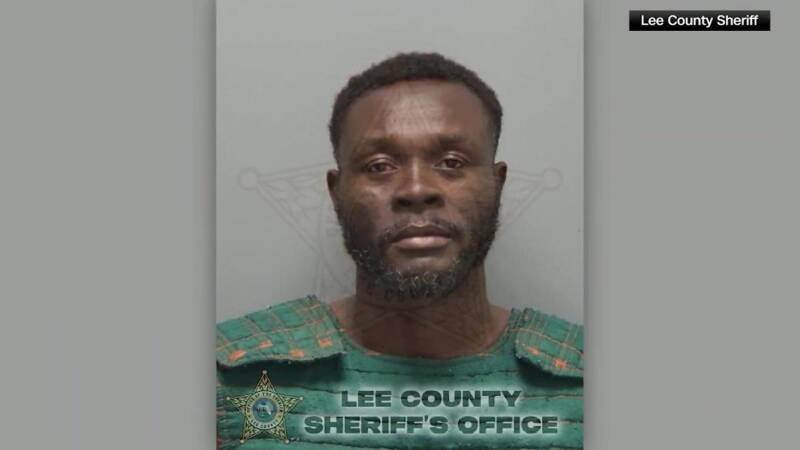
A tragic killing that occurred outside a Fort Myers, Florida gas station has thrust itself into the national spotlight, not just due to the crime itself, but because of a social media post by former President Donald Trump. The situation has ignited a firestorm of debate regarding the appropriateness of sharing graphic content and the potential impact on the ongoing legal proceedings.
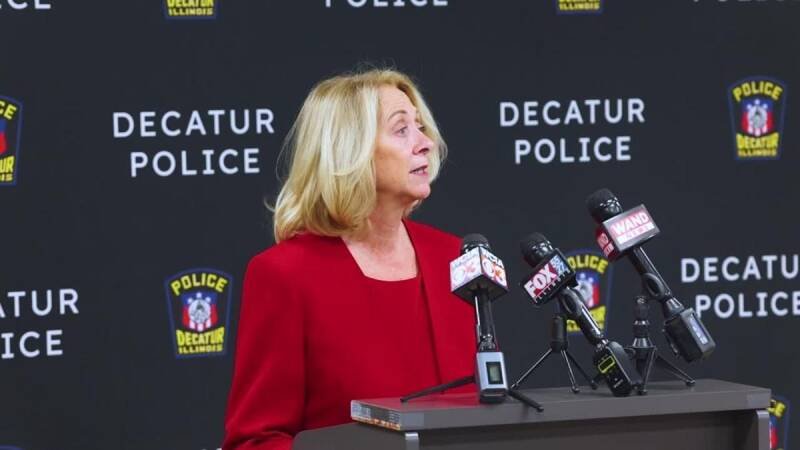
Details surrounding the specific circumstances of the killing are still emerging. Early reports indicate the incident involved a confrontation leading to a fatality near a gas station in Fort Myers. While the local police have been investigating, the involvement of a high-profile figure like Trump has significantly amplified the attention on the case, both locally and nationally.
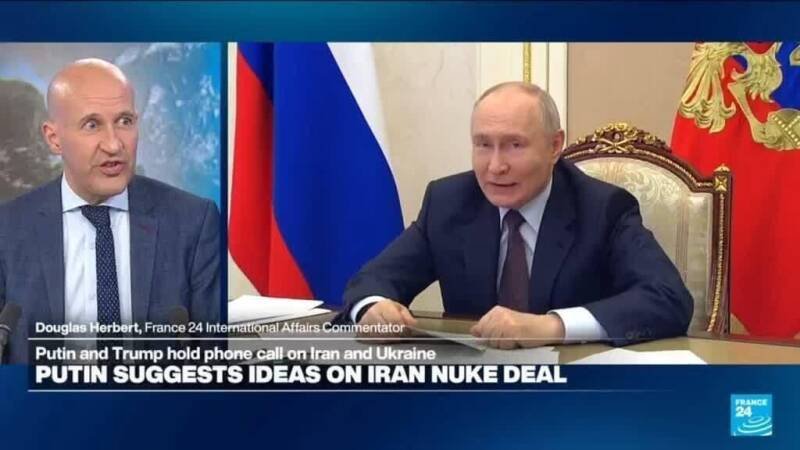
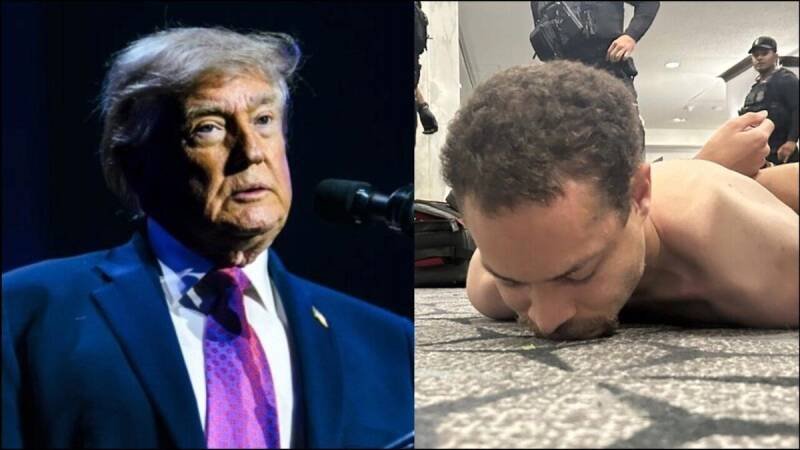
The controversy stems from a post shared by Donald Trump that contained graphic video footage reportedly related to the killing. Sharing this type of content has raised serious ethical and legal concerns.
This case highlights the powerful influence social media has on shaping public perception of criminal justice. When figures like a former U.S. president share potentially inflammatory content related to an ongoing investigation, it can have far-reaching consequences. It can potentially influence jurors, create prejudice, and even incite public unrest. The very act of sharing these videos risks jeopardizing a fair trial.
Furthermore, this incident underscores the broader issue of misinformation and the spread of unverified content online. The ease with which graphic videos can be disseminated raises serious questions about the responsibility of social media platforms and the users who share such content.
In our opinion, Trump's decision to share this graphic video was highly irresponsible. Regardless of the motivations behind the post, it had the potential to prejudice the jury pool and make it more difficult for the accused to receive a fair trial. It could also contribute to further polarization within the community.
It's also crucial to consider the impact on the victim's family. The sudden resurgence of the tragedy in the national media, alongside graphic content, will undoubtedly retraumatize them, compounding their grief and pain. The sharing of such content lacks empathy and respect for the family involved.
The widespread availability of graphic content online presents an ethical challenge for both content creators and consumers. Balancing the public's right to information with the need to protect individual privacy and the integrity of legal proceedings is a difficult task.
Moving forward, it's crucial that the legal process is allowed to unfold without undue interference. Law enforcement should thoroughly investigate the crime, and the courts must ensure that a fair trial takes place, free from external influence.
This case should serve as a reminder for social media platforms to strengthen their content moderation policies and for users to exercise caution and critical thinking before sharing potentially harmful content. Social media companies need to have a clear policy on potentially damaging posts, especially related to ongoing criminal trials.
This incident could impact the future of responsible reporting and influence legal outcomes.