FMCG Giants Embrace Ayurveda: A New Era of Growth in India?
Major FMCG companies are acquiring Ayurveda startups in India to tap into the growing market for natural and healthy products. Learn about the reasons behind this trend, its potential impact, and the future outlook for the Ayurveda sector.
FMCG Giants Embrace Ayurveda: A New Era of Growth in India?
The world of fast-moving consumer goods (FMCG) in India is witnessing a fascinating trend: major players are increasingly acquiring Ayurveda startups. This move signals a strategic shift towards tapping into the growing demand for natural and healthy products, particularly in a market that has been experiencing a period of slower growth.
Ayurveda's Rising Popularity
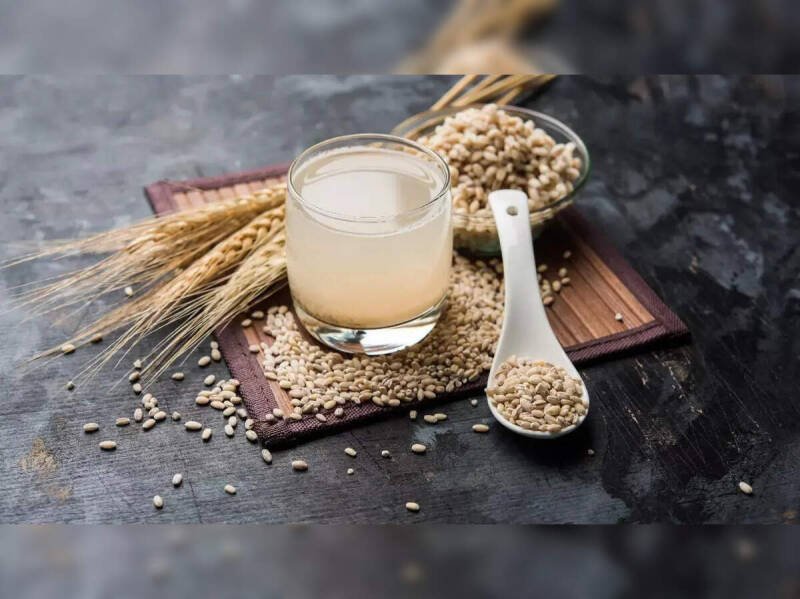
Ayurveda, the ancient Indian system of medicine, is enjoying a resurgence in popularity. Consumers are becoming more conscious of the ingredients in their products and are actively seeking natural and holistic alternatives. This increased awareness is driving significant growth in the Ayurveda market, making it an attractive target for established FMCG companies.
Funding Trends in Ayurveda Startups
Data from Tracxn reveals that funding in direct-to-consumer (D2C) Ayurveda firms saw a slight increase from $51.4 million in 2024 to $54.3 million in 2025. While the number of funding rounds decreased from 28 to 22, the larger deal sizes suggest a more focused and strategic investment approach. This indicates that investors are increasingly confident in the long-term potential of select Ayurveda brands.
Why This News Matters
This trend has significant implications for the Indian economy and the healthcare landscape. It signifies a growing acceptance of traditional medicine within the mainstream market. It also creates opportunities for smaller Ayurveda businesses to scale up and reach a wider audience with the backing of established FMCG giants.
The FMCG sector, historically focused on mass-produced goods, is adapting to evolving consumer preferences. By incorporating Ayurveda into their product portfolios, these companies are demonstrating their commitment to innovation and responding to the demand for healthier, more natural options.
Our Analysis
In our opinion, this trend is a win-win for both FMCG companies and Ayurveda startups. FMCG firms gain access to a rapidly growing market segment and a brand image boost by associating with natural and wellness products. Ayurveda startups, on the other hand, benefit from the established distribution networks, marketing expertise, and financial resources of larger corporations. This could impact the competitive landscape, potentially leading to the consolidation of smaller players under larger umbrellas.
We believe that this strategic move is driven by several factors:
- Changing Consumer Preferences: Consumers are increasingly prioritizing health and wellness, driving demand for natural and Ayurveda-based products.
- Growth Potential: The Ayurveda market offers significant growth opportunities compared to saturated FMCG categories.
- Brand Differentiation: Acquiring Ayurveda brands allows FMCG companies to differentiate themselves from competitors and attract a new customer base.
Future Outlook
The future of the Ayurveda sector in India looks promising. We expect to see more acquisitions and partnerships between FMCG companies and Ayurveda startups in the coming years. This could lead to increased innovation in product development, more effective marketing strategies, and wider availability of Ayurveda products across the country.
However, challenges remain. Maintaining the authenticity and quality of Ayurveda products while scaling up production will be crucial. Regulatory frameworks will also need to evolve to support the growth of the sector while ensuring consumer safety and preventing misleading claims. Furthermore, the industry needs to tackle the issue of standardization to ensure consumers get consistent and reliable results.
We also anticipate that this trend will not be limited to India. As global interest in natural and traditional medicine grows, we could see similar developments in other markets around the world. This movement underscores the lasting power of ancient wellness practices in the modern world.